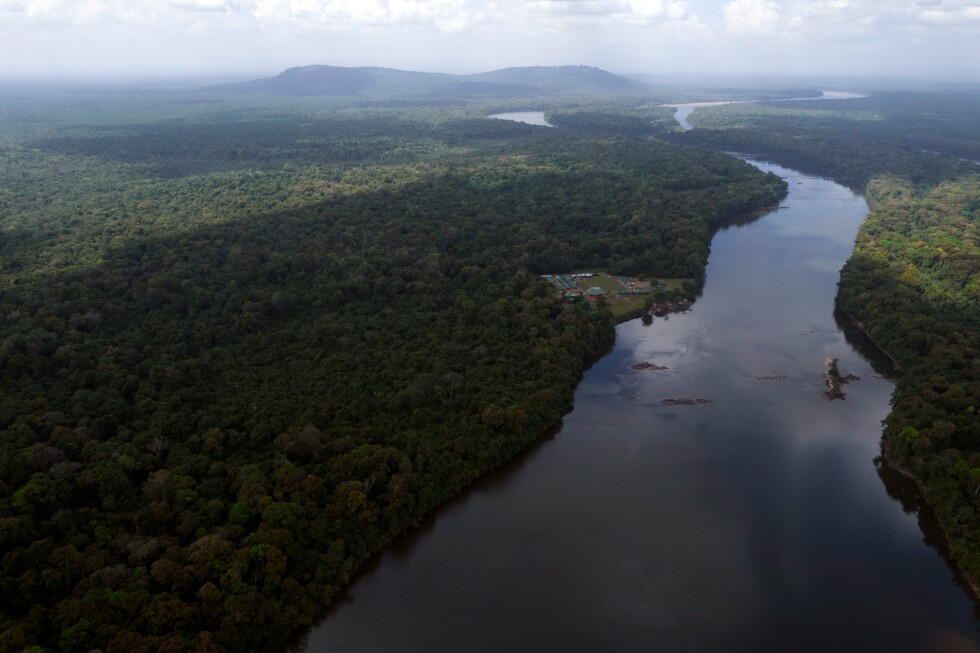
A high-stakes territorial conflict between Guyana and Venezuela is currently unfolding at the International Court of Justice (ICJ), where 70% of Guyana’s territory is being contested. This contentious dispute centers around the resource-rich Essequibo region, which both nations claim ownership of, with hearings taking place this week in The Hague.
The Essequibo region, a vast expanse replete with gold, diamonds, and timber, also lies in close proximity to significant offshore oil reserves. Guyana’s Foreign Minister, Hugh Hilton Todd, emphasized to the ICJ judges that this dispute has been a persistent issue since the nation’s independence, describing it as “a blight on our existence as a sovereign state from the very beginning.”
The roots of this conflict date back to an 1899 arbitration by Britain, Russia, and the United States, which largely favored Guyana in demarcating the border along the Essequibo River. Venezuela, then represented by the U.S. due to its severed diplomatic ties with Britain, argues that the arbitration was a conspiracy against them. They maintain that a 1966 agreement effectively invalidates the 19th-century decision.
In 2018, after numerous failed mediation attempts, Guyana sought the ICJ’s affirmation of the 1899 border ruling. Pierre d’Argent, part of Guyana’s legal team, critiqued Venezuela’s claims as “lengthy, pointlessly controversial and confusing,” asserting they have been previously dismissed by the court.
The ICJ has previously addressed the case’s jurisdiction, with Venezuela challenging the court’s authority by citing the absence of the United Kingdom as a party. However, in 2020, the ICJ confirmed it had jurisdiction, allowing proceedings to continue.
As the hearings progress, Venezuela has been ordered to refrain from organizing elections for officials to govern the disputed territory until 2025. Meanwhile, Venezuela’s acting President, Delcy Rodríguez, has been visibly supporting the claim by wearing a pin in the shape of the Essequibo region during international engagements, a symbol increasingly adopted by Venezuelan officials and media since the U.S. apprehension of Nicolás Maduro.
The hearings are set to continue with Venezuela presenting its opening statements. For further details, explore the ongoing developments in Guyana and Venezuela or learn more about the Essequibo dispute and International Court of Justice.