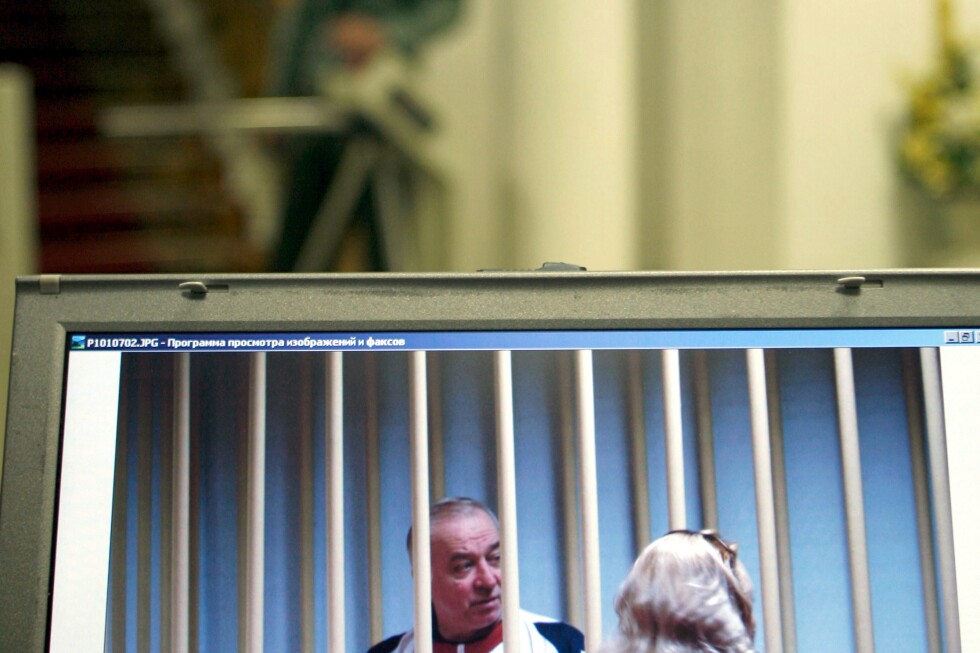
In a world fraught with geopolitical tensions, the reality of targeted killings has become a concerning issue in Europe. Russian security services, allegedly intensifying their operations since the 2022 Ukraine invasion, are reportedly behind a series of assassination plots targeting Russian activists and supporters of Ukraine residing in Europe.
Vladimir Osechkin, a Russian activist living in France since 2015, is one such individual under constant threat. French authorities believe his life is at risk from Russian operatives, prompting Osechkin to rely on police protection for daily activities like taking his children to school. In April 2025, an alleged assassination attempt was thwarted when Russian men were observed conducting surveillance on his home in Biarritz, according to court documents reviewed by The Associated Press, though not publicly available. Years earlier, a red dot, suspected to be a laser sight, appeared ominously on his wall.
Europe has witnessed several similar incidents. Lithuanian officials foiled a plot against a pro-Ukrainian Lithuanian and a Russian activist. In Germany, authorities disrupted plans to assassinate the head of a German arms company and a Ukrainian military officer. Additionally, Poland arrested an individual in 2024 for allegedly plotting to kill Ukrainian President Volodymyr Zelenskyy. That same year, a Russian defector was killed in Spain, with Russian operatives suspected of involvement.
Such incidents highlight an apparent increase in brazen actions by Russian security services, as stated by anonymous Western intelligence officials. “This campaign is not by accident or chance,” remarked a senior European intelligence official, indicating political backing for these operations.
Lithuanian prosecutors and a former senior British counterterrorism official perceive these assassination attempts as part of Russia’s wider strategy to destabilize European countries supporting Ukraine. This strategy reportedly includes 191 cases of sabotage and other disruptive activities attributed to Russia since the war’s onset.
Russia, according to French court documents and Lithuanian prosecutors, seems to be leveraging individuals recruited as inexpensive proxies for these operations. Despite Moscow’s denials of involvement in such plots, Western intelligence suggests otherwise.
The Struggle for Safety
Vladimir Osechkin, the founder of a rights group for prisoners, has been under police protection since 2022 after threats against him escalated due to his investigations into Russian abuses in Ukraine. He credits French authorities for his safety, saying, “If it weren’t for them, I probably would have been killed.”
Defiance in the Face of Threats
In Lithuania, Ruslan Gabbasov, an activist advocating for Bashkortostan’s independence, discovered an Apple AirTag on his car in early 2025. Subsequent police action revealed a potential assassination attempt. Despite the danger, Gabbasov declined an offer to disappear, citing his leadership role in the independence movement and the strategic importance of his region to the Kremlin.
Similarly, Valdas Bartkevičius, a Lithuanian activist, rejected an offer to vanish after a plot to kill him with a mailbox bomb was uncovered. He continues his work raising funds for Ukraine, considering disappearance akin to “social death.”
These assassination attempts, although largely thwarted, serve dual purposes: instilling fear in Kremlin opponents and straining European law enforcement resources. Nonetheless, the threat remains tangible, as the European intelligence official explained, “Even if you thwart an operation once, you still need to be ready in case they strike again.”
For more on AP’s use of anonymous sources in this report, click here.