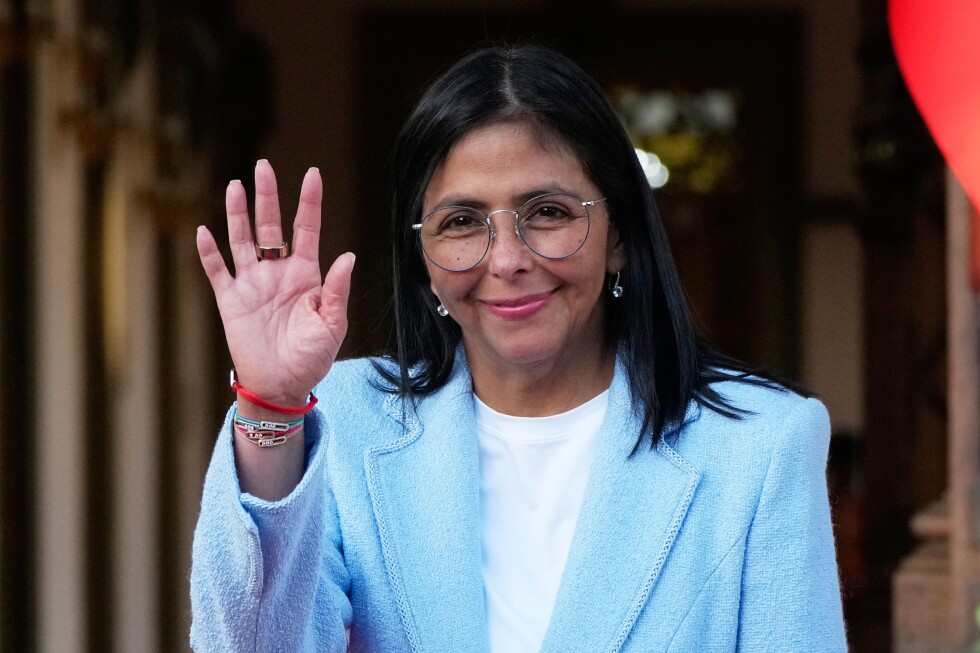
In a surprising development, Venezuela’s acting President Delcy Rodríguez firmly denied any plans for the nation to join the United States as its 51st state. This statement comes after U.S. President Donald Trump suggested he was seriously contemplating the idea, sparking widespread discussions.
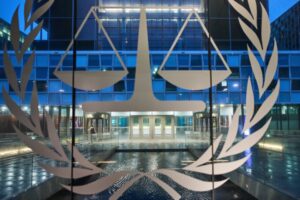
Rodríguez made her position clear while at the International Court of Justice in The Hague, where Venezuela is engaged in hearings against Guyana over the contested Essequibo region. “We will continue to defend our integrity, our sovereignty, our independence, our history,” she declared, reaffirming Venezuela’s status as a sovereign nation.
Trump’s remarks were shared on social media by Fox News co-anchor John Roberts, who quoted the president saying he was “seriously considering making Venezuela the 51st US state.” No official response has been issued by the White House regarding this statement.
Similar comments by Trump have been noted about Canada, but White House spokesperson Anna Kelly refrained from commenting directly on Venezuela. She did acknowledge Trump’s tendency to challenge the status quo and commended Rodríguez for her cooperative approach with the U.S.
Rodríguez emphasized ongoing communication between Venezuelan and U.S. officials, focusing on “cooperation and understanding.” This is particularly significant given the backdrop of a long-standing territorial dispute with Guyana over the Essequibo region, rich in natural resources like oil and minerals.
The Essequibo region, which constitutes two-thirds of Guyana and is laden with valuable resources, has been claimed by Venezuela since the Spanish colonial era. However, an 1899 arbitration largely favored Guyana, a decision Venezuela contends was nullified by a 1966 agreement aimed at peaceful resolution through negotiations.
The discovery of substantial oil reserves by ExxonMobil off the Essequibo coast in 2015 has intensified the dispute, leading Guyana to seek a judicial ruling from the International Court of Justice in 2018. This escalated tensions further when Rodríguez’s predecessor, Nicolás Maduro, threatened annexation following a controversial referendum.
Rodríguez criticized Guyana’s decision to pursue a legal route, accusing them of undermining the 1966 agreement. She asserted that the shift to a judicial settlement aligned with the timing of the lucrative oil discovery, suggesting opportunistic motives.
During the hearings, Guyana’s foreign minister, Hugh Hilton Todd, stressed the impact of the dispute on Guyana’s sovereignty, noting that a significant portion of the country’s territory is at risk. The court’s decision, expected after several months, will be legally binding.
Venezuela has clarified that its involvement in the hearings does not imply consent to the court’s jurisdiction or acceptance of its authority.