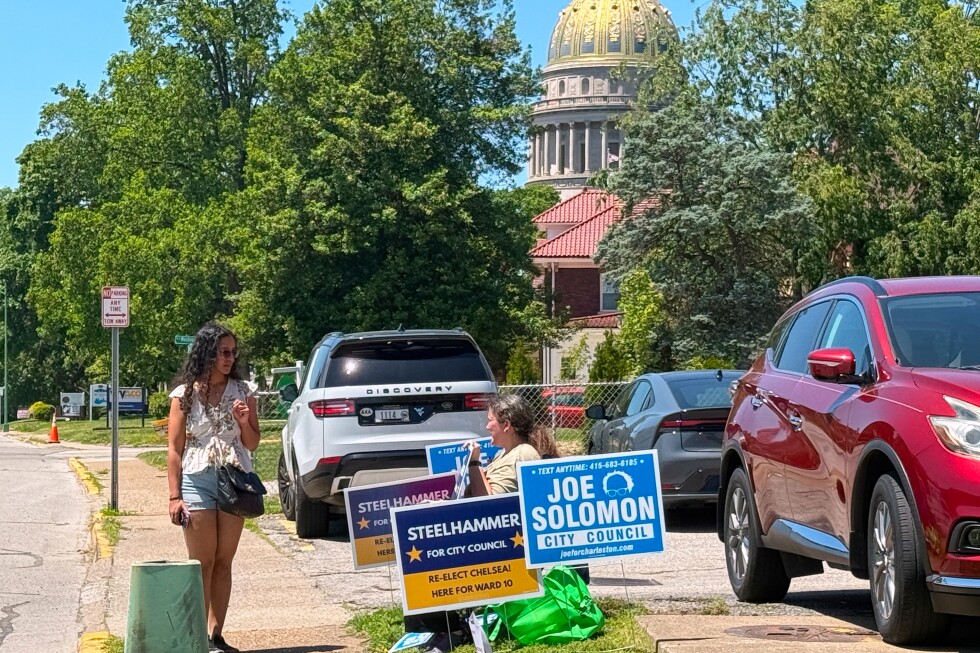
CHARLESTON, W.Va. (AP) — In West Virginia, the landscape of voter identification at polling stations has undergone a significant shift, with photo IDs now mandatory. This change was implemented during the state’s primary elections, where state legislators had previously tightened the existing voter ID requirements, allowing for some exceptions.
According to Secretary of State Kris Warner, the updated law aims to ensure voter authenticity by mandating photo identification. Warner remarked, “The whole point of the law is just making sure you are who you say you are.” The state had been encouraging the use of photo IDs in recent elections, so the transition to making it a legal requirement was not unexpected.
Voters participated in selecting candidates for U.S. Senate, U.S. House, state legislature, and two state Supreme Court justices. During the early voting period, Warner’s office reported minimal issues regarding the new ID requirement, with no residents insisting on voting without a photo ID.
While many voters adjusted to the new law, concerns about potential voter suppression were raised. Tina Scala, a nurse from Cross Lanes, expressed her discontent, stating, “I think it’s harmful. I think it’s discriminatory, takes us back decades.” Scala believes that illegal voting is not a widespread problem and worries about its impact on women’s ability to vote.
Supporters argue that photo ID requirements are common in daily activities, such as flying or purchasing alcohol, and help prevent voter fraud. However, some voters, like John Query, a brewery general manager, acknowledge the inconvenience, stating, “I understand it’s prohibitive to some. I wouldn’t prefer it that way.”
Instances of voters needing to return to their cars to fetch IDs were noted, while others utilized exceptions, such as being recognized by a poll worker who has known them for six months. First-time voters also have specific exemptions.
Across the United States, the majority of states either require or request some form of identification for in-person voting, as detailed here.
The legislation, which was passed by the Republican-dominated legislature, saw opposition votes solely from Democrats. Various forms of non-photo identification, such as utility bills and bank statements, are no longer valid. Acceptable photo IDs now include driver’s licenses, passports, military IDs, government employee IDs, and student IDs.
A provision allows seniors to use expired driver’s licenses, provided they were valid on their 65th birthday. Monongalia County Clerk Carye Blaney mentioned the use of an electronic system to scan driver’s license bar codes, enhancing security and voter confidence. “I think that it makes voters feel more secure, or it confirms for the voters the security of our elections when we are verifying a photo to a person,” Blaney said.
For further information on the 2026 elections, visit AP’s election coverage.