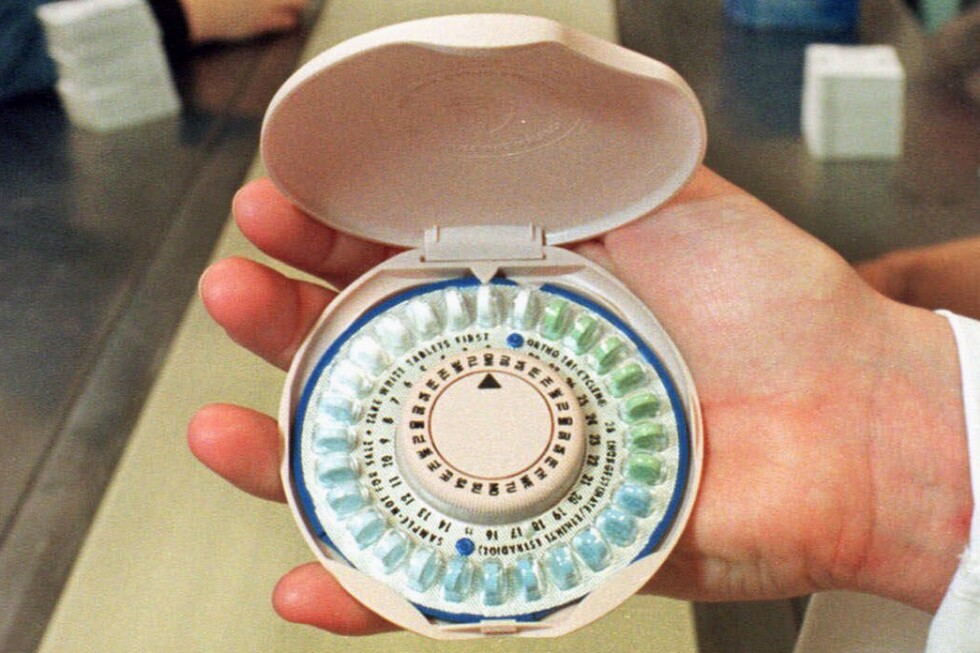
In the landscape of contemporary America, the introduction of the birth control pill stands as a pivotal moment. Approved by the U.S. Food and Drug Administration over six decades ago, this small pill has significantly altered societal norms and individual autonomy.
The Pill’s Impact on Society
The oral contraceptive, commonly referred to simply as “the pill,” was revolutionary in its ability to prevent pregnancies, offering women unprecedented control over childbearing. Suzanne Bell from the Johns Hopkins Bloomberg School of Public Health highlights its significance: “Its introduction in the 1960s afforded U.S. women this unprecedented control over their childbearing and subsequent life trajectories.” The pill effectively separated sexual activity from reproduction, empowering women to make independent decisions about their fertility.
Pioneers Behind the Pill
Margaret Sanger, a prominent advocate for birth control and founder of the precursor to Planned Parenthood, played a crucial role in the development of the pill. She, along with financial backing from philanthropist Katharine Dexter McCormick, propelled the project forward. Sanger famously said, “No woman can call herself free until she can choose consciously whether she will or will not be a mother.”

Margaret Sanger’s appeal before a Senate committee for federal birth-control legislation in Washington, D.C. (AP Photo/File)
Scientific Development
The development of the pill involved key figures such as biologists Gregory Pincus, Min Chueh Chang, and OB-GYN Dr. John Rock. Utilizing synthetic hormones, the pill prevents pregnancy by inhibiting ovulation and altering cervical mucus. When used correctly, its effectiveness reaches 99%.
Dr. Min-Chuech Chang, pioneer of the Pill. (AP Photo, File)
Dr. John Rock, developer of the birth control pill. (AP Photo/William C. Chaplis, File)
Social Transformations and Backlash
By the early 1960s, over a million American women were using the pill, sparking a wave of social change. It contributed to shifts in marriage patterns, educational pursuits, and women’s participation in the workforce. However, the pill also faced resistance, notably from Pope Paul VI and various U.S. states that initially banned contraceptives.
In recent times, the U.S. Supreme Court’s decision to overturn the constitutional right to abortion has triggered concerns about the future of contraceptive rights. Bell comments, “With any device or procedure that gives women more reproductive or sexual autonomy, there are always groups that resist and push back.” Despite these challenges, the pill remains the most popular form of reversible birth control in the U.S., used by over 8 million people, with U.S. fertility rates at a historic low.
Protest in front of the U.S. Supreme Court. (AP Photo/Charles Dharapak, File)