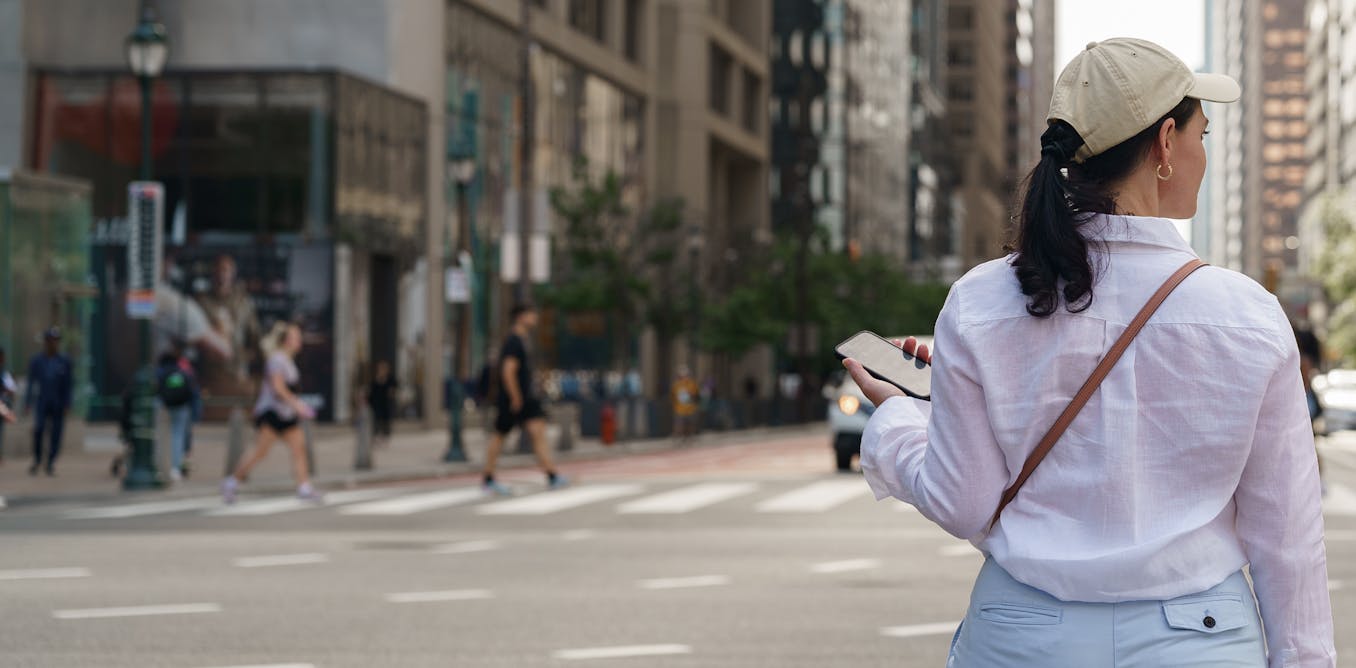
Philadelphia’s mayor, Cherelle Parker, is advocating for a new initiative aimed at addressing the city’s educational funding challenges. By 2027, Parker plans to introduce a US$1 fee on rideshare services such as Uber and Lyft. This proposal is projected to generate $48 million annually, which would be dedicated to alleviating the financial struggles of the Philadelphia school district, currently facing a $300 million deficit.
Opposition to this measure comes from various quarters, including Uber, which argues that such a tax could unfairly impact working-class individuals who frequently use these services. However, Mayor Parker contends that the fee is aimed at the companies themselves, leaving it to their discretion whether to pass the cost onto consumers.
This debate is informed by insights from experts like a professor and a Ph.D. candidate, who have researched the socio-economic impacts of green policies and technologies. Their 2025 analysis explored the preferences of Uber and Lyft users over public transit to discern how these choices reflect time valuation.
Insights from Chicago’s Rideshare Experiment
Their study of Chicago rideshare users revealed that these individuals were willing to pay approximately $30 per hour saved by using services like Uber or Lyft, aligning with the average hourly wage in the region, equating to an annual salary of $60,000 before taxes. This analysis was based on data from 1.4 million trips, with 950,000 trips analyzed after excluding those with incomplete data or those involving O’Hare airport.
The study highlighted that about 60% of these trips involved areas where households earn over $100,000 annually. Meanwhile, 23% of rides took place in zones with incomes between $50,000 and $100,000, suggesting that the majority of users in Chicago belong to the middle or upper economic classes. Conversely, only 17% of trips originated or ended in areas with incomes below $50,000, indicating that ride-hailing is a less accessible option for lower-income groups, often used as a last resort.
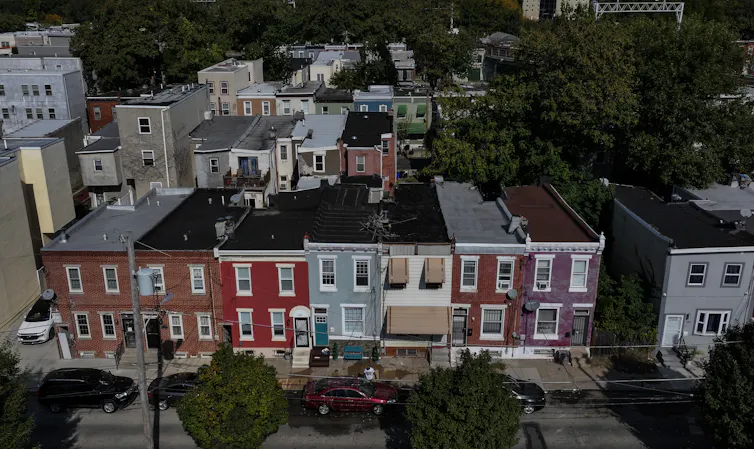
Ricky Carioti/The Washington Post via Getty Images
Impact of Additional Fees on Low-Income Riders
Research conducted by MIT, published in 2023, examined the effects of Chicago’s Ground Transportation Tax, which introduced an extra $1.13 per ride, with an additional $1.75 for trips downtown during peak hours. The funds supported city services and improved public transit.
The study observed a notable decrease in trips from downtown to the South and Southwest areas of Chicago, which have significant low-income and Black populations. It further indicated that these residents were more price-sensitive, refraining from using ride-hailing services as costs rose.
With the additional fee, many riders switched to pooled rides, except in South Chicago, likely due to fewer nearby drivers. A prior study from 2018-2019 revealed that lower-income areas had five times fewer ride requests than wealthier neighborhoods. Similarly, a New York study found disparities in how transit options served different economic areas.
Data Accessibility in Philadelphia
As Philadelphians consider this proposed fee’s impact on lower-income riders, it’s important to acknowledge the existing challenges these individuals face with ride-hailing costs. Unlike Chicago, where data is publicly available due to local ordinances, Philadelphia lacks such transparency.
Uber’s opposition to the proposal is based on its internal analysis, not publicly available data. Lyft pointed to their Economic Impact Report, stating that 61% of their rides involve low-income areas, though details on how these areas are defined remain unclear.
Further stories about Philadelphia are available, or sign up for our Philadelphia newsletter on Substack.