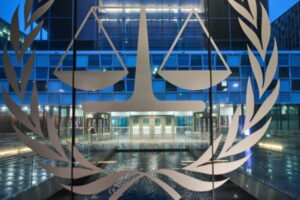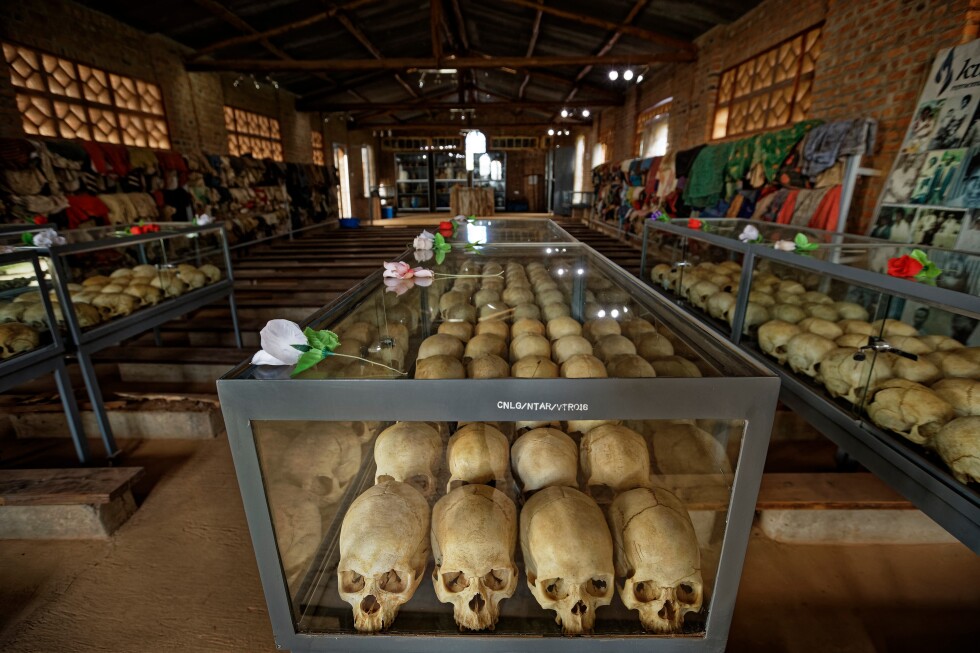
In a significant development concerning the 1994 Rwandan genocide, a high-profile suspect has died while in custody. Félicien Kabuga, a Rwandan businessman accused of financing the genocide, passed away at a hospital in The Hague, Netherlands, according to a statement from the U.N. International Residual Mechanism for Criminal Tribunals.
Kabuga, aged 91, had been charged with several serious offenses, including genocide, incitement to commit genocide, and conspiracy to commit genocide. His alleged actions during the genocide, which targeted the Tutsi minority and resulted in the deaths of 800,000 people, have been the subject of international legal proceedings. His trial commenced in 2022, almost 30 years after the tragic events unfolded.
In 2023, Kabuga was declared unfit to continue standing trial due to dementia. Despite this, the court had decided to proceed with hearings to gather evidence, though it ruled out the possibility of convicting him. The court’s decision to declare him unfit was met with frustration by Rwandan genocide survivors, many of whom believed his crimes warranted a full trial and the maximum penalty.
The circumstances surrounding Kabuga’s death are currently under investigation, as stated by the U.N. tribunal. An arrest warrant had been issued for him back in 2013, accompanied by a $5 million bounty. He was eventually apprehended in France in 2020, leading to the initiation of his trial two years later.
Kabuga’s legal journey was fraught with complexities. Although he remained in detention after being declared unfit, discussions were ongoing regarding his provisional release. His lawyer had expressed concerns over returning to Rwanda, citing potential mistreatment despite the country’s willingness to accept him.
The genesis of the genocide can be traced back to April 6, 1994, following the downing of a plane carrying then-President Juvénal Habyarimana, an ethnic Hutu. Kabuga’s personal connections to the late president, through his daughter’s marriage to Habyarimana’s son, further complicated his case.