The Brazilian Amazon, a region already at the center of environmental debates, is poised for a significant legal decision concerning a controversial mining venture. The Volta Grande gold mine, proposed by the Canadian company Belo Sun, faces a pivotal moment on Wednesday as a Brazilian court decides on jurisdictional authority for its environmental licensing.
The crucial decision centers on whether the federal government or the state of Para, where the mine is situated, holds the power to issue environmental licenses for the project.
Project Scope and Environmental Concerns
The Volta Grande mine is set to be the most extensive gold extraction site in the Brazilian Amazon, based on a 2015 feasibility study by Belo Sun. The company plans to extract over 3.5 million ounces of gold across 17 years, involving the excavation of more than 600 million tons of material. This operation will span 24 square kilometers and significantly impact 125 hectares of the rainforest.
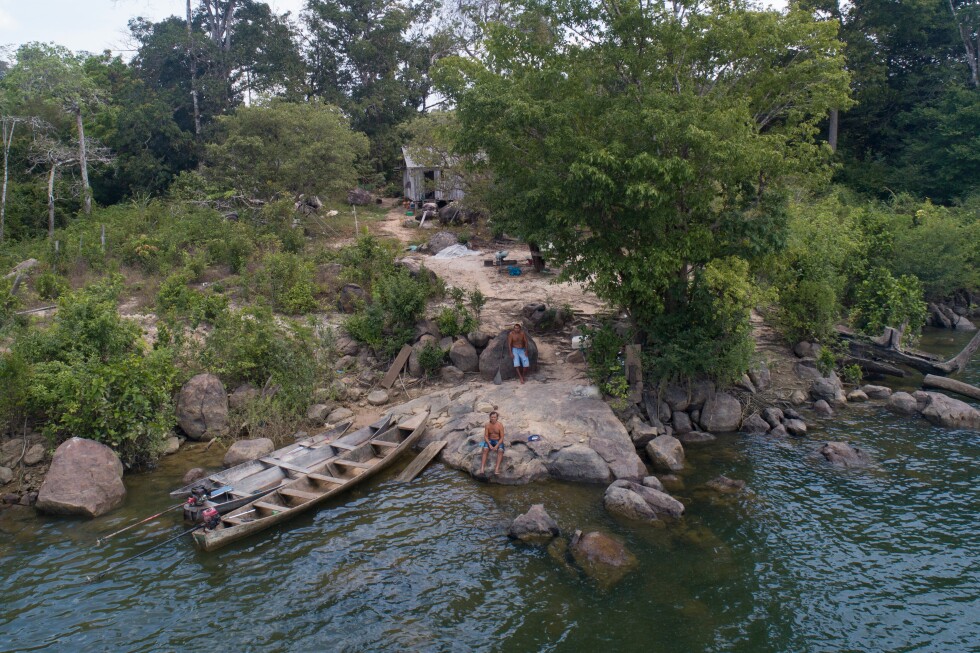
An independent study in 2021 conducted by scientists from the University of Sao Paulo and University of Amazonas flagged significant risks, especially concerning the proposed tailings dam. Positioned above a water channel near the Xingu River, any failure could potentially release toxic waste into the river, threatening both Indigenous communities and the broader ecosystem.
Additionally, the project could displace 813 families, as reported by the Articulation of Indigenous Peoples of Brazil (Apib). These communities are already suffering due to reduced river flows from the Belo Monte hydroelectric dam.
Environmental concerns extend to greenhouse gas emissions, with estimates suggesting the mine could produce 3.7 million tons of carbon dioxide, based on calculations from Amazon Watch.
Legal Challenges and Indigenous Rights
The licensing process has faced opposition since 2013, primarily due to inadequate consultations with Indigenous groups. A federal court in 2017 mandated federal government approval and formal Indigenous consultations, a decision overturned in 2025, giving licensing authority back to Para state. The current court ruling will address an appeal against this decision.
Last December, the Juruna and Arara Indigenous groups publicly declared their opposition to the project, stating they were not properly consulted as required. Belo Sun, however, claims it has adhered to established consultation protocols.
Federal prosecutors argue that the federal government should oversee the project due to its nationwide implications, including the impact on Indigenous territories and the Xingu River, both under federal jurisdiction. Prosecutor Felício Pontes Jr. emphasized the compounded impact of the mine and the Belo Monte dam, noting, “This could create a major conflict if there isn’t a single authority licensing both projects.”
Future Developments
Should the court return jurisdiction to the federal government, it could nullify the environmental licenses granted in 2025 by Para state. However, both sides retain the right to challenge the decision, and other legal actions against the project remain active.
Belo Sun has announced new technical studies for the Volta Grande project, aiming to refine and update its plans. The company has engaged a mining consultancy to assess and enhance the project by late 2026. Despite ongoing legal hurdles, Belo Sun maintains that regulatory and judicial authorities in Brazil will oversee the environmental licensing process.
___
The Associated Press’ climate and environmental coverage receives financial support from multiple private foundations. AP is solely responsible for all content. Find AP’s standards for working with philanthropies, a list of supporters, and funded coverage areas at AP.org.