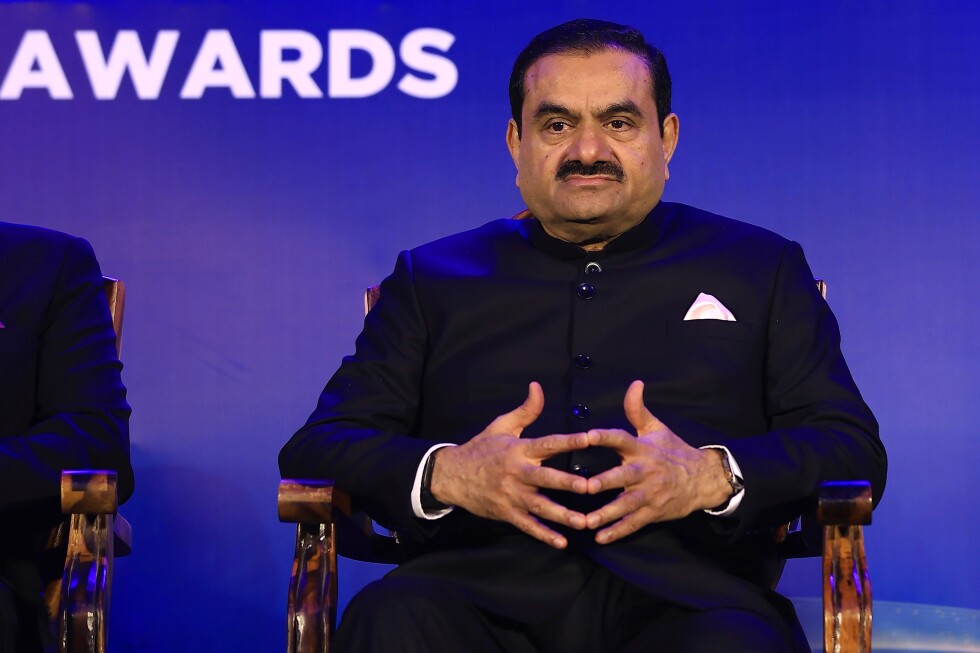
The recent decision by U.S. prosecutors to drop criminal charges against Indian billionaire Gautam Adani has sparked significant attention, especially given the serious allegations initially levied against him. Accused of misleading investors in a substantial solar initiative in India, Adani had faced charges of fraud and conspiracy.
Prosecutors Withdraw Charges
In a notable development, U.S. prosecutors have requested that a judge dismiss all criminal charges against Gautam Adani. The charges, which included conspiracy, securities fraud, and wire fraud, were tied to allegations that Adani paid substantial bribes to secure a profitable deal for his company, Adani Green Energy Ltd., to supply 12 gigawatts of solar power to the Indian government.
The Adani Group had consistently refuted these claims, labeling them baseless. Prosecutors, including Principal Associate Deputy Attorney General R. Trent McCotter and Brooklyn U.S. Attorney Joseph Nocella Jr., cited a decision not to pursue these charges further in a recent court filing.
Read more about the initial charges here.
Legal Proceedings and Reactions
The dismissal request still requires approval from Judge Nicholas Garaufis. Legal representatives for Adani and his co-defendants have agreed to the dismissal request, though they have refrained from commenting publicly on the matter. This includes Robert Giuffra, Adani’s lawyer, along with Timothy Sini and Sean Hecker, who represent Sagar Adani, his nephew.
Adani was never detained or extradited to the U.S. for trial. The case’s potential shelving had been anticipated by some, especially after former President Donald Trump halted enforcement of the Foreign Corrupt Practices Act.
Adani Group’s History and Controversies
Gautam Adani, who amassed his wealth through coal in the 1990s, has since diversified into various sectors including renewable energy. His company, Adani Green Energy, has grown to be a major player in solar power, setting ambitious goals for 2030. Despite its successes, the Adani Group has faced criticism. Short-seller Hindenburg Research accused the firm of “brazen stock manipulation” and “accounting fraud,” allegations the company has strongly denied.
For more on the allegations from Hindenburg Research, visit this link.
Global Impact and Future Implications
The international fallout from the case was significant, impacting Adani’s business dealings in Kenya, Sri Lanka, and with a French oil company. Analysts have pointed to Adani’s strategic alignment with Indian Prime Minister Narendra Modi’s government as a factor in his business success, though this has also led to accusations of receiving preferential treatment.
Further insights into the global ramifications can be seen here.
The dismissal of these charges may have a lasting impact on both Adani’s business operations and his public image, as the spotlight remains on his company’s practices and its future trajectory.