In a strategic move to counter Russian aerial threats, Ukraine is set to receive Swedish Gripen fighter jets, potentially equipped with advanced Meteor missiles. This development aims to bolster Ukraine’s defense capabilities against the increasing use of Russian glide bombs, which have been a significant challenge on the battlefield.
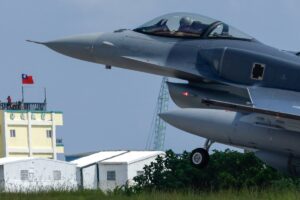
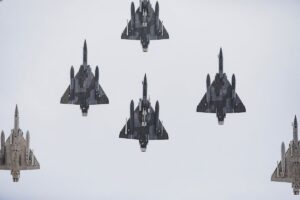
Sweden has announced plans to donate 16 older Gripen C/D jets to Ukraine in the coming year as part of a broader agreement that includes Ukraine’s purchase of new Saab Gripen E aircraft. These jets may be supplied with MBDA’s Meteor missiles, which have the capability to engage Russian aircraft at ranges beyond the reach of Ukraine’s current F-16 and Mirage fighters.
The Ukrainian Ministry of Defence reports a surge in Russian glide bomb deployments this year. These munitions, often released by aircraft like the Sukhoi Su-34, are dropped from distances that keep them safe from Ukraine’s air defenses, posing a persistent threat to fortified positions.
According to Fabian Hoffmann, a senior research fellow at the Norwegian Institute for Defence Studies, “Gripen C/D with Meteor, in principle, offers the best capability to counter Russian glide bombs before they are launched that Ukraine realistically has access to.” He noted that while electronic warfare has been effective against these threats, the addition of Meteor-equipped Gripens remains a valuable asset.
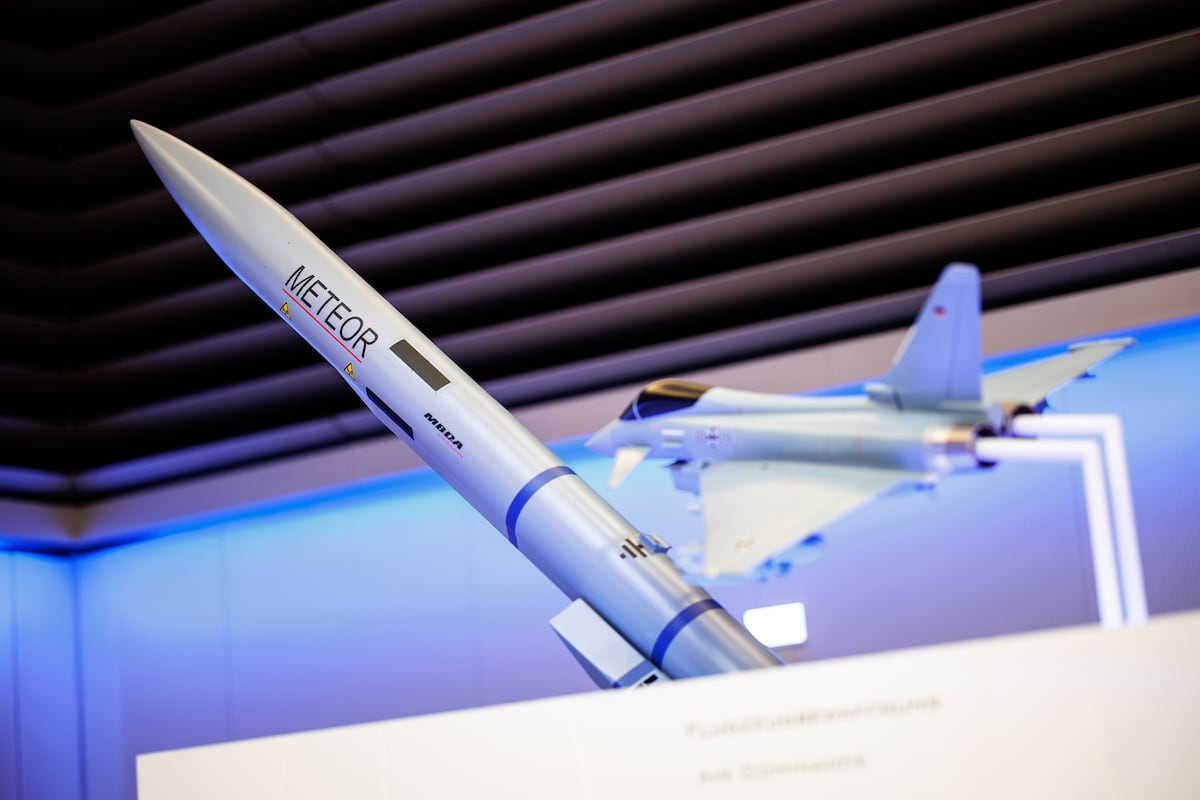
There is still uncertainty about the inclusion of Meteor missiles with the donated Gripens. The Meteor, a 3.7-meter missile weighing 190 kg, is praised for its long range and effectiveness in Western military circles. While Ukrainian Brig. Gen. Pavlo Palisa indicated via Facebook that initial shipments would include the Meteor, Swedish Defense Minister Pål Jonson mentioned on social media that the jets “can be delivered” with these missiles.
The Swedish Defense Ministry has stated that the donation could include an advanced ammunition package, possibly featuring Diehl’s IRIS-T, Raytheon’s AIM-120, and the Meteor. However, clarity on this package is pending further confirmation from the Swedish government.
Ukrainian President Volodymyr Zelenskyy underscored the importance of the Gripen-Meteor combination during a press briefing in Sweden, emphasizing its potential to deter Russian aerial operations. Justin Bronk, a senior research fellow at the Royal United Services Institute, noted, “Gripen C with Meteor offers a significantly better chance to successfully engage Su-34s dropping glide bombs 60-70km behind Russian front lines than F-16 with AIM-120 or Mirage 2000 with MICA.”
While the exact range of the Meteor remains classified, Jussi Halmetoja, a retired Gripen pilot and Saab operations adviser, has suggested it can cover 200 kilometers at high speed, with range influenced by the launch conditions.
The training of Ukrainian personnel on the Gripen is already underway, with plans to expand efforts in the autumn, according to Jonson.
The Ukrainian Ministry of Defence has documented Russia’s use of nearly 7,000 guided aerial bombs in April, following a record 7,987 bombs the previous month. These attacks typically involve 500kg bombs, alongside larger fortification busters.
Sweden, the first country to integrate the Meteor with its Gripen fleet in 2016, continues to play a pivotal role in the missile’s development alongside partners like France and the United Kingdom. Recent orders from Germany, Sweden, and France, as well as a Franco-British initiative to explore a Meteor successor, highlight ongoing investments in this technology.