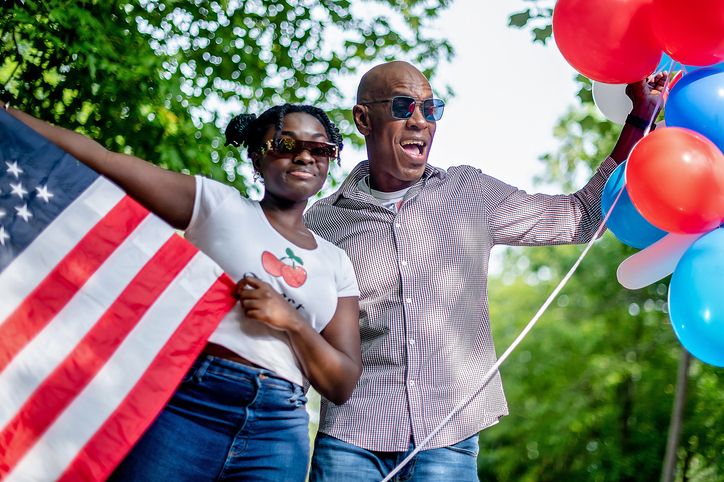
Black Cookouts: A Celebration of Heritage and Unity
As America marks its 250th Independence Day, many Black families continue a tradition that transcends typical celebrations. The Black cookout, an event full of culture and connection, is not just about the food but about preserving family ties and history.
Each year on the Fourth of July, while the nation recognizes the 1776 signing of the Declaration of Independence, Black Americans gather for a different kind of celebration. The Black family cookout is a vibrant cultural event, where food, music, and community take center stage. These gatherings are more than just barbecues; they are rich with tradition and familial bonds.
The cookout offers a unique space for intergenerational interaction, where family stories and traditions are shared across generations. Through these gatherings, elders impart wisdom and family history, while younger members embrace their heritage through storytelling and observation.
Food: A Central Element of Tradition
Food is an essential part of the Black cookout. From savory barbecue ribs to sweet desserts, each dish represents family recipes handed down through generations. The preparation and sharing of these meals are expressions of love and connection. “This year, I can’t wait to show the family how I’ve improved my grandmother’s red velvet recipe,” says one participant, highlighting the importance of maintaining culinary traditions.
The Role of Music in Cookouts
Music serves as the backdrop for these celebrations, uniting generations through classic soul, R&B, and contemporary hits. This shared cultural soundtrack fosters unity and cultural identity among family members. Besides music, activities like card games and sports add to the camaraderie and create lasting memories.
The Black Cookout: A Cultural Haven
Importantly, the Black cookout provides a sanctuary where Black joy can thrive. It is a space where cultural pride and resilience are celebrated without outside pressures. These gatherings offer a moment of peace and collective celebration, especially valuable in a society that has historically presented challenges to Black communities.
In today’s world, with economic pressures and changing dynamics, the cookout remains a vital connector for families. As noted in a 2024 piece, “with inflation, scattered families, lost recipes, and increased cost of living,” the need for cookouts is more pressing than ever to keep traditions alive.
The Black July 4 cookout extends beyond a meal. It is a living tradition that preserves history, nurtures relationships, and celebrates culture, embodying 250 years of Black love, family, and unity as America celebrates its own milestone.
SEE MORE:
Are Young People Giving Up On Grilling?
Top 10 Vacation Destinations For Black Families In 2026