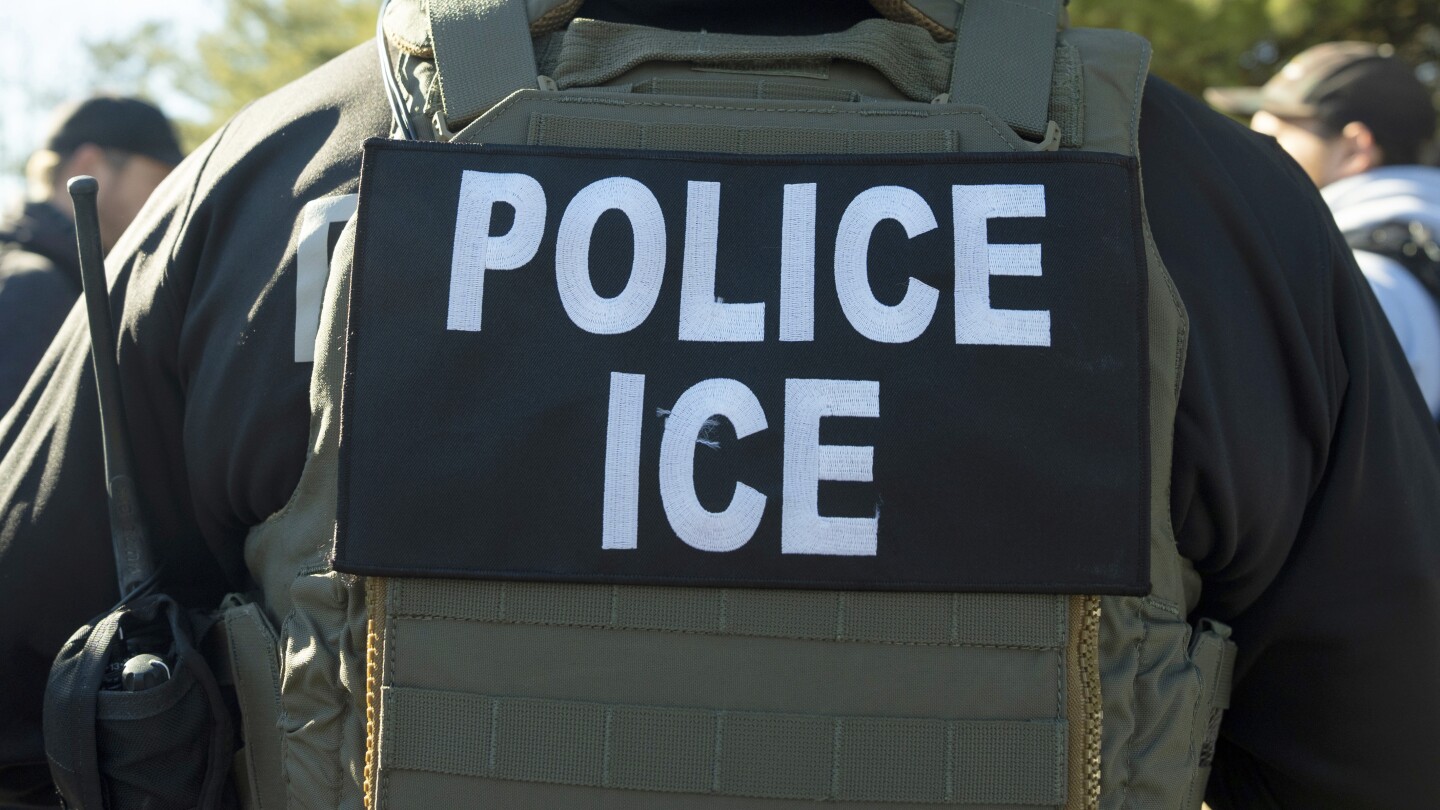
On the heels of a Supreme Court decision, the Trump administration is proceeding with the deportation of eight immigrants to South Sudan, a country currently embroiled in civil unrest. Despite an initial hold placed by a federal judge, the legal pathway was ultimately cleared, allowing the deportations to move forward.
The legal saga began on July 4th when District Judge Randolph Moss in Washington, D.C., temporarily halted the deportations as he considered an emergency appeal from the immigrants’ defense team. After a review, Judge Moss determined that the ultimate decision rested with Judge Brian Murphy in Boston, who had issued the original order stopping the deportations.
However, Judge Murphy ruled that the recent Supreme Court decisions restricted his ability to intervene. In his decision, Murphy stated, “This Court interprets these Supreme Court orders as binding on this new petition, as Petitioners are now raising substantially similar claims, and therefore Petitioners motion is denied.”
The administration had been preparing to transport the immigrants from a U.S. naval base in Djibouti, where they had been held for weeks, to South Sudan. This move was delayed due to the legal proceedings initiated by Judge Murphy’s previous ruling, which mandated court hearings before deporting immigrants to new countries.
The Supreme Court vacated that decision last month, then issued a new order Thursday night clarifying that it meant the immigrants could be moved to South Sudan.
Despite the U.S. government’s advisory against travel to South Sudan due to ongoing conflict, the deportations are set to proceed. The immigrants, none of whom have ties to South Sudan, originate from countries such as Laos, Mexico, Myanmar, and Vietnam. Their legal representatives filed an emergency motion to halt the deportations, but the temporary stay was short-lived.
The temporary stay was first reported by legal journalist Chris Geidner.