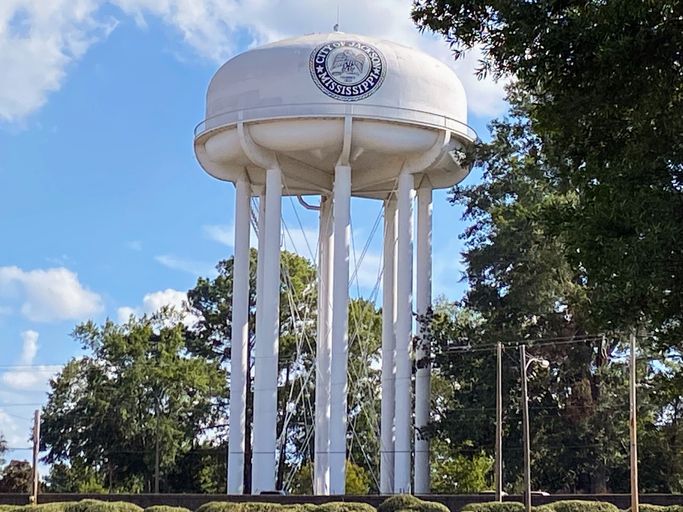
Jackson, Mississippi Faces Ongoing Water Crisis Amid Court Rulings

In Jackson, Mississippi, a city predominantly made up of Black residents, an enduring water crisis continues to affect the community. This crisis, attributed to infrastructure failures and severe weather, dates back to the near-collapse of the city’s water treatment plant in 2022.
Recently, the U.S. Court of Appeals for the Fifth Circuit made a significant ruling. In a 10-5 decision, the court determined that the alleged contamination of Jackson’s water system did not infringe upon rights under the 14th Amendment. Circuit Judge Kurt Engelhardt noted, “The Constitution does not provide redress for every governmental wrongdoing,” in response to a lawsuit filed by residents regarding the lead contamination in their water supply.
The plaintiffs, including Priscilla Sterling, Raine Becker, Shawn Miller, and John Bennett, argued that city officials knowingly permitted the consumption of unsafe water. Despite these allegations, the court concluded that the U.S. Constitution does not explicitly prohibit such actions by city leaders.
Historical Context and Developments
Jackson’s water issues precede 2022. Journalist Madiba K. Dennie highlighted historical challenges, noting that in 2014, Willie Bell, then-interim director of Jackson’s Department of Public Works, warned Mayor Tony Yarber about the increasing lead levels in the water due to river pH changes. However, instead of addressing these concerns, the mayor expanded the city’s use of the compromised water source, without informing the public.
By June 2015, the Mississippi State Department of Health discovered elevated lead levels in 22% of Jackson homes, surpassing even Flint, Michigan’s crisis. Yet, residents were not informed until 2016, and even then, officials downplayed the risks.
The lawsuit filed by the residents asserted that the city endangered their fundamental right to bodily integrity and safety from state-created dangers, as protected by the Due Process Clause of the Fourteenth Amendment. However, the District Court for the Southern District of Mississippi dismissed the case in 2024, followed by a 2025 ruling from the Fifth Circuit Court of Appeals granting the city qualified immunity despite recognizing plausible constitutional violations.
In light of these events, questions arise about the systemic neglect faced by marginalized communities. These issues mirror previous administrative decisions, such as the termination of a wastewater settlement in a predominantly Black Alabama town, deemed “environmental justice as viewed through a distorting, DEI lens” by the Trump administration.
Further Reading
SEE ALSO:
- Black Alabama Residents Suffering Due To Trump Admin’s Racist Policies
- Trump Admin Ends Wastewater Settlement For Black Alabama Town