Muscogee Nation Supreme Court Recognizes Freedmen Descendants’ Right to Citizenship
The Muscogee Nation Supreme Court has made a landmark decision affirming the rights of individuals descended from people once enslaved by the tribe to obtain tribal citizenship. This ruling marks a significant step toward honoring historical treaties and could potentially reshape the tribe’s membership landscape.
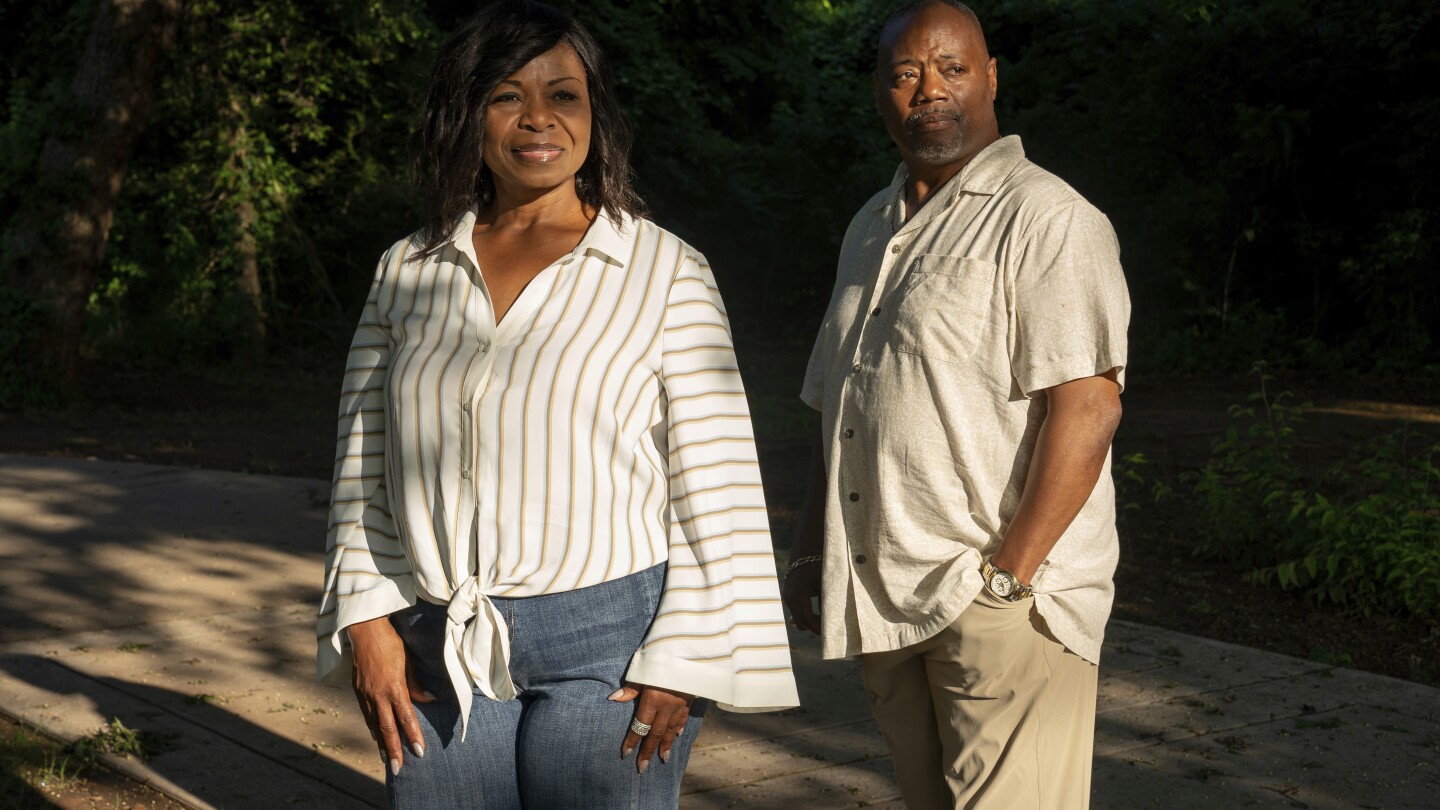
In 2019, Rhonda Grayson and Jeffrey Kennedy were denied tribal citizenship because they could not prove a bloodline connection to the Muscogee Nation. However, the court has now determined that this rejection violated an 1866 treaty that had abolished slavery and granted citizenship to the formerly enslaved. The court stated, “Are we, as a Nation, bound to treaty promises made so many years ago? Today, we answer in the affirmative, because this is what Mvskoke law demands.”
The Muscogee Nation, one of five tribes in Oklahoma that previously practiced slavery, changed its membership criteria in 1979 to include only those listed as “Muscogee (Creek) Indians by blood” in the Dawes Rolls, an early 1900s census. These rolls divided individuals into separate categories for Muscogee and Freedmen. The court’s ruling requires the citizenship board to adhere to the Treaty of 1866 for Grayson and Kennedy’s applications and future applications from those who can trace ancestry to either roll.
This decision potentially opens the door to citizenship for many who are not Muscogee by blood, a move celebrated by Grayson, who views it as a chance for reconciliation. “While this victory honors our past, it also offers a meaningful opportunity for healing and reconciliation. It’s time now to come together, rebuild trust, and move forward as one united Nation, ensuring future generations never again face exclusion or erasure,” she expressed in a statement to The Associated Press.
Kennedy shared his sentiments, noting, “When I heard the ruling, I felt generations of my family exhale at once. Our ancestors signed that treaty in good faith, and today the Court finally honored their word.”
The ruling has broader implications for the tribe’s constitutional provisions, particularly those requiring a Muscogee “by blood” status for citizens running for office. Muscogee Nation Chief David Hill stated, “We are currently reviewing the order to understand its basis as well as its implications for our processes.”
Similar legal victories have been achieved in other tribes such as the Seminole and Cherokee Nations, although the benefits and political recognition afforded to Freedmen descendants vary. The Seminole Nation’s 2,500 Freedmen citizens face restrictions in elections and access to resources, while the Cherokee Nation’s 17,000 Freedmen citizens receive full benefits.
Attorney Jonathon Velie, who has represented Freedmen in multiple cases, expressed hope that the Muscogee Nation will embrace this decision. “I hope the (Muscogee) Creek Nation welcomes them back in, because what they won today wasn’t the U.S. Government or the U.S. courts telling them, they told themselves in their own judicial system,” Velie commented.