Utility Rate Hike Sparks Controversy Among Arizona Residents
The decision to significantly raise water and sewer costs for residents of the Robson Ranch community in Eloy has ignited a debate over transparency and fairness. The Arizona Corporation Commission’s approval of a $76.63 increase in monthly utility bills has left many questioning the process, particularly in light of recent utility ownership changes.
Earlier this year, the commission narrowly approved new rates for the Picacho Water and Sewer companies, which serve the 55+ Robson Ranch community. This decision has effectively doubled most residents’ monthly utility expenses. The commissioners supporting the increase pointed fingers at The Robson Companies for not adjusting rates over two decades. The utilities’ legal representative claimed that the new rates were essential to cover operational costs, as Robson had historically offered below-market prices.
However, some argue that crucial information was missing during the decision-making process. In 2024, Robson Companies sold the utilities to JW Water, a Phoenix-based company owned by a Netherlands-based investment firm. Residents contend that the details of this transaction should have been disclosed to the commission, as they might affect the costs the new owners aim to recover through increased rates.
“But in the end, it’s really hard to explain to people how something gets sold with the money coming from a foreign investment company…and their statements clearly say that they’re looking to maximize shareholder return,” resident Deborah Dorman remarked to commissioners.
Mayes Steps In
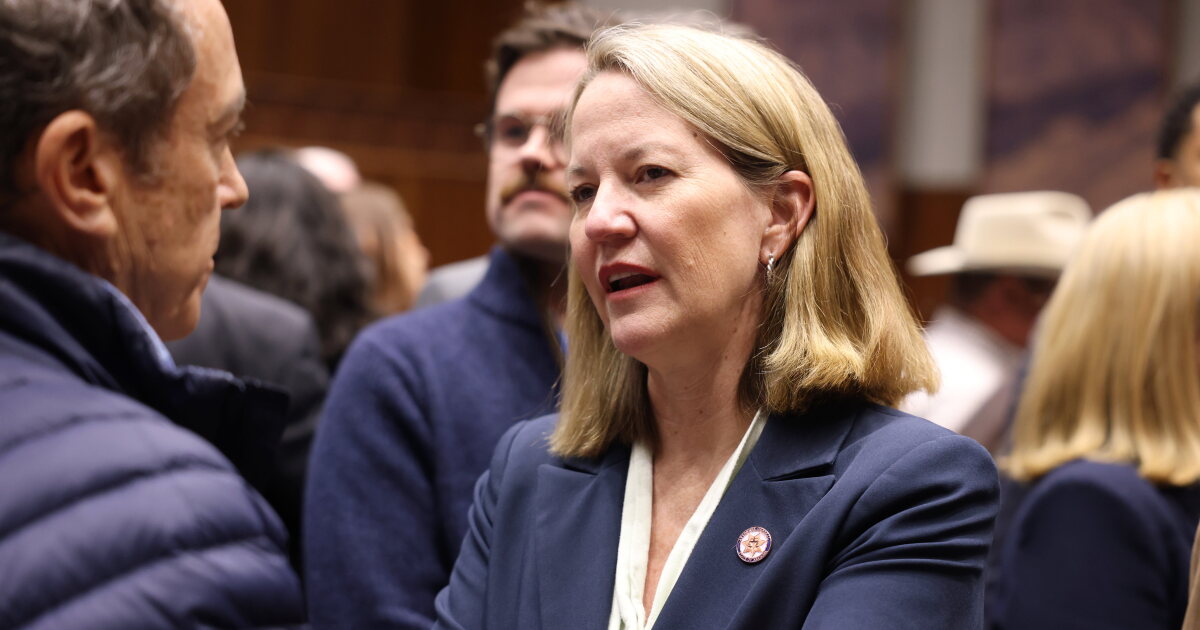
Arizona Attorney General Kris Mayes has taken up the cause of the Robson Ranch residents. Although her initial request for the commission to reconsider the rate case was unsuccessful, she has now appealed to the Arizona Court of Appeals. The appeal argues that the private sale agreement between Robson and JW Water was not fully disclosed, potentially preventing the commission from setting “just and reasonable” rates.
“Armed with the information in the transaction documents, the Commission would have been in a position to structure the rates in a manner that ensured fairness to the ratepayers,” wrote Ben Champion of the Attorney General’s Office. Residents believe that Robson Companies kept rates low to attract homebuyers, potentially subsidizing low rates through home sales. If this is true, it raises questions about the fairness of charging residents higher rates under new ownership.
Champion further suggested that the contract documents might reveal a “clawback provision,” which could allow JW Water to recover some of the purchase price if the utilities prove less profitable than anticipated. This could potentially justify a reduction in JW Water’s rate of return, thereby mitigating the rate shock for residents.
Despite the appeals and criticisms, the commission’s Executive Director Doug Clark insists that the rate increases were thoroughly vetted and are based on the true costs of providing reliable service. “The Company’s purchase transaction details have no bearing on the rate case or necessary costs to provide safe and reliable service,” Clark stated.
The ongoing debate highlights the complexities of utility pricing and the challenges of balancing operational costs with resident affordability. While JW Water has not offered public comment, the situation remains under scrutiny as residents and officials seek a resolution.