When a major hurricane sets its sights on the Gulf Coast, the U.S. military doesn’t wait — it moves. As Hurricane Isaias barrels toward the United States as a Category 3 storm, Air Force installations across Florida and Mississippi are executing well-rehearsed emergency protocols to protect billions of dollars in military aircraft and keep their people safe.
Several Gulf Coast bases have shifted their hurricane condition statuses and evacuated aircraft to inland installations, while maintenance teams on the ground prepare facilities for the storm’s expected impact this weekend. Isaias is forecast to make expected landfall along the Gulf Coast Friday night, bringing with it destructive winds, dangerous storm surges, and heavy rainfall projected to continue through the weekend.
Eglin, Hurlburt, and Tyndall Move Fast
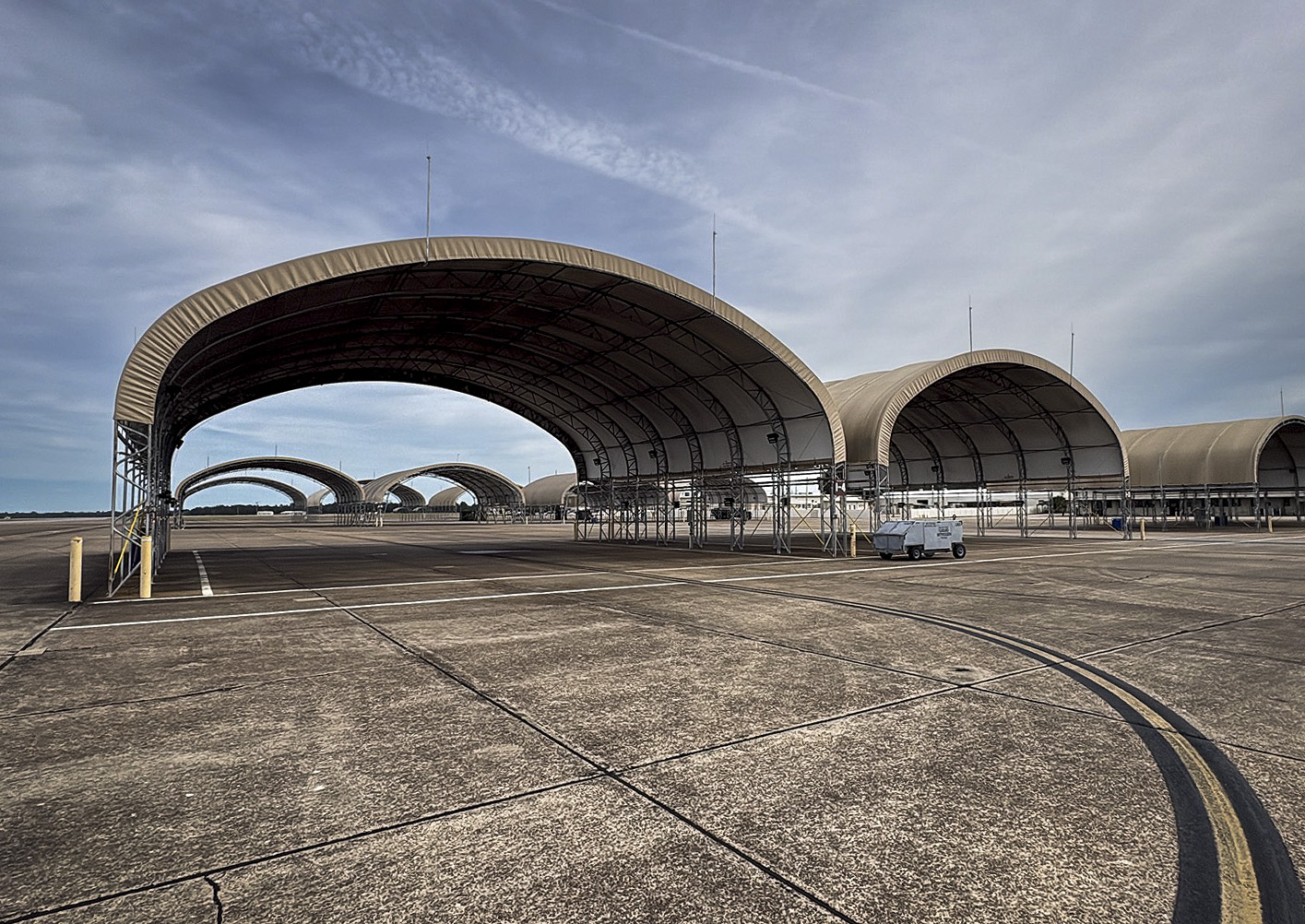
At Eglin Air Force Base in Florida, the sunshades that typically shelter aircraft now sit empty after jets departed ahead of the storm on October 8. Base leadership declared Hurricane Condition 1 — meaning destructive winds of 58 mph or greater are possible within 12 hours — and issued a limited evacuation order for service members, Department of Defense employees, and their dependents in specific county zones. Non-emergency facilities including Child Development Centers, the hospital, pharmacies, and the commissary have been closed, though emergency services such as labor and delivery and inpatient care remain operational.
Little Rock Air Force Base in Arkansas confirmed it has received aircraft from both Eglin and Hurlburt Field. A spokesperson confirmed the relocated aircraft include F-15s, F-16s, and F-35s, though specific numbers were not disclosed for operational security reasons.
At Hurlburt Field, home of the 1st Special Operations Wing, officials issued a mandatory evacuation for approximately 1,000 residents living in privatized military housing and the FAMCamp, effective no later than Thursday at 5 p.m. The base clarified in its notice that the order was targeted and precautionary:
“This is a targeted decision based on the unique utility infrastructure supporting base housing and does not indicate a broader evacuation requirement for the installation or surrounding county.”
All flyable aircraft from Hurlburt — including AC-130J Ghostrider gunships and MC-130J Commando II aircraft — were relocated to Little Rock, while those undergoing maintenance were secured in protective hangars on base.
Tyndall Air Force Base, which houses F-35s from the 325th Fighter Wing, has also moved and secured its aircraft. Base officials declined to specify quantities or destinations, stating:
“Due to operational security considerations, we are not releasing specific quantities, relocation locations, or movement timelines.”
Keesler Keeps the Mission Going
In Mississippi, Keesler Air Force Base’s Reserve 403rd Wing took its own precautions. The wing’s two flying units relocated their aircraft to Joint Base San Antonio, Texas — not just to keep them safe, but to ensure they could continue conducting weather reconnaissance missions for the National Hurricane Center even as the storm makes landfall.
For more coverage of Air Force operations and military news, visit Your Air Force at Air Force Times. Recent stories include reporting on how the Pentagon barred Qatar base access to hide Iran war damage, the Air Force and Northrop Grumman breaking ground on a B-21 Raider facility, and the Pentagon’s recruitment of drone pilots from across the services for an upcoming competition. The U.S. Public Health Service’s Commissioned Corps is also working to strengthen ties with the armed forces.