
The data collection efforts by the Trump administration have sparked a significant legal battle, as 20 state attorneys general have initiated a lawsuit against the federal government. The litigation challenges a directive aimed at accessing personal details of individuals benefiting from the Supplemental Nutrition Assistance Program (SNAP), a move perceived as a precursor to mass deportations.
The recent initiative by the administration involves acquiring sensitive information on economically disadvantaged individuals, primarily targeting those who might be undocumented immigrants. Similar requests have been made to agencies like the Internal Revenue Service and the Centers for Medicare and Medicaid Services, with the intent of bolstering deportation processes.
In a recent notification, the U.S. Department of Agriculture (USDA) instructed states to submit personal data of SNAP recipients by Wednesday. The USDA maintains that the purpose of this data requisition is to address issues of waste, fraud, and abuse within the program, which supports over 42 million Americans.
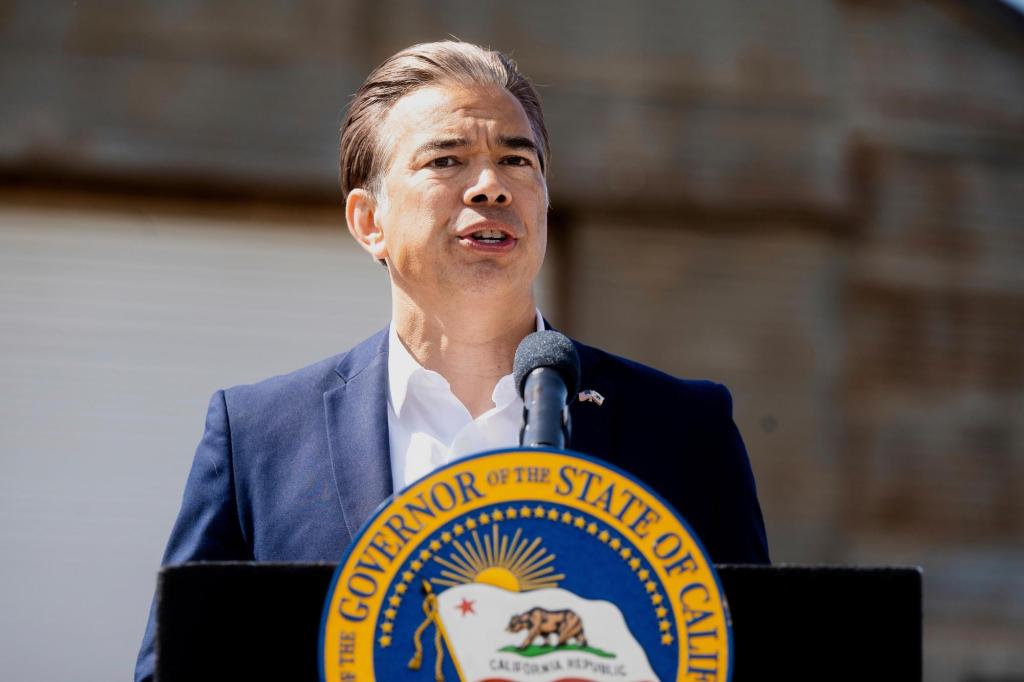
The states, through their lawsuit, are seeking a court order to halt the data handover. They argue that releasing such private details, including immigration status and home addresses, would breach privacy laws. “It’s a bait-and-switch of the worst kind,” asserted California Attorney General Rob Bonta during a press briefing, emphasizing the misuse of data intended to assist families in need.
Back in May, the USDA declared its intent to gather this data under President Trump’s executive order, aimed at combating fraud and misuse of federal funds. USDA Secretary Brooke L. Rollins justified the action, stating, “For years, this program has been on autopilot, with no USDA insight into real-time data.”
However, USDA representatives have not commented on the current lawsuit. Notably, immigration enforcement was not highlighted in the USDA’s announcement or subsequent notices, leaving questions about the relevance of the data to fraud prevention efforts. The agency asserts that SNAP already boasts one of the most thorough quality control measures within the federal sector.
Concerns have been voiced by immigration advocates regarding the potential misuse of the collected data. Similar strategies have been employed before, where data requested under the guise of fraud prevention was later used for deportation purposes. Last week, a senior immigration official acknowledged the potential use of state Medicaid data for tracking immigrants.
States face the threat of losing SNAP funding if they do not comply with the data request. Although undocumented immigrants are not eligible for SNAP benefits, they can still apply on behalf of their U.S. citizen children or if they belong to mixed-status households.
SNAP, formerly known as food stamps, is fully funded by the federal government in terms of food benefits, while states share the responsibility for administrative costs and determining eligibility for participants.
The actions of the Trump administration have raised alarms among privacy and immigration advocates. “The administration has all but told us that their intention is to comb this data and use it for unlawful purposes that include immigration enforcement,” stated Madeline Wiseman from the National Student Legal Defense Network, which, alongside other groups, has contested the USDA’s data collection efforts.
Originally Published: