President Trump’s attempt to alter the essence of American citizenship on his first day in office sparked legal battles nationwide. His executive order sought to dismantle the birthright citizenship guarantee provided by the 14th Amendment, leading to swift legal challenges from state attorneys general and various rights organizations.
Understanding the 14th Amendment’s Birthright Citizenship
The 14th Amendment’s Section 1 states: “All persons born or naturalized in the United States, and subject to the jurisdiction thereof, are citizens of the United States and of the State wherein they reside.” This provision has long been interpreted by all three branches of government as offering a broad grant of citizenship. In the landmark 1898 case United States v. Wong Kim Ark, the Supreme Court confirmed that this amendment ensures birthright citizenship to anyone born in the U.S., with few exceptions, such as children of foreign diplomats.
The Executive Order’s Impact on Citizenship
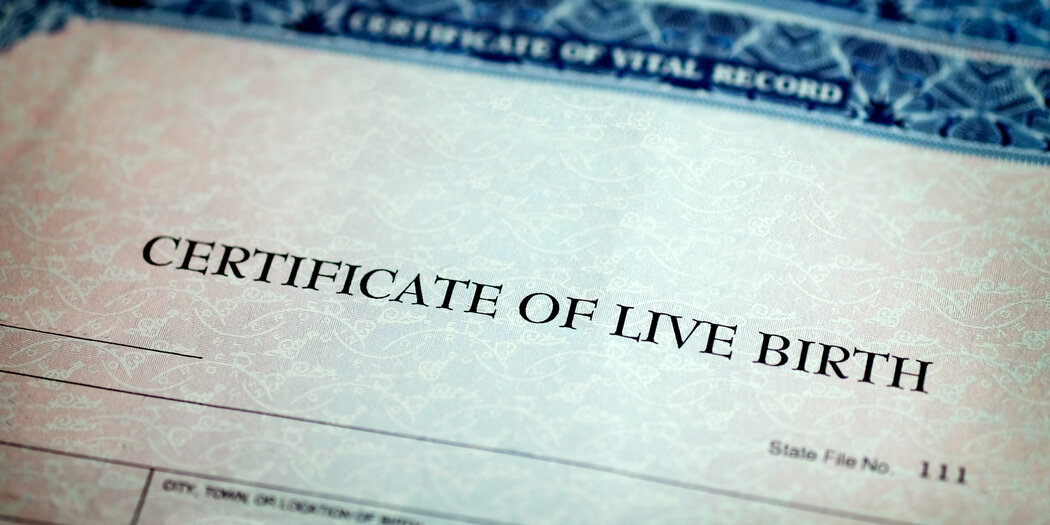
Executive Order 14160 aims to deny U.S. citizenship to children born in the country if their mother is in the U.S. “unlawfully” or “lawful[ly] but temporar[ily]” and their father is neither a U.S. citizen nor a lawful permanent resident. This would affect children of undocumented immigrants and those with parents on temporary visas, barring them from receiving documents like passports and social security numbers. Although birth certificates would still be issued, they might no longer serve as proof of citizenship.
The Historical Context of the Citizenship Clause
The Citizenship Clause was crafted to resolve longstanding disputes over U.S. citizenship. Before the 14th Amendment’s ratification in 1868, the legal status of African Americans, both enslaved and free, was ambiguous. The infamous Dred Scott v. Sandford decision in 1857 held that Black people could not be American citizens. Post-Civil War, Congress rejected this notion, embedding a broad birthright citizenship guarantee in the 14th Amendment to prevent such exclusions in the future.
Applicability to Immigrants’ Children
The 14th Amendment was intended to include immigrants’ children, as evidenced by congressional debates in 1866. Sen. Jacob Howard emphasized that the clause confirmed existing law, while Sen. John Conness supported the inclusion of all children born in the U.S. The Supreme Court upheld this view in Wong Kim Ark, confirming citizenship for children born to noncitizen parents in the U.S.
Potential Ramifications of Ending Birthright Citizenship
Should Trump’s executive order be enacted, it could lead to a significant number of children being denied citizenship, thereby creating a new class of stateless individuals without access to basic rights and protections. The United Nations Refugee Agency highlights that stateless individuals often struggle with accessing essential services and may face deportation to unfamiliar countries.
Moreover, the order would complicate administrative processes, as government agencies could no longer use birth certificates as definitive proof of citizenship. This change could lead to widespread questioning of individuals’ citizenship status, potentially resulting in discriminatory practices.
Judicial Challenges and the Role of the Supreme Court
Numerous lawsuits have been filed against the executive order, leading federal district courts to issue temporary blocks. The Supreme Court’s decision in Trump v. CASA addressed the scope of these blocks, limiting universal preliminary injunctions. While the Court did not rule on the executive order’s constitutionality, it allowed the government to proceed with the order for those not protected by revised rulings. However, lower courts have since affirmed broader blocks, and legal experts widely consider the order unconstitutional. The issue is likely to return to the Supreme Court for a definitive ruling.