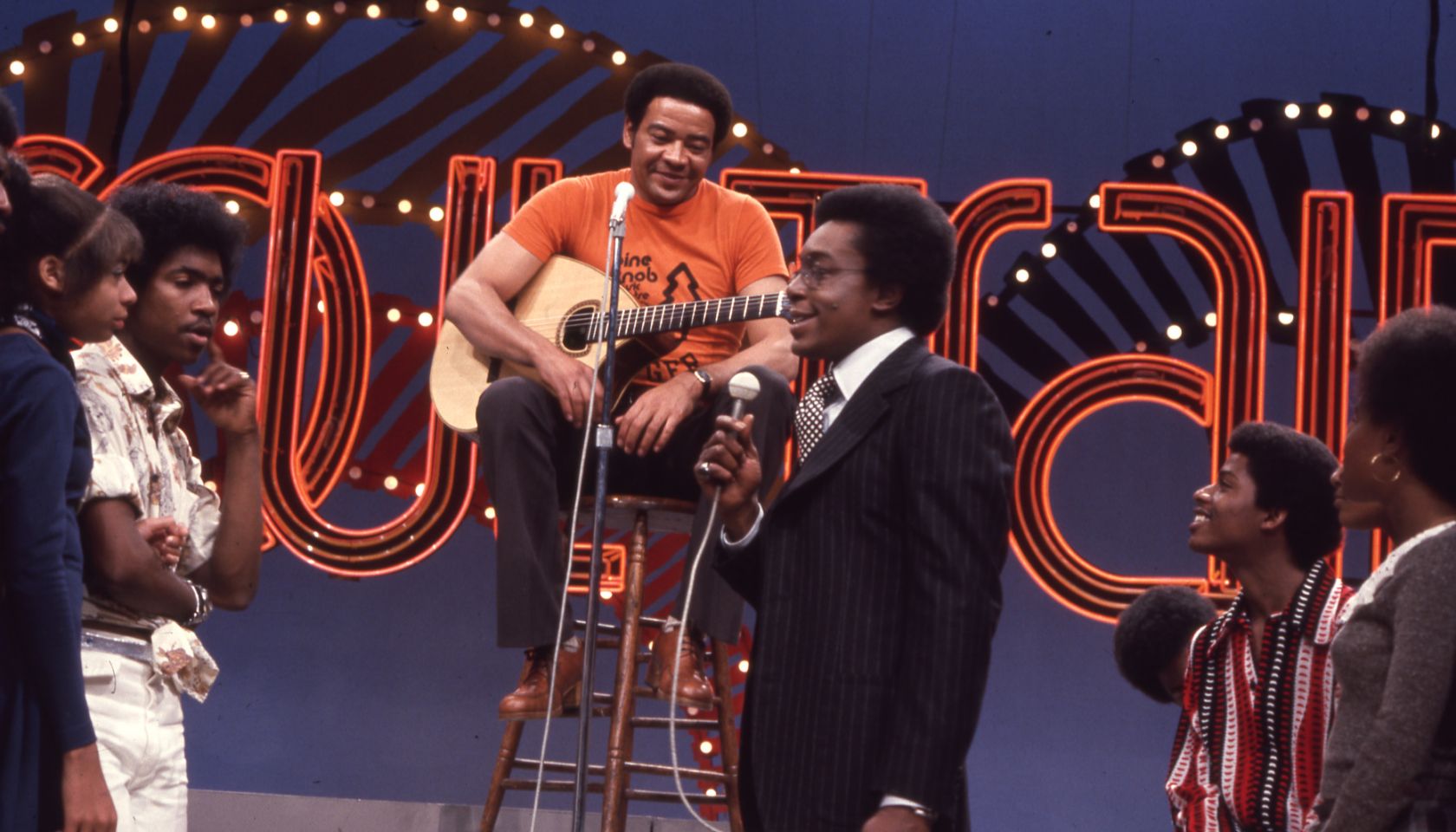

From the bustling streets of Chicago to the glimmering lights of Hollywood, Don Cornelius’s journey is one of transformation and impact. His creation, Soul Train, became the pulse of Black culture and music, influencing generations and shaping the television landscape.
The Visionary Behind Soul Train
Don Cornelius, a name synonymous with innovation in television, redefined the entertainment industry by launching Soul Train in 1971. The show, which ran until 2006, was a beacon for Black music and culture, providing a platform for artists who were often overlooked by mainstream media. Cornelius’s vision was to bring African-American culture into the spotlight, showcasing its vibrancy and significance.
From Law Enforcement to Television Pioneer
Born in 1936, Cornelius’s early career was far removed from entertainment. He initially worked as an insurance salesman and even served as a police officer, as referenced by TODAY and CBS. However, the civil rights era inspired him to pursue broadcasting, leading him to enroll in broadcasting school and later work at Chicago’s WVON station as a disc jockey and news reporter. By 1967, Cornelius was hosting A Black’s View of the News on WCIU-TV, giving a voice to African-American perspectives as noted by Celebrity Networth.
In 1970, with a modest $400 investment, Cornelius embarked on creating Soul Train, inspired by shows like American Bandstand. His aim was clear: celebrate Black music and culture on national television. “I had a burning desire to see Black people presented on television in a positive light,” Cornelius told ABC News.
The Cultural Revolution of Soul Train
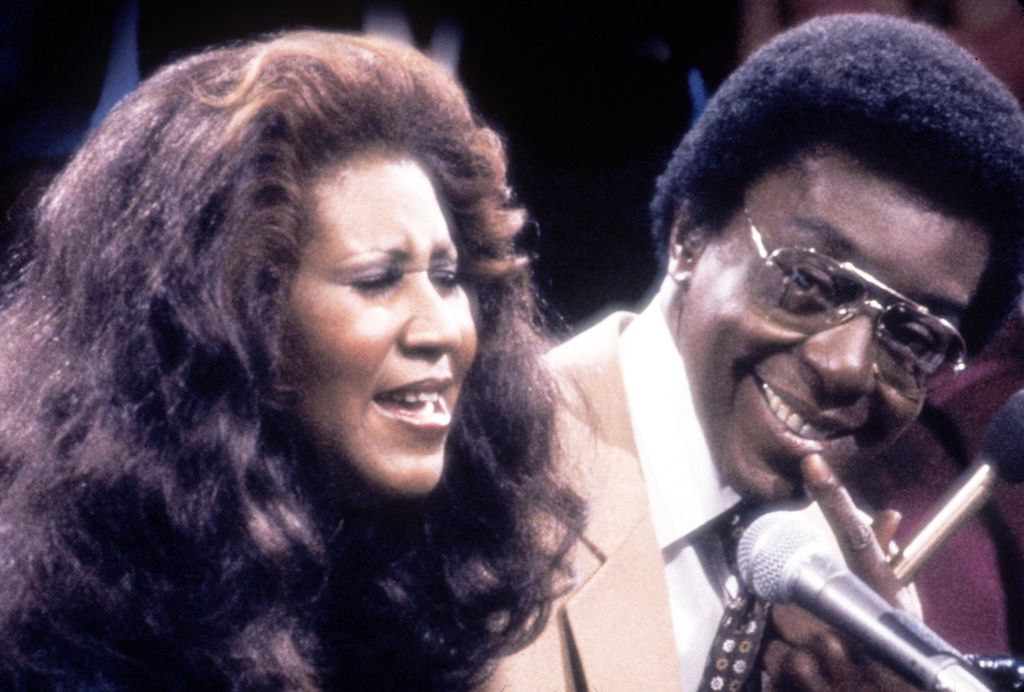
When Soul Train hit national syndication and moved to Los Angeles, it brought an unmatched energy to television. The show not only highlighted musical legends like James Brown and Aretha Franklin but also served as a cultural hub for fashion and dance. The iconic Soul Train Line became a symbol of the show’s influence, featuring dancers in a vibrant display of rhythm and style. “He integrated the culture and gave people of all races to see a positive Black image,” Smokey Robinson told CBS.
Honoring Musical Excellence
The show’s impact extended beyond television. Cornelius launched the Soul Train Music Awards and Soul Train Lady of Soul Awards to honor Black artists’ achievements. These events highlighted the significance of Black contributions to music and continue to be celebrated by platforms like BET. Despite personal health challenges and legal issues, Cornelius’s legacy in music and television endures.
Challenges and Personal Struggles
Cornelius’s life was not without hardships. A 21-hour surgery in 1982 left lasting effects on his health, as reported by ABC News. Personal difficulties also surfaced, including a 2008 domestic violence arrest. These struggles, combined with health issues, painted a complex portrait of the man behind the camera.
A Legacy of Inspiration
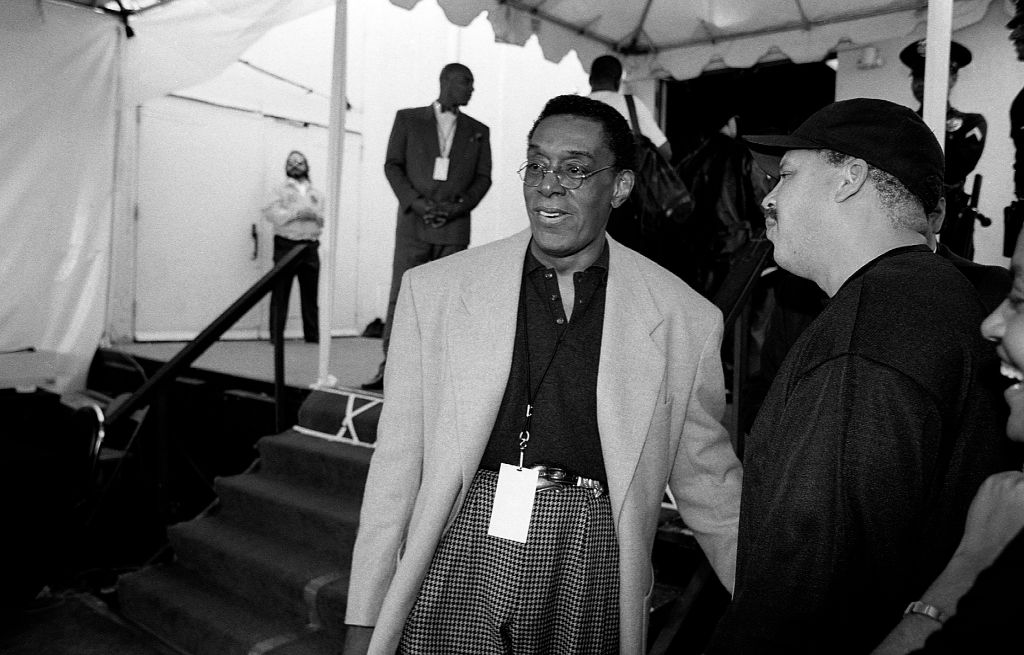
Cornelius’s influence transcends his role as a media mogul. He was a cultural icon and role model, paving the way for Black artists and providing a platform for their voices. Aretha Franklin described him as a “gentleman first, last and always,” in an interview with ABC News.
Quincy Jones stated, “Before MTV, there was Soul Train, that will be the great legacy of Don Cornelius. His contributions to television, music, and our culture as a whole will never be matched.” The enduring impact of Soul Train and Cornelius’s dedication to showcasing Black talent continue to inspire future generations.