Reflecting on the Courage of Freedom Riders and the Legacy of the Voting Rights Act
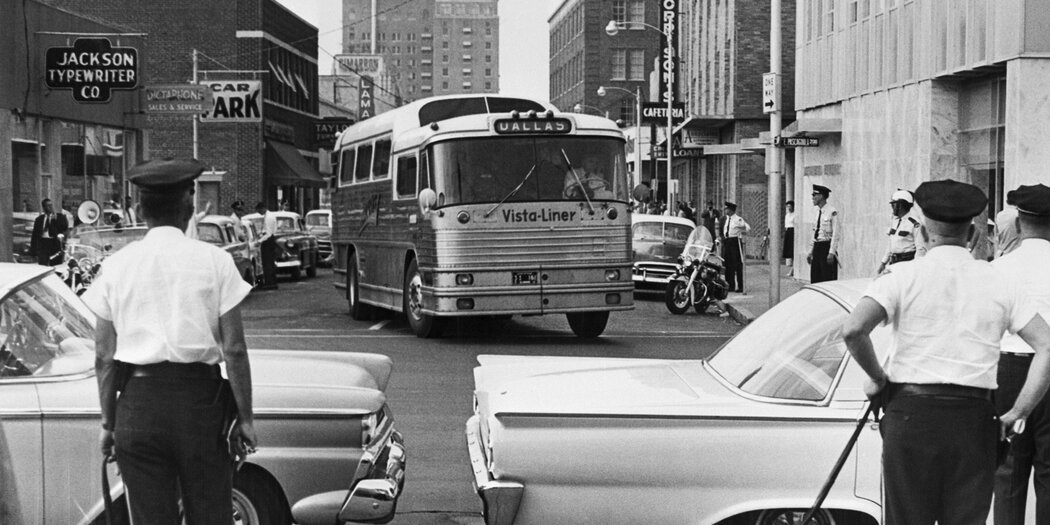
In the early 1960s, a group of courageous individuals set out on a mission to challenge the deeply ingrained segregation laws of the Jim Crow South. These civil rights activists, known as the Freedom Riders, embarked on journeys across public transportation systems to test the constitutionality of segregation in interstate travel. Their efforts drew national attention and became a pivotal moment in the civil rights movement.
The inception of the Freedom Rides can be traced back to a 1946 Supreme Court decision that deemed segregation on interstate buses unconstitutional. Inspired by this ruling, the Congress of Racial Equality (CORE) organized these interracial journeys, aiming to desegregate buses and trains. The routes included trips from Washington, DC to Birmingham, Alabama, and New Orleans to Jackson, Mississippi, with activists deliberately occupying “whites only” sections.
Despite their peaceful intentions, the Freedom Riders often encountered violent opposition from white supremacists, necessitating federal intervention. The bravery of these activists not only highlighted the injustices of segregation but also laid the groundwork for subsequent civil rights legislation, such as the Voting Rights Act of 1965, which prohibited racial discrimination in voting.
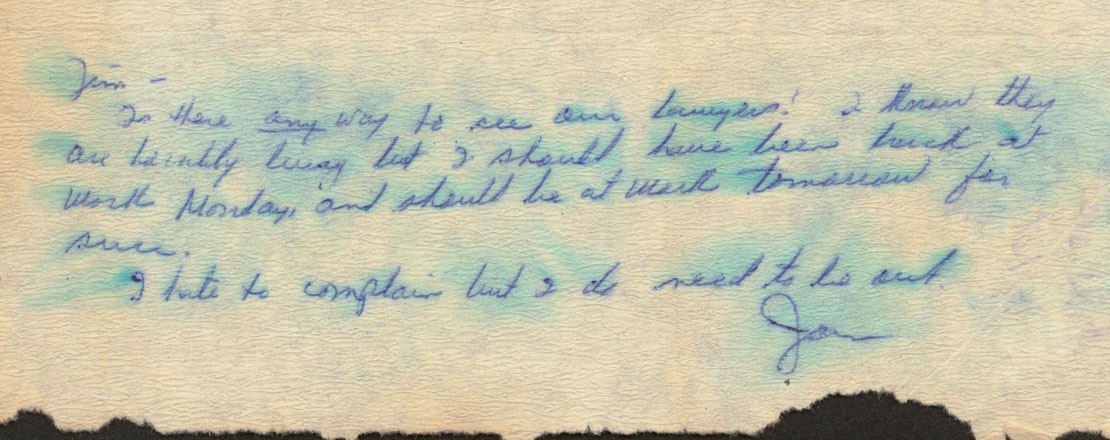
Joan Browning, a white Freedom Rider from Georgia, shared her experiences and motivations for joining these historic rides. At just 19 years old, she participated in a Freedom Ride from Atlanta to Albany, Georgia. Describing the journey, she recounted, “It was a Sunday afternoon in December. There were nine of us. When we got inside the passenger car, the conductor tried to move us, but none of us would. He finally said, ‘Well, I guess they’re just deaf.'”
Their arrival in Albany was met with hostility, as the police chief ordered them arrested. Browning, who was detained separately from her fellow riders, described the fear and camaraderie she felt during her night in jail. “I was afraid. I was also shocked that when they arrested us, I was separated from the two Black women who were on the Freedom Ride. I thought if you were bad enough to go to jail, you could at least go with your friends,” she explained.
Image
Credit
Courtesy of Joan Browning/Emory University
The Freedom Rides were not just about transportation; they were a catalyst for broader civil rights objectives, including voter registration and political representation. Browning emphasized the significance of the Voting Rights Act, noting the dramatic changes it brought about, such as the increase in Black elected officials in the South. She reflected, “I thought if we could get the Voting Rights Act enforced, it would lead to a total upheaval in who got elected, especially in the South. And it did.”
Despite the progress made, the Voting Rights Act has faced significant challenges in recent years, with key provisions being weakened by the Supreme Court. Browning expressed concern over these setbacks, drawing parallels to the era before the Act’s passage. “I think things are now headed back to as repressive as they were before the Voting Rights Act,” she warned. Nonetheless, she remains hopeful that collective action can restore and protect voting rights for all.
This interview has been edited for length and clarity.