
Federal Appeals Court Upholds Pregnant Workers Fairness Act for Texas Employees
A recent decision from a federal appeals court has confirmed the legality of a pivotal law enhancing the rights of pregnant workers, overturning a previous ruling that had denied these protections to state employees in Texas.
The Pregnant Workers Fairness Act (PWFA), enacted with bipartisan support in 2022, has faced scrutiny over its implications for workers seeking reproductive health services, such as abortions and fertility treatments. The recent ruling marks a significant win for advocates of the legislation.
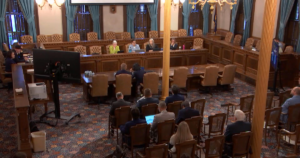
Previously, a federal judge had halted the PWFA’s enforcement for Texas state employees, arguing its passage was unconstitutional due to insufficient physical attendance of House members during the vote on the law, which was included in a spending package in December 2022.
The decision by the Fifth Circuit appeals court, which concluded with a 2-1 vote, contradicted that earlier ruling by affirming the validity of the law’s passage. This decision was based on a Congressional rule from the COVID-19 pandemic era that permitted proxy voting to fulfill quorum requirements.
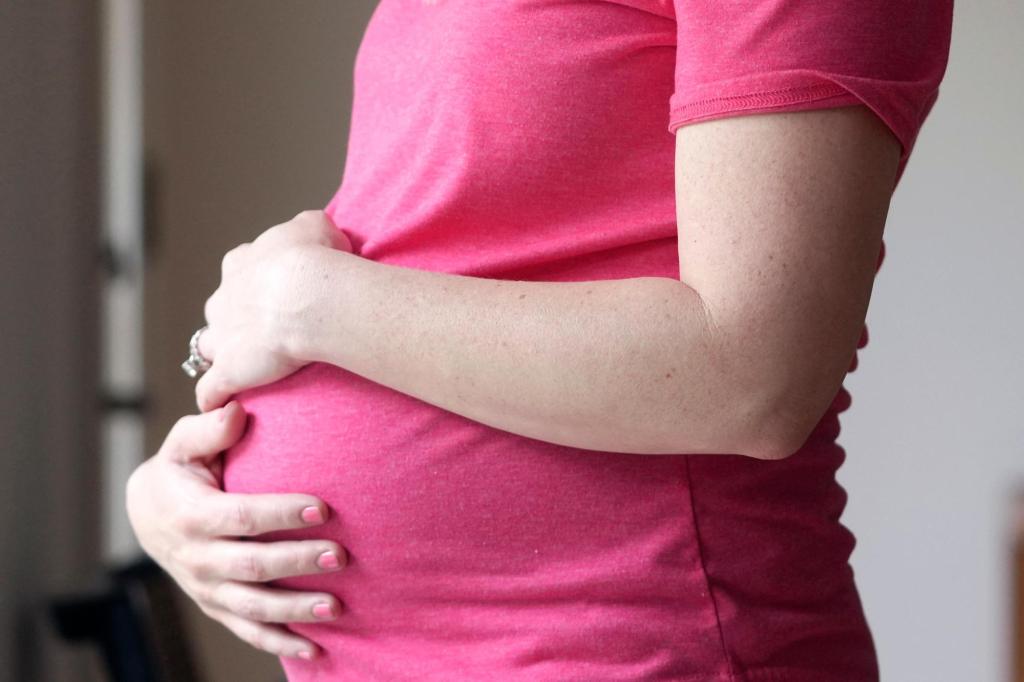
The PWFA grants pregnant workers the right to reasonable workplace accommodations related to pregnancy and childbirth, such as time off for medical appointments or relief from heavy lifting. This law’s enactment comes after years of advocacy highlighting the challenges faced by pregnant workers, particularly in low-wage positions, who were often forced to leave their jobs after requesting necessary accommodations.
Differing from other legal challenges that have focused on federal rules regarding abortion and fertility treatments, the lawsuit initiated by Texas Attorney General Ken Paxton challenged the entire PWFA. The case drew opposition from Republican figures, including former Senate Majority Leader Mitch McConnell, who supported the pandemic-era proxy voting rule.
Under the Trump administration, the Department of Justice has continued to contest Paxton’s lawsuit, which could potentially lead to challenges against other pandemic-era legislation enacted via proxy voting.
Neither Paxton’s office nor the Justice Department responded to requests for comment on the ruling. It remains uncertain if Paxton intends to appeal the decision.
Inimai Chettiar, president of A Better Balance, an advocacy group instrumental in the law’s passage, expressed satisfaction with the court’s decision. “This is a big win for women’s rights. We are really happy to see that the Fifth Circuit agreed with us that the Pregnant Workers Fairness Act was passed constitutionally and will continue to fight for the PWFA to stay legal,” Chettiar stated.
Despite the ruling, Texas state employees must wait several weeks for the decision to become final, allowing for a potential appeal.
Meanwhile, conservative officials and religious groups have effectively challenged the Equal Employment Opportunity Commission’s (EEOC) regulations that provide accommodations for workers seeking abortions. A federal court in May invalidated these provisions in response to lawsuits from Louisiana, Mississippi, and religious organizations.
Following this, the Trump administration is expected to adhere to the court’s decision. In January, President Donald Trump replaced two EEOC Democratic commissioners, facilitating a Republican majority at the agency. EEOC Acting Chair Andrea Lucas has indicated support for revising these regulations, citing that the agency overreached by including reproductive services as medical needs under the law.
Originally Published: