The Halo Effect of Protein Claims on Food Labels
Walking down the grocery store aisles, you might notice an increasing number of products boasting high protein content on their labels. This trend brings to mind the psychological phenomenon known as the halo effect, where one positive attribute leads us to assume all aspects are positive.
Recent data from a New York Times analysis reveals that over 37,000 food items now prominently feature a protein claim on their packaging. The appeal is evident, as sales for these products are soaring at a rate exceeding 7% annually, outpacing those without such labels, as indicated by industry statistics.
The market has seen an introduction of products like protein cereals, pastas, ice creams, donuts, and even protein-enriched Doritos. The underlying assumption appears to be that adding protein can counterbalance other less desirable nutritional elements. However, as noted, “a Dorito with protein is still a Dorito.”
Protein is undeniably important, particularly for older adults, athletes, and those on weight loss journeys, especially when using GLP-1 medications. These individuals need protein to maintain muscle mass, often in conjunction with resistance exercises.
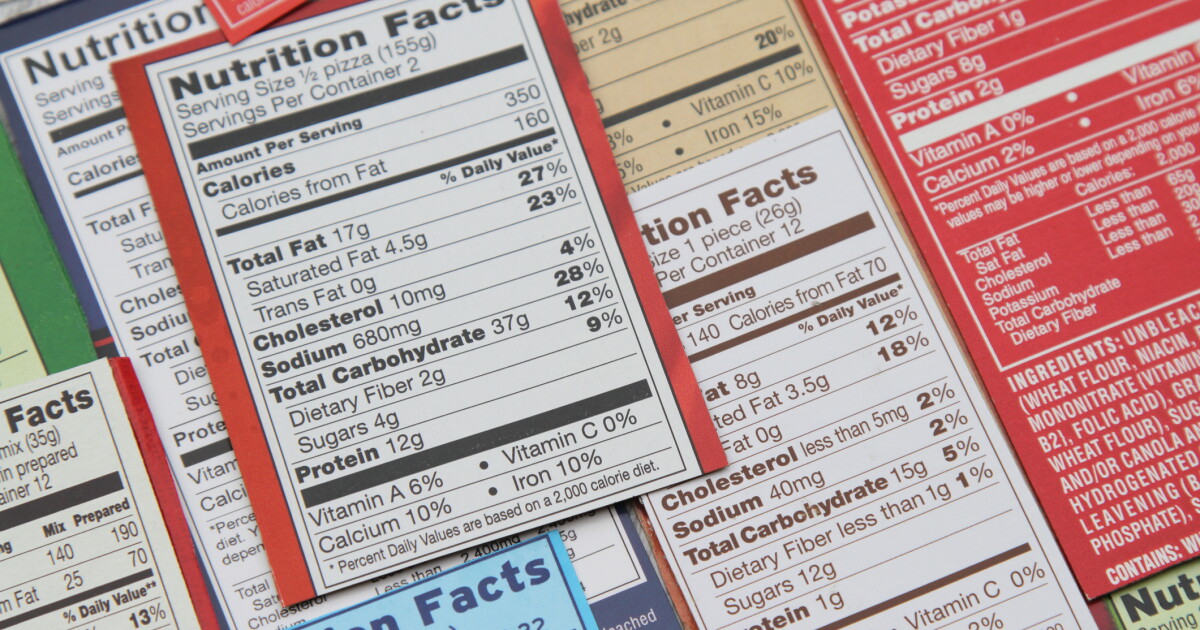
Yet, the idea that more protein equates to better nutrition is misleading. Most Americans already consume adequate amounts of protein, and its presence doesn’t negate the other components of the food—sodium, saturated fats, added sugars, and calories remain unchanged despite the high protein content advertised.
This scenario is reminiscent of past health trends, such as the low-fat craze, where cookies labeled “fat free” were mistakenly perceived as healthier. The takeaway is clear: while protein is beneficial, it is crucial to scrutinize the entire nutritional profile of a food item beyond its protein claims.
Ultimately, just as the halo effect might unjustly elevate the perception of a sibling’s behavior, it can also lead us to overestimate the healthfulness of protein-labeled foods. As for a protein donut? It might not deserve the same admiration.