The North Carolina Supreme Court has breathed new life into legal battles over COVID-19 restrictions, offering hope to bars seeking compensation for closures during the pandemic. These rulings could pave the way for bars and their operators to receive financial redress for the shutdowns mandated by former Governor Roy Cooper.
Two significant lawsuits are now set to continue: one involving several bars and their operators, and another brought by the North Carolina Bar and Tavern Association along with various private bars. Potential future court orders may result in the state being required to pay damages.
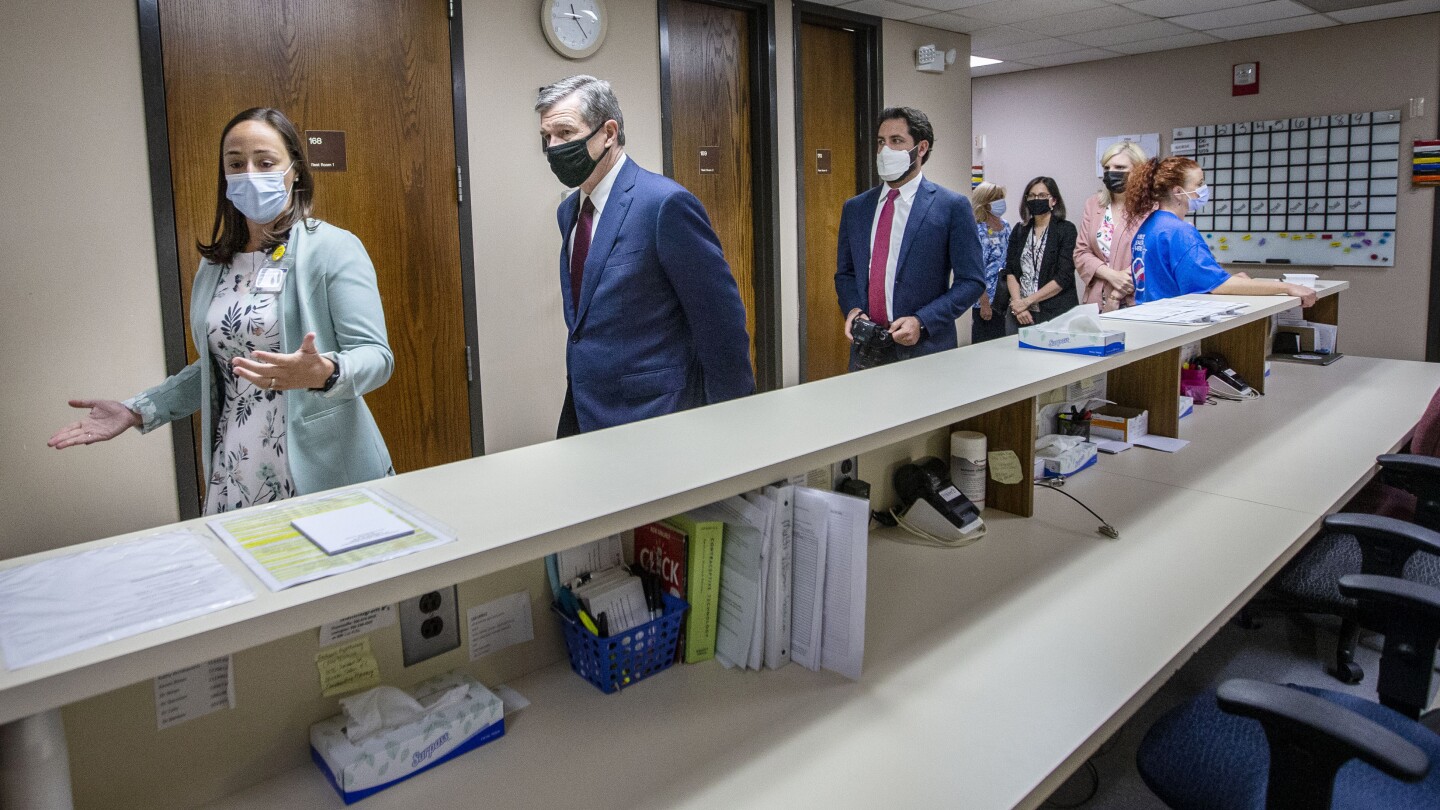
In response to the COVID-19 pandemic, Cooper, who is now running for U.S. Senate, initiated executive orders that closed bars as early as March 2020. While restaurants and breweries were allowed to serve alcohol under certain conditions by that summer, bars remained largely shut. Restrictions on bars, including time-limited outdoor service, persisted until May 2021, which plaintiffs argued made operations unprofitable.
Defending these measures, Cooper’s legal team argued they were guided by the best available scientific data to protect public health when vaccines were not yet widely distributed. Despite this, the state’s highest court allowed the lawsuits to progress. The court’s Republican majority dismissed the state’s argument that government immunity should halt the litigation, upholding a previous Court of Appeals ruling from two years ago.
Chief Justice Paul Newby acknowledged the challenges of the pandemic era, noting, “It is important to remember, however, that the Governor was not the only person facing uncertainty. Small business owners across the state dutifully shuttered their doors and scaled back operations without knowing exactly when they could open or operate fully again.”
The lawsuits argue that the restrictions violated constitutional rights and denied bar owners the ability to earn a living. While the court did not allow all claims to proceed, it ruled that plaintiffs could return to court to present evidence regarding the violation of their right to earn a living. Justice Phil Berger Jr. noted that the plaintiffs had “sufficiently alleged unconstitutional interference.”
However, the court’s Democratic justices disagreed with the majority’s decision. Justice Allison Riggs criticized the Bar and Tavern Association for not presenting an alternative plan to mitigate the virus’s impact. Justice Anita Earls, dissenting in a related case, accused the majority of overstepping by questioning policy decisions.
The state’s Attorney General’s Office, representing Cooper, is reviewing the rulings, while Cooper’s Senate campaign declined to comment. Meanwhile, the Bar and Tavern Association hailed the ruling as a “major victory.”
Association President Zack Medford emphasized their desire for fairness, stating, “From the beginning, we never asked for special treatment, only equal treatment.”
These rulings mark another chapter in the legal challenges faced by Cooper during the pandemic. In August 2024, the state Supreme Court sided with a small racetrack that defied gathering limits, allowing it to sue a top state health official.