Energy Bill Sparks Debate Over Tribal Consultation and Environmental Protection
Amid rising tensions in the legislative halls, a new energy bill endorsed by former President Trump has advanced through the U.S. Senate, gaining attention for its potential impact on tribal rights and environmental oversight. The Bipartisan American Affordability and Jobs Act (BAAJA), which aims to expedite energy project approvals, now awaits a decisive vote in the House before the conclusion of the current session of Congress.
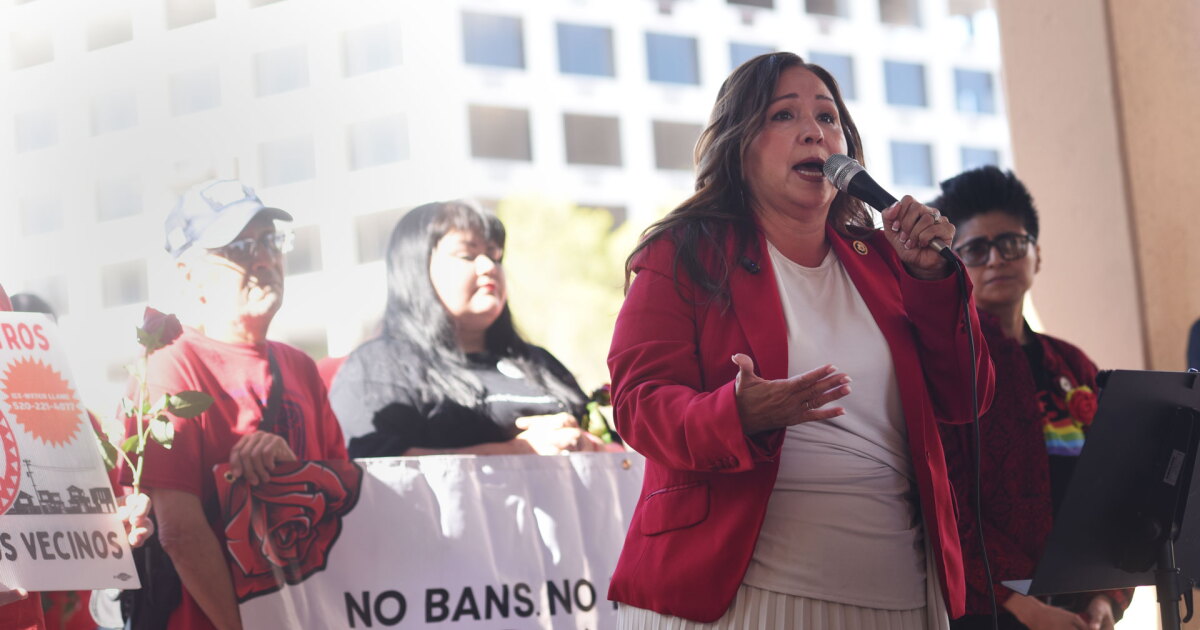
Arizona Democratic Congresswoman Adelita Grijalva has voiced her concerns regarding the implications of BAAJA. The legislation proposes changes to Section 106 of the National Historic Preservation Act, which could limit tribal consultation—a crucial tool for tribes to protect sacred sites. Grijalva expressed her disappointment, reflecting on her father, the late Congressman Raúl Grijalva’s legacy in environmental protection: “He would hate every bit of it — would be as vocal, if not more than I’m being, just because he was a part of helping to create so much of the protections that were all thrown out,” she lamented in a statement to KJZZ.
Senator Ruben Gallego, a former colleague of Raúl Grijalva and the first chair of the Subcommittee for Indigenous Peoples, made headlines by joining 13 other Democratic senators in supporting BAAJA. In contrast, Arizona’s senior Senator Mark Kelly opposed the bill. Congresswoman Grijalva remarked on their differing stances, noting, “I’m very glad that Sen. Kelly was able to see through all of that. I’ve been texting concerns to both senators and I unfortunately didn’t hear back with Gallego’s team.”
Defending his decision, Gallego acknowledged the ongoing need to address tribal concerns but emphasized the bill’s potential benefits. He stated from the Senate floor, “there is still work to be done” but championed BAAJA as “an important step forward” for job creation, reducing energy costs, and facilitating the clean energy transition.
As lawmakers prepare for the impending vote, the debate surrounding BAAJA underscores the complex balance between advancing energy initiatives and safeguarding environmental and tribal interests.
“`