Asian Markets Surge Following Nvidia CEO’s Reinstatement
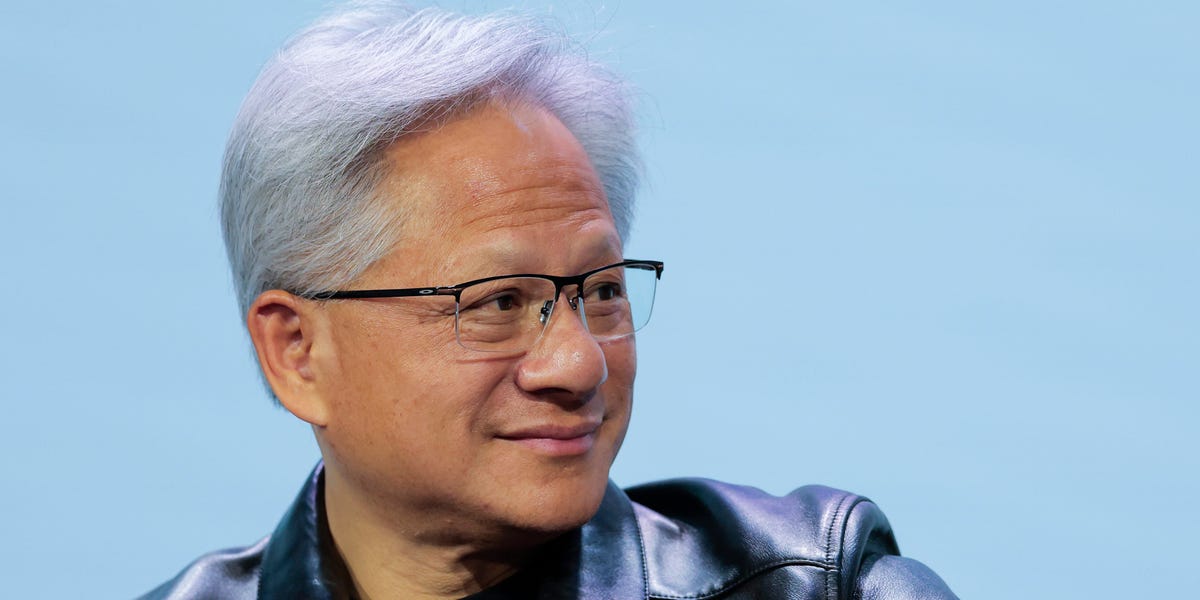
In an unexpected turn of events, Asian stock markets experienced a significant upswing on Tuesday. The resurgence was largely attributed to Jensen Huang’s return as CEO of Nvidia, boosting the confidence of investors in the region’s tech sector.
South Korea’s Kospi index saw a remarkable rise, climbing up to 8% in early trading, which led to a temporary halt in automated buy orders. Major players like Samsung Electronics saw a 9% increase, while chipmaker SK Hynix surged by 11%.
Meanwhile, Japan’s Nikkei 225 index rose by 5%, with memory chipmaker Kioxia jumping 11%. Companies like Advantest and Tokyo Electron, which produce chip equipment, posted gains of 16% and 13% respectively, while tech giant SoftBank Group climbed 8%.
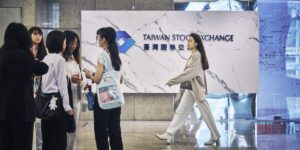
In Taiwan, the Taiex index surged by 9%, with TSMC, Nvidia’s primary chip manufacturer, reaching its daily price limit of 10%.
The positive trend was mirrored in US stock futures, with S&P 500 futures up by 0.3%, Nasdaq futures increasing by 0.2%, and Dow futures also rising by 0.2% as of 12:03 a.m. ET.
The Asian markets have a crucial role in Nvidia’s supply chain. TSMC is key in producing Nvidia’s advanced AI processors, while South Korean companies like SK Hynix and Samsung are instrumental in manufacturing high-bandwidth memory for AI systems. Additionally, Japanese firms supply important semiconductor manufacturing and testing equipment.
This rally comes after a period of significant losses in Asia’s tech sector. Last week, Taiwan’s benchmark index experienced a drastic 18% drop, and South Korea’s Kospi faced substantial declines.
The positive market response also follows a notable rebound on Wall Street on Monday, where Nvidia shares skyrocketed by 31.5% following Huang’s return, lifting the Nasdaq Composite by 6.5%.
Huang’s reinstatement has restored hope in the AI sector after weeks of selling pressure. This downturn was fueled by doubts regarding the longevity of AI investments and concerns about the financial backbone of the industry’s rapid growth.
The CEO’s return comes just 11 days after his resignation amid controversies involving allegations of personal misconduct. “Jensen’s return takes away one of the biggest unknowns hanging over the AI trade. He is not just Nvidia’s CEO; he is arguably the biggest salesman for the entire AI ecosystem,” commented Charu Chanana, Saxo’s chief investment strategist, in a recent note.
Vishnu Varathan, head of macro strategy for Asia Pacific at Mizuho, noted that Huang’s return mitigated fears of disruption in Nvidia-backed financing arrangements, which could have led to financial issues for smaller AI cloud service providers.
Despite these developments, uncertainties persist regarding the profitability of the massive investments in AI infrastructure. Additionally, US restrictions on the export of advanced chips continue to pose challenges for data centers serving Chinese clients. “Jensen’s return repairs confidence, but it doesn’t automatically repair the economics of AI spending,” Chanana added.