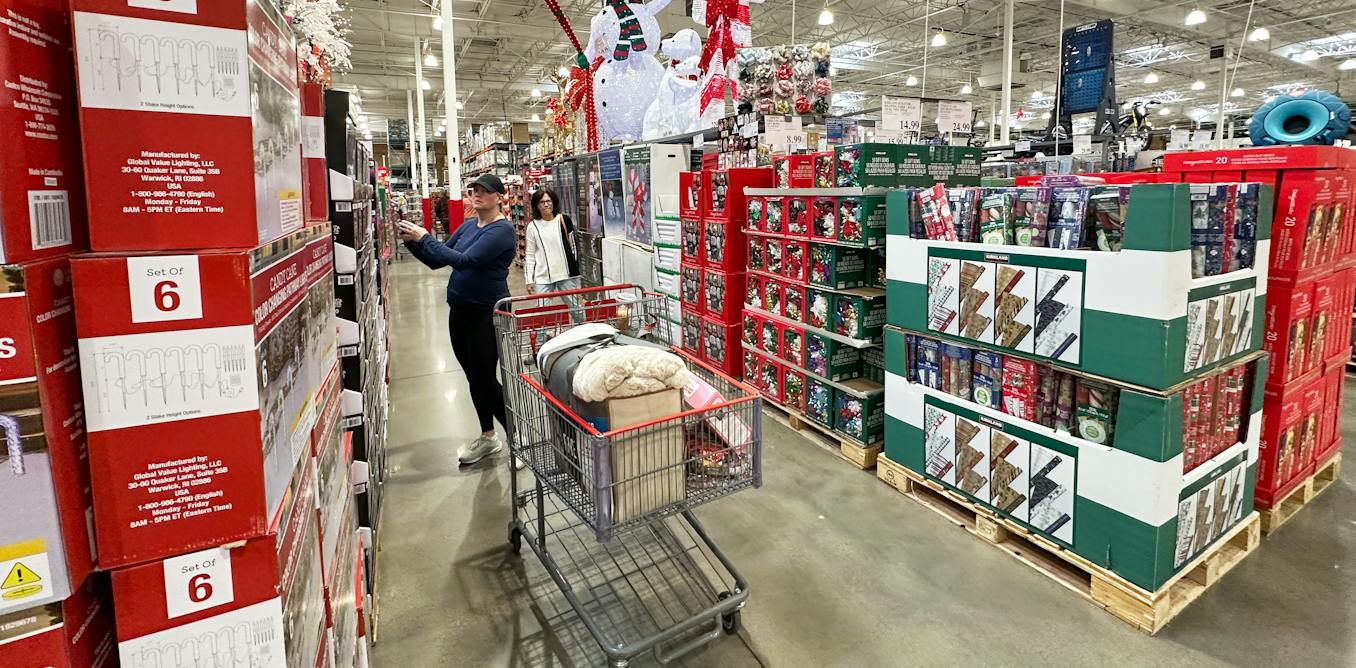
As the holiday shopping season gets underway, consumers are faced with a barrage of Black Friday deals. But with inflation concerns, wage stagnation, and stock market volatility influencing the economic landscape, there’s a looming question: Are U.S. consumers ready to cut back?
This question has long been a challenge for economists trying to reconcile steady spending with waning consumer confidence. As a supply chain researcher with experience in consumer goods, I’ve conducted studies revealing that spending remains robust, even when the economic outlook dims.
Earlier this year, I developed a model to evaluate the impact of the Iran conflict on global supply chains. Contrary to expectations, the influence on consumer behavior was muted. Despite Americans paying more at the pump due to disruptions in the Strait of Hormuz and facing tariff-induced inflation and high interest rates, consumer spending held strong.
Two factors seem to be at play: resilience and innovation. Americans continue to work, whether in traditional roles or gig jobs, sustaining their spending. Yet, maintaining this balance is increasingly challenging for many.
Exploring Resilience and Innovation
While resilience and innovation may appear commendable, they are often burdensome. Consumers are adapting by purchasing cheaper store brands, shopping at discount stores, or seeking deals. Dining at home instead of eating out and scaling back vacations are other adjustments.
Resilience also involves taking on additional work, a phenomenon known as the added worker effect. This effect was evident during the Great Recession when more married women entered the workforce. In 2026, there’s a surge in retirees returning to work and an increased participation of mothers with children in the workforce.
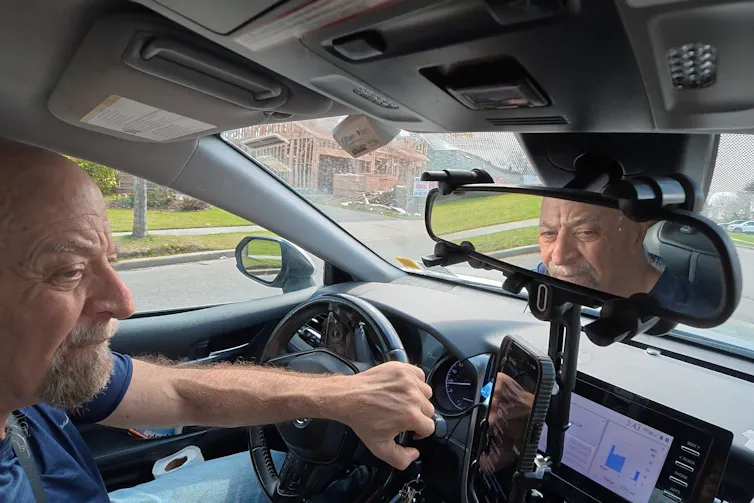
Alternative income sources are becoming vital, with about a third of workers engaging in side hustles like nannying, selling on Etsy, or working for Uber. This necessity highlights a decline in purchasing power from primary incomes.
AP Photo/Emily Wang Fujiyama
Resilience is also evident in community efforts, such as volunteering and charitable contributions. A food bank in my neighborhood, established during the COVID-19 pandemic, continues to support many. Nationally, donations to food banks have increased despite economic difficulties.
Charitable giving reached $617 billion in 2025, exceeding $600 billion for the first time, as food banks strive to meet the needs of those unable to afford essentials. Yet, the number of actual donors is declining.
Reaching the Limit
Many consumers are now exhausting their options.
While wealthier Americans maintain a robust spending pace, creating a facade of economic stability, others face a different reality. A quarter of families are spending beyond their means, evidenced by rising credit delinquencies and auto repossessions, as reported by the Atlanta Federal Reserve. Spending on essentials like food, healthcare, and housing consumes a larger share of income compared to a decade ago.
Those grappling with both car and student loans face particularly tough choices. Auto loan delinquencies, nearing a 10-year high, illustrate the challenges. Losing a vehicle can jeopardize employment, leading to dire financial outcomes. Frontline workers are also missing more shifts as gas prices rise.
The cornerstone of consumer spending is employment. The current job market, with unemployment at 4.1%, is vital. Should this trend continue and interest rates along with energy prices stabilize, consumers may manage to stay afloat. However, persistent inflation and potential rate hikes could reduce disposable income, impacting economic growth.
This scenario could trigger a chain reaction: rising unemployment and reduced discretionary spending, which has so far bolstered economic growth. The holiday season, however, may not accurately predict the future, as consumers prioritize making loved ones happy. The real test will begin in early 2027. Will the Federal Reserve raise rates? Will inflation persist? Will gas prices decrease?
Until these issues are resolved, we remain in a “bend but don’t break” phase. Despite the challenges of 2026, consumer resilience has been unexpectedly strong. Yet, whether this will hold in 2027 remains uncertain.