Legal Battle Intensifies Over Arizona Campaign Finance Subpoena
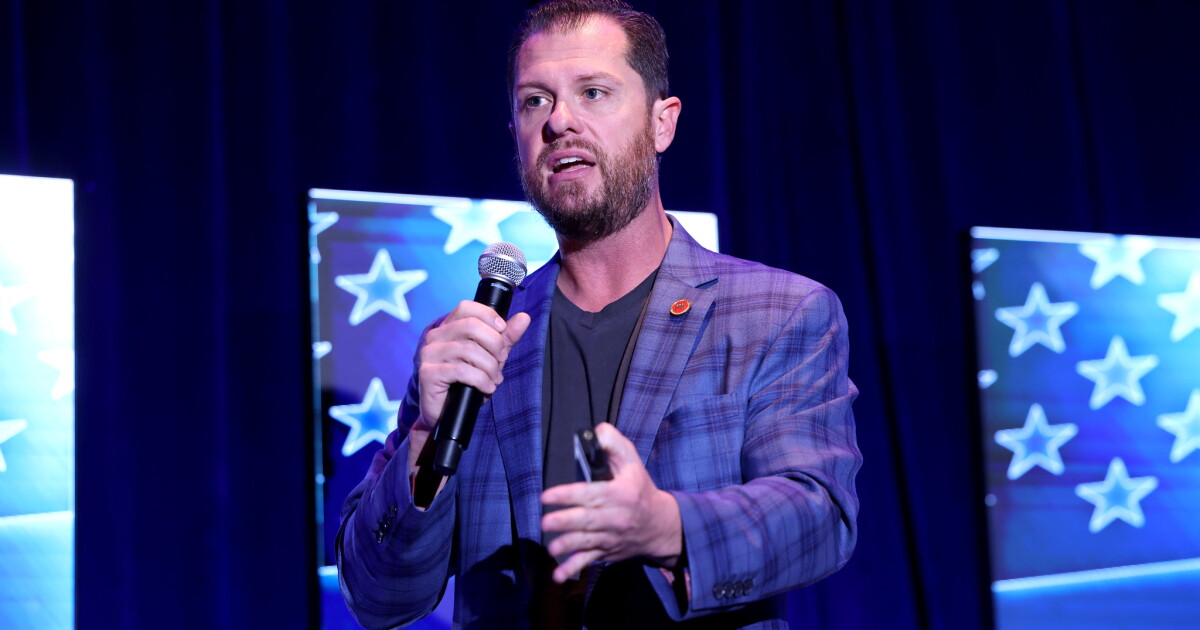
In a developing legal confrontation, Arizona state Senator Jake Hoffman is seeking judicial intervention to halt a subpoena directed at his company, amid a campaign finance investigation involving former candidate Ralph Heap. Hoffman’s company, 1Ten, is under scrutiny as part of allegations against Heap, who is accused of breaching campaign finance regulations.
Ralph Heap, a former Republican legislator and unsuccessful candidate for the Arizona Corporation Commission, faces accusations of failing to disclose the financial backers of his campaign materials. Specifically, Heap, who ran under the Clean Elections program, is alleged to have violated the rules by not revealing payments for campaign signs procured from Mesa Sign Shop.
The Clean Elections Commission, which oversees candidates who accept public funding, has expressed its belief that Heap has contravened state law, prompting an investigation. Additionally, the Secretary of State’s Office has referred the complaint to the state Attorney General’s Office for further examination.
The legal action, initiated by Hoffman in a federal court, claims that the subpoena infringes upon the First Amendment rights of his business. Represented by attorney and state Representative Alexander Kolodin, Hoffman argues that disclosing client information could deter future business engagements.
Hoffman, who supported Kolodin in his recent unsuccessful campaign for secretary of state, has raised concerns about the broad nature of the subpoena. It demands comprehensive documentation of financial activities related to Heap’s campaign managed by 1Ten, which Hoffman contends is excessively invasive.
The commission, however, maintains that quashing the subpoena would undermine its ability to uphold the integrity of the public funding process established by Arizona voters through the Citizens Clean Elections Act. According to the commission, the records are crucial to determine the legitimacy of campaign expenditures.
The commission highlighted Heap’s suspicious financial activities, noting discrepancies between reported payments and actual expenses for campaign signage. The commission’s response emphasizes that without access to these records, accountability for publicly funded campaigns could be compromised.
The court has yet to rule on the matter, with the deadline for the subpoena’s enforcement approaching. The outcome of this legal battle could set a significant precedent in the realm of campaign finance transparency and the scope of investigative authority.