Dramatic Reduction in Federal Water Conservation Funding in the Colorado River Basin
In a significant shift in federal policy, spending on water conservation initiatives in the Colorado River Basin has experienced a drastic reduction of over 70% during the early years of the Trump administration. According to a recent analysis, this cutback compares the period of the first 18 months of his presidency to the preceding 18 months.
Financial support for projects aimed at conserving water dropped from $675 million to $200 million across five key programs managed by the Department of the Interior and the Department of Agriculture. This reduction comes at a time when nearly three decades of drought conditions, exacerbated by climate change, have left the nation’s largest reservoirs at unprecedented low levels. Historically, federal funding has been crucial in maintaining water levels in these reservoirs.
The findings, detailed in a report by Prospect Partners and Hawk Eye Strategies, reveal that voluntary water conservation programs faced substantial cuts. Co-author Andrea Delgado noted, “They work because people choose to take part in them. If less funding is available, it means that these ranchers, these producers, these tribes have fewer choices and funding support available to them, so that they can take on conservation practices on their land.”
The report also highlights a decrease in staffing levels at the Natural Resources Conservation Service, which saw its workforce shrink from 11,817 employees at the end of 2024 to 9,160 by the end of 2025.
Local governments, such as those in the Phoenix area, have responded by reducing their water withdrawals from the Colorado River, leaving more water in Lake Mead. Financial assistance from the Inflation Reduction Act has been crucial in mitigating the impact.
Bernie Kluger, another co-author and former senior adviser to the Agriculture Secretary under the Biden administration, emphasized the impact of fewer field staff: “We’re seeing fewer farms, we’re seeing fewer ranches in fewer counties participating in these programs. It goes back to the reduction in the number of on-the-ground federal engineers who are going out and working with people hands-on, walking the land and helping them put together their grant applications.”
Kluger explained that much of the funding reduction was due to “deobligation,” which involves canceling existing contracts. “We have never seen anything on this scale in the nation’s history, where literally tens of thousands of contracts with farmers, ranchers and small business owners were canceled, and the money was clawed back,” he commented. “We’re actually seeing counties where there’s more money being taken out of existing contracts than being put into new contracts.”
Federal spending has been vital in helping the southwestern United States adjust to the drying Colorado River. The Biden administration has allocated billions for work on the river, with substantial payments directed to farming districts and urban areas to finance efficiency upgrades and reduce water consumption.
Currently, a coalition of businesses and environmental organizations is urging the federal government to allocate $2 billion for Colorado River projects.
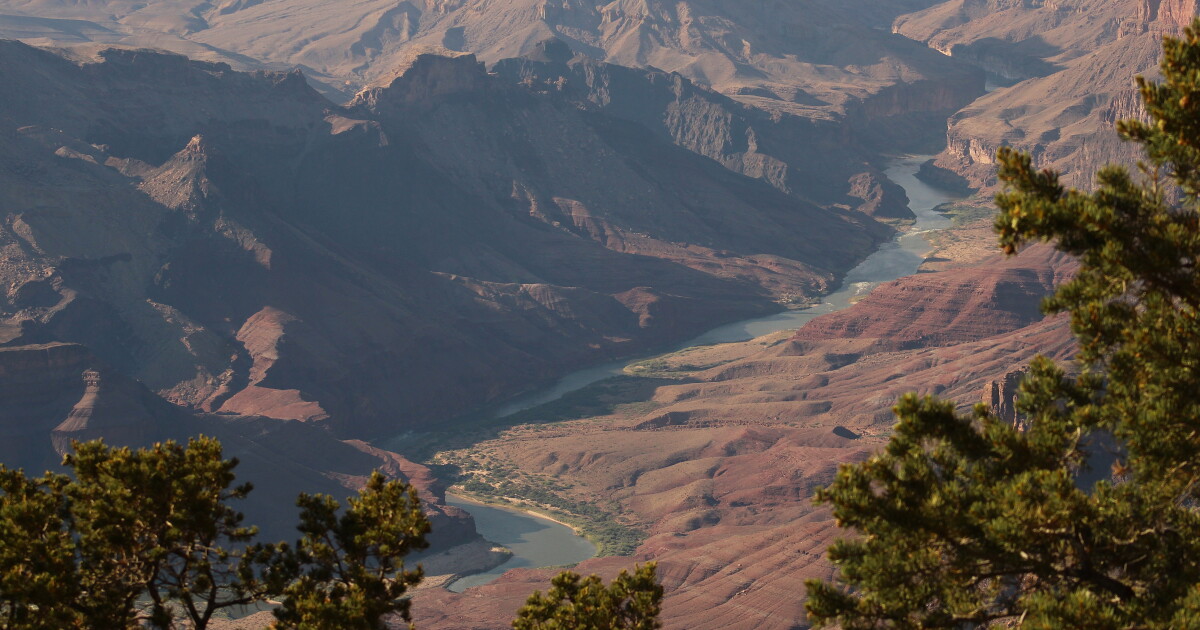
Investment cuts in the Colorado River’s Upper Basin states — Colorado, New Mexico, Utah, and Wyoming — amounted to a 73.3% decrease, while the Lower Basin states — Arizona, California, and Nevada — faced a 61.6% reduction. Despite these cuts, conservation work in upstream states remains crucial for Arizona and its downstream neighbors, as the Colorado River largely originates from snow in the Rocky Mountains, affecting water users downstream.