Flagstaff Seeks Federal Backing for Crucial Flood Control Initiative
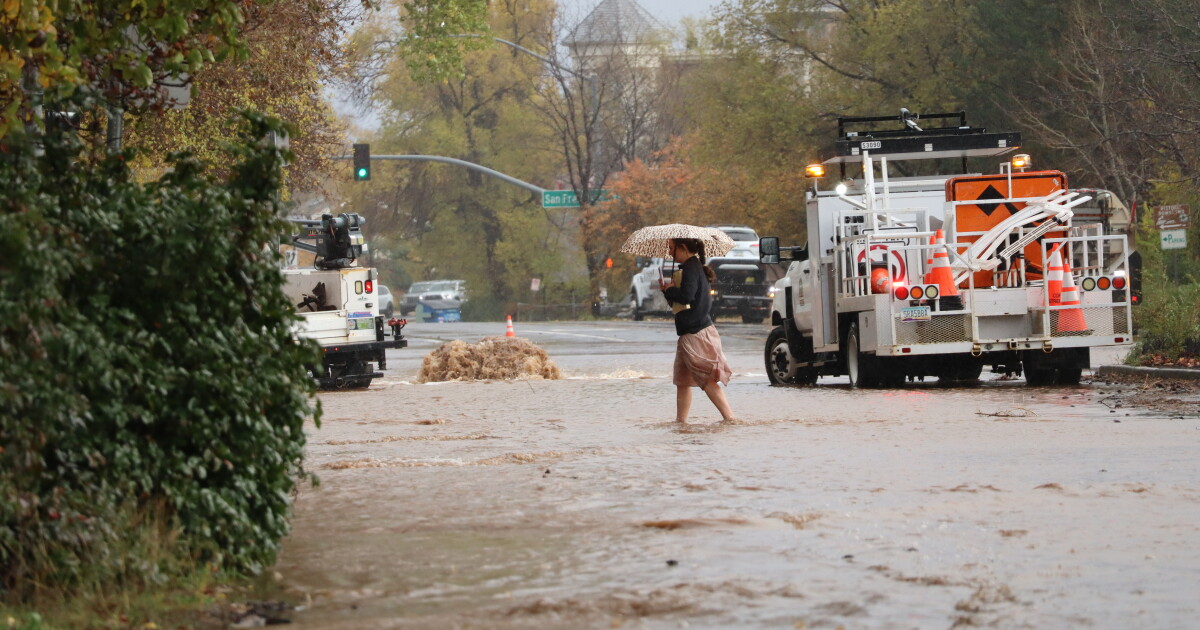
After catastrophic flooding led to fatalities and severe damage in Flagstaff earlier this month, local leaders and Arizona’s congressional representatives are urging federal intervention. Efforts are underway to enhance the city’s flood control systems to safeguard the community against future disasters.
The focus of these efforts is the Rio de Flag Flood Control Project, a long-standing initiative designed to protect around 1,500 properties in Flagstaff’s Southside district by rerouting the Rio de Flag watershed.
Flagstaff city officials have engaged with the U.S. Army Corps of Engineers in Washington D.C. to stress the importance of expediting the project’s timeline and avoiding additional delays.
U.S. Senators Mark Kelly and Reuben Gallego, along with Representatives Greg Stanton and Elijah Crane, have co-signed a letter emphasizing the urgency of the project. The letter describes the infrastructure improvements as “an immediate public safety necessity,” urging the Corps to adhere to the March 2027 construction contract deadline.
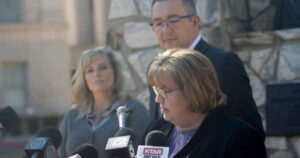
Flagstaff Mayor Becky Daggett remarked, “It’s something the Corps designs and the Corps pays for the majority of it. The city has done everything that we’ve needed to do- and that includes purchasing land from the BNSF railroad and purchasing private property along where the new channel of the Rio de Flag will flow.”
City of Flagstaff
/
Courtesy
“It’s been a complicated project, and it’s a huge project, but it really has taken more time than I think any of us here in Flagstaff would have liked to have seen,” Daggett noted.
Initiated over 25 years ago, the Rio de Flag Flood Control project has faced numerous bureaucratic setbacks. First authorized in 2000 under the Water Resources Development Act, the project has been re-authorized twice due to escalating costs.
Daggett explained, “as the project has increased in price, that’s when we’ve had to do some extra work to get that federal money assigned to address the cost increases.”
Flagstaff has already invested $12.5 million in smaller resilience measures, and the project’s current cost is estimated at $244 million. The city is responsible for 35% of this cost, with the remainder funded by the U.S. Army Corps of Engineers.
“I’m very appreciative of our senators and Congressman Crane for recognizing how critical this project is — and appreciative of BNSF and the Army Corps,” Daggett added. “I know this is a complex project, but I’ll keep emphasizing that we cannot afford one more delay. We have to get started next year, and get this project finished as soon as possible.”