
In a significant legal move, Miami Beach has taken a stand against the Florida Department of Transportation’s recent directive to eliminate street art installations, including rainbow crosswalks emblematic of LGBTQ pride. The city contends that the directive was issued without adhering to required legal processes.
Challenge to the Directive
On Thursday, Miami Beach filed a formal challenge with the state Division of Administrative Hearings. The city argues that the Department of Transportation’s June 30 memorandum bypassed the necessary rule-making procedures. As part of its challenge, Miami Beach seeks an administrative law judge’s intervention to halt the enforcement of the memo unless it undergoes the proper adoption process, which includes public commentary.
Attorneys for the city assert, “Memorandum 25-01 (the memo) does not merely provide guidance. It declares certain design features non-compliant, directs that they be removed, and mandates (Department of Transportation) district enforcement. It further authorizes FDOT itself to withhold state funds or directly remove installations if local governments do not comply. In this way, Memorandum 25-01 creates binding obligations and penalties not otherwise found in statute or rule, and alters the legal rights of local governments by categorically prohibiting features that remain permissible under existing standards.”
State orders removal of Fort Lauderdale street-art display that’s long gone. Why the mix-up?
Impact of the Directive
This directive has impacted various local governments and sparked controversy, especially for the removal of rainbow-themed crosswalks, including those near the Pulse nightclub in Orlando, a site of a tragic 2016 mass shooting.
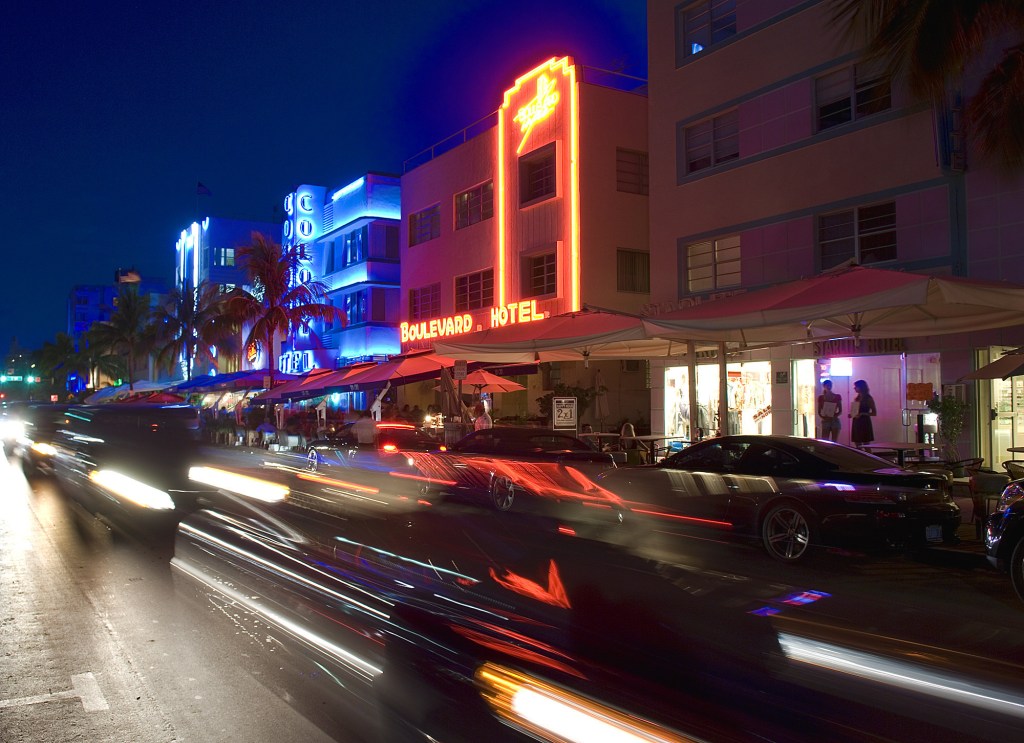
The Miami Beach filing specifies that the state’s directive targeted “terrazzo pavers” located at Ocean Drive and 12th Street, which are adorned in rainbow colors.
Safety Concerns and Legal Grounds
The Department of Transportation justifies the removal by citing safety concerns, stating, “Non-standard surface markings, signage and signals that do not directly contribute to traffic safety or control can lead to distractions or misunderstandings, jeopardizing both driver and pedestrian safety.” The memo further emphasizes the importance of uniform markings for the functionality of automated vehicles.
DeSantis seeks to blame Legislature for street-art crackdown. Lawmakers tell different story.
The memo references state manuals for legal authority, which detail standards for road design and maintenance. However, Miami Beach’s petition argues that the manuals and state laws do not introduce a total ban as specified in Memorandum 25-01.
City attorneys argue, “Each of these sources either permits limited use of decorative or colored pavement treatments under defined conditions or establishes a process for adopting enforceable standards by rule. Memorandum 25-01 goes further by vitiating those flexible standards and imposing a binding, statewide ban.”
Additionally, Miami Beach has filed a separate request for a hearing with the Department of Transportation.