The Debate Over National Guard Deployment in Black Communities

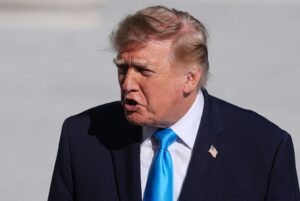
The contentious discussion surrounding President Donald Trump’s proposal to deploy National Guard troops to Black communities under the pretense of mitigating crime has ignited a range of responses. Trump has repeatedly asserted that Black individuals, especially women, have expressed support for this move, citing a mysterious “force of Black women” he claims to have seen on television. However, this narrative stands in stark contrast to sentiments from Chicago’s leadership and its citizens, who largely oppose such actions, as shown in polls.
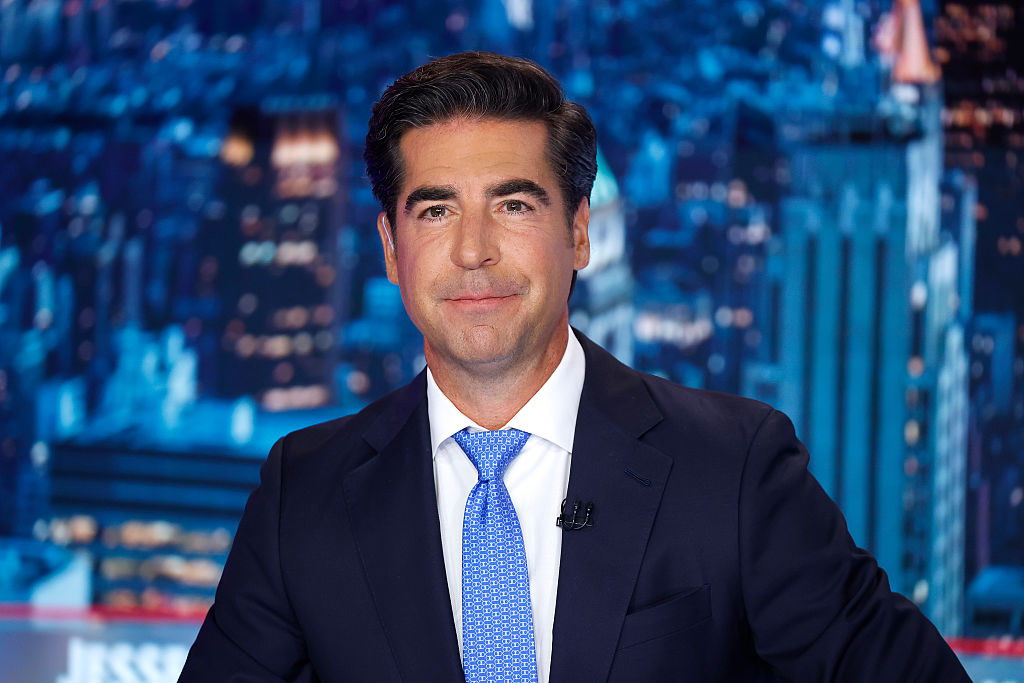
Jesse Watters, a host at Fox News, echoed Trump’s stance by stating, “Blacks are begging for the Guard in Chicago,” a claim made without any statistical backing. Watters’ assertion appears to be based on selective interviews with Black residents who favor the Guard’s presence, showcasing a reliance on confirmation bias. Meanwhile, community organizers in Chicago are actively preparing for potential troop deployment with apprehension, indicating feelings of increased vulnerability.
The debate extends beyond Chicago. Fox News claims that Trump’s crime strategies in Washington D.C. have significantly benefited Black residents, with supposed reductions in crime rates. This narrative aligns with a broader conservative agenda that often resurrects the “Black-on-Black crime” trope without acknowledging longstanding crime trends.
Stephen Miller, White House deputy chief of staff, further fueled controversy by accusing Washington D.C. protesters of misrepresenting Black voices, labeling them as “elderly white hippies” while neglecting the predominantly Black population of the city. This rhetoric exemplifies a pattern where white conservatives invoke Black communities only when it serves their political narratives.
Critics argue that such discussions distract from substantive issues affecting Black communities, like systemic racism and police brutality. The selective concern shown by politicians and media figures tends to disappear when topics such as DEI (Diversity, Equity, and Inclusion) or reparations are raised, revealing a pattern of using Black issues for political gain rather than genuine advocacy.
Trump’s Rhetoric and Black Voter Perception
During his campaign, Trump has attempted to draw parallels between his legal challenges and the discrimination faced by Black Americans, suggesting that this shared experience could translate to political support. However, such statements often clash with his actions, such as his administration’s previous bans on diversity training and promises to eliminate DEI programs.
In a speech, Trump implied that some individuals are inherently criminal, a remark reminiscent of past controversial statements about Black and Latino communities. This rhetoric, combined with his claims of support from Black voters due to his legal troubles, has drawn criticism for perpetuating harmful stereotypes.
As these discussions continue, they highlight the complex and often contentious relationship between political rhetoric and the realities faced by Black communities. The ongoing dialogue raises questions about the genuine intentions behind policy proposals and media narratives concerning Black Americans.
SEE ALSO:
‘What Up, My Nazi’: Fox News Hosts Mock ‘The Blacks’ By Reclaiming The ‘Nazi’ Pejorative
Trump Booed At US Open, As The Least Popular President Continues To Receive The Same Hate He Spreads