Veterans Face Deportation Amid Changing U.S. Immigration Policies
As the 2024 U.S. presidential elections loom, Sae Joon Park, a veteran of the U.S. Army, confronts a dire warning from an immigration officer: a potential deportation if Donald Trump is re-elected. This reality is faced by many veterans who have served the nation but now find themselves grappling with immigration challenges.
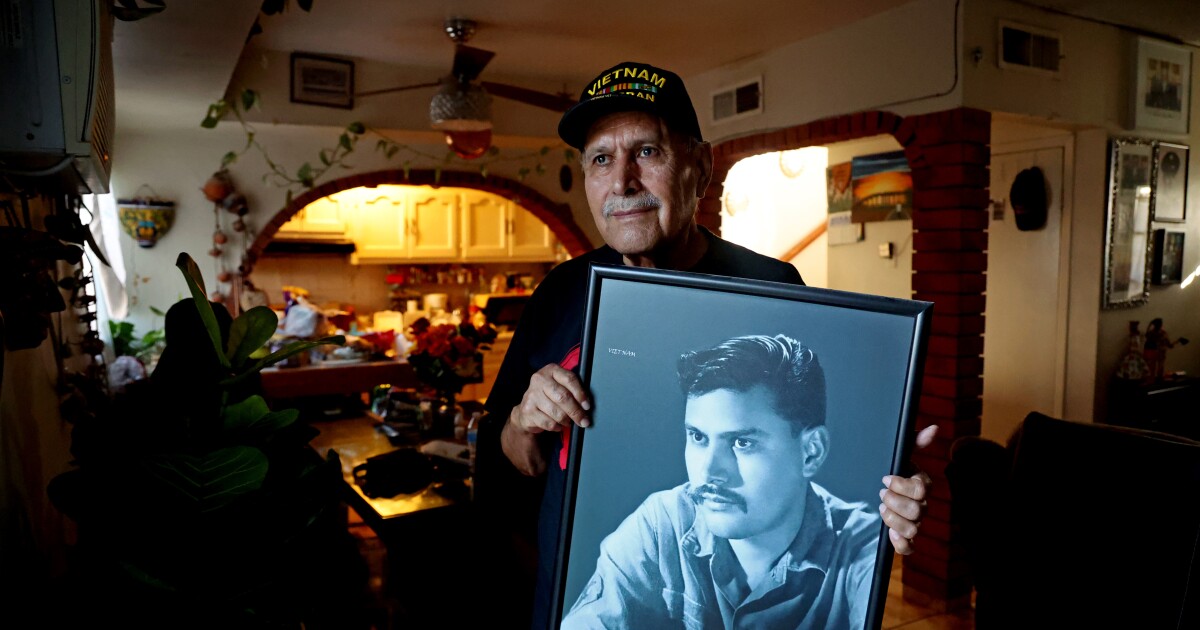
Park’s journey to America began at the age of 7, coming from Seoul, South Korea. He joined the Army at 19, driven by a commitment to serve his adopted country. His service earned him a Purple Heart after being wounded in Panama. However, post-military life was fraught with struggles, leading to PTSD, addiction, and legal troubles.
In 2009, drug possession charges led to his arrest. After a bail violation, Park served prison time with a looming deportation threat. His veteran status allowed him deferred action, permitting him to stay as long as he reported annually to immigration authorities. For 14 years, he complied, residing in Honolulu and building a new life.
However, in June, Park learned about a removal order against him. Facing possible detention, he opted to self-deport, fearing the conditions at detention centers like the controversial Alligator Alcatraz in Florida. “I was a legal resident. They allowed me to join, serve the country – front line, taking bullets for this country. That should mean something,” he said.
During Trump’s first presidency, immigration policies targeted noncitizen military personnel, complicating citizenship paths and enlistment for green card holders. Although these actions were not successful, they signaled a shift in policy focus.
Under the Biden administration, noncitizen military service was recognized as a “significant mitigating factor” in deportation decisions. However, this policy was rescinded under Trump, making deportation risks for veterans more pronounced.
Despite efforts to protect noncitizen veterans, cases like Park’s illustrate the precarious position of immigrants in the military. Lt. Col. Margaret Stock noted, “President Trump campaigned on a promise of mass deportations, and he didn’t exempt military members, veterans, and their families.”
Congressional efforts to safeguard immigrant service members and their families continue, with legislation pending that could offer green cards to service members’ parents and provide deported veterans a chance to apply for visas from abroad.
The Immigrant Military Members and Veterans Initiative (IMMVI), launched by the Biden administration, aims to aid deported veterans in accessing benefits and potentially returning to the U.S. Although it has facilitated some returns and citizenship grants, many veterans still face uncertainty.
In the absence of sufficient U.S. support, deported veterans like José Francisco Lopez find solace in community support networks such as the Deported Veterans Support House he established in Ciudad Juárez.
For Park, adjusting to life in Seoul after decades is challenging as he worries about being separated from his family in the U.S. Efforts to overturn his deportation continue, but skepticism remains. “This is not the country that I volunteered and fought for,” Park laments.