Unexpected Findings in Louisiana Challenge Voter Fraud Myths
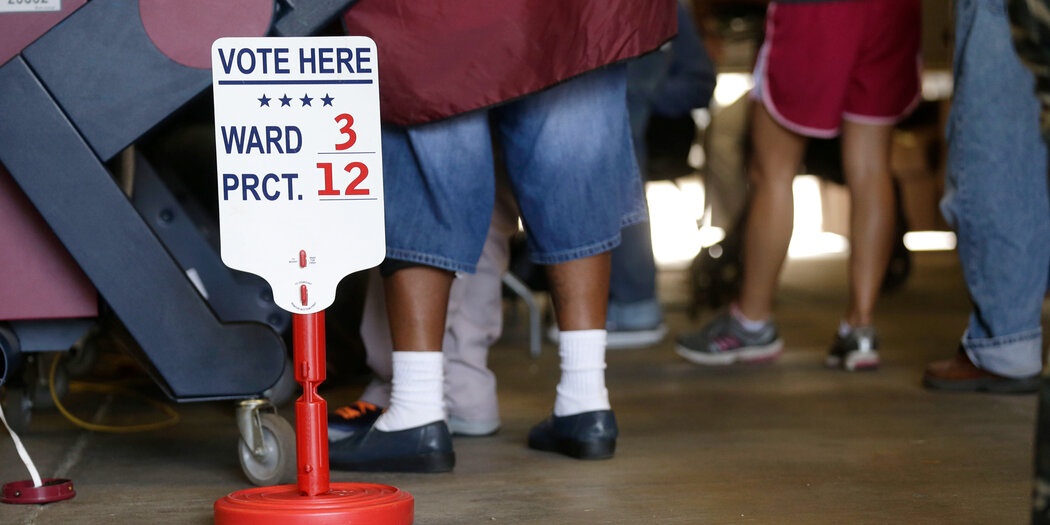
Amidst the charged atmosphere of American politics, a surprising revelation from Louisiana offers a glimmer of hope regarding the integrity of the voting system. Known for its colorful political history, Louisiana has delivered a striking report on the contentious issue of noncitizen voting.
Historically, Louisiana politics has been a tapestry of intriguing stories and rumors. Former Governor Earl Long humorously wished to be buried in the state to remain “involved in politics.” This colorful backdrop makes the recent announcement by Republican Secretary of State Nancy Landry all the more significant. Her report addressed the widespread belief that noncitizens are casting votes in large numbers.
In a press briefing, Landry revealed the findings of an extensive study. Over the past 40 years, only 79 potential noncitizen votes were identified, out of more than 74 million votes cast during that period. This represents a minuscule fraction of the electorate. The Secretary of State conceded that even these 79 cases might include errors, emphasizing, “Noncitizens illegally registering or voting is not a systemic problem in Louisiana.”
The evidence aligns with national trends. Systems are in place to ensure that only citizens vote, and such incidents are rare. Landry proudly stated, “I take great pride in the steps our office takes to maintain accurate voter rolls.”
Despite the rarity of noncitizen voting, any such occurrence is taken seriously. Louisiana has reached out to the individuals involved to verify their citizenship status, with potential legal consequences if they are found ineligible. However, studies consistently show the phenomenon is exceedingly rare. The Cato Institute, a libertarian think tank, concurs: “Noncitizens Don’t Illegally Vote in Detectable Numbers.”
This raises questions about the motives behind recent legislative actions. Last year, Louisiana enacted a law mandating proof of citizenship to vote, a move currently contested in court by the League of Women Voters and others.
Nationally, Louisiana Rep. Mike Johnson has pushed for the federal SAVE Act, requiring documents like a passport or birth certificate to register and vote. Research indicates that at least 21 million citizens lack immediate access to such documents. Additionally, many women might face difficulties due to name changes after marriage. Johnson himself admitted that the issue is hard to prove, yet he insists, “we all know intuitively” it’s happening.
Despite these claims, Landry’s findings contradict the need for such stringent measures. These unsubstantiated allegations are used to promote restrictive voting policies. Earlier this year, a federal court blocked an executive order from President Trump demanding passports for voter registration, after a lawsuit challenged its legality. Moreover, the Justice Department has requested voter information from at least 27 states, amid ongoing efforts for voter roll purges, which risk disenfranchising eligible voters.
These tactics contribute to undermining trust in elections and fueling anti-immigrant sentiments. While the Louisiana report may not immediately change many perspectives, it serves as a reminder that American elections remain secure, and voters can participate with assurance. In a polarized political climate, providing factual counterpoints to rumors is essential for maintaining the integrity of the democratic process.