Amid ongoing debates about crime prevention and public safety, recent actions by the current administration have sparked considerable discussion. From deploying the National Guard on the streets of California cities to assuming control over Washington, DC’s police department, these moves have raised eyebrows regarding federal involvement in local law enforcement.
Despite administration claims of addressing a crime emergency, data from local police indicate a continuous decline in crime across several cities, including DC. Historical evidence suggests effective crime prevention relies on tailored strategies that address a city’s unique needs, rather than heavy-handed measures like military deployment, which may yield only short-term results.
Local Solutions for Local Problems
Crime prevention strategies are most effective when led by local authorities who understand the intricacies of their communities. These local leaders are familiar with the root causes of crime, available resources, and trusted community figures. In complex jurisdictions like Washington, where the justice system is split between local and federal control, vacant judgeships and court delays further complicate the situation.
Different cities face varying challenges, necessitating bespoke solutions. For instance, while one city may successfully reduce homicides, another might struggle with carjackings. The federal government can assist by providing financial support and sharing effective practices from other regions. However, deploying military forces is unlikely to address these issues effectively.
Proven Strategies for Crime Reduction
Community-targeted interventions and investments have demonstrated success in reducing crime. These strategies often enjoy bipartisan support. Cities like Newark and Chicago have implemented violence prevention programs that deescalate conflicts, contributing to reductions in violence. One initiative reduced shooting and homicide arrests by over 60 percent among participants.
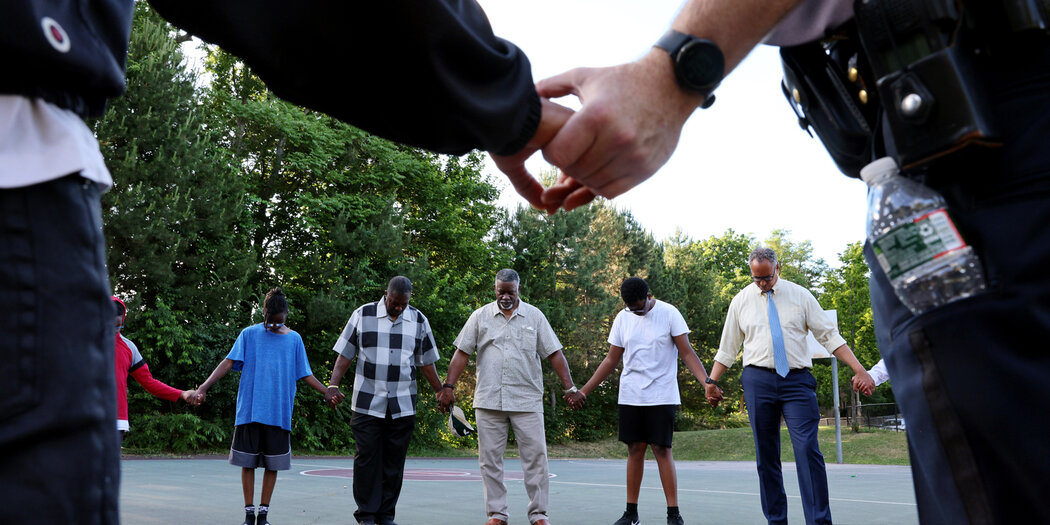
Building trust between law enforcement and communities is crucial. A study revealed that positive, nonenforcement interactions can enhance police legitimacy and community cooperation. Programs like those in Boston have reduced violent crime charges by engaging youth in meaningful activities. Additionally, investing in green spaces and lighting can create safe, communal areas that deter crime.
Solving crimes also requires addressing evidence backlogs and staffing shortages in investigative units. By doing so, more crimes can be solved, enhancing trust and reducing violence cycles. Recidivism can be reduced through evidence-based programs, such as in-prison education and criminal record sealing, which help individuals reintegrate into society.
Understanding Crime Trends
Contrary to administration narratives, crime affects both urban and rural areas, as well as regions led by Democrats and Republicans alike. During the pandemic’s early years, violent crime rose nationwide, impacting communities of all political leanings. However, crime rates have since plummeted, with the national murder rate dropping by a record 16 percent last year, continuing a multiyear decline.
Major cities like New York, Philadelphia, and Chicago have reported significant decreases in murder rates. In Washington, DC, violent crime has decreased by 33 percent through midyear compared to 2024. Although some cities still grapple with elevated crime rates in specific categories, the overall narrative of a national crime wave is misleading.
To sustain progress in crime reduction, investment in proven strategies is crucial, rather than cutting funding for community-based initiatives. Crime prevention should emphasize building trust and leveraging evidence-based practices over performative displays of force.