Michigan House Passes Bills to Fund Road Repairs
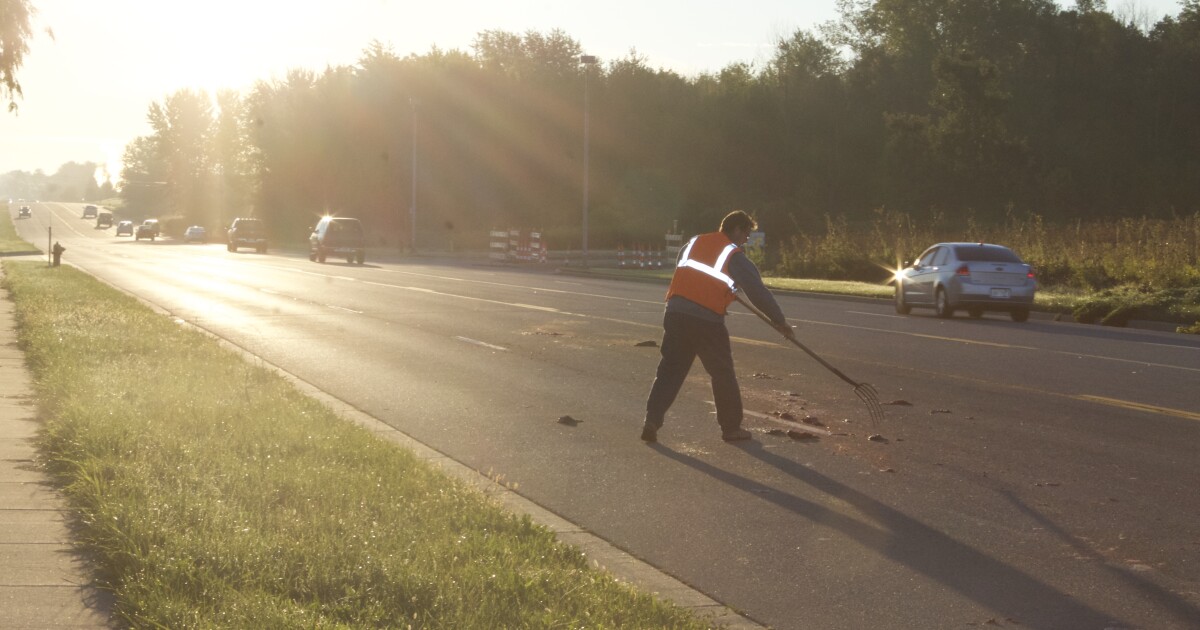
The Michigan House of Representatives recently approved a set of bills aimed at financing road repairs in the state. This move comes as part of a bipartisan agreement between Democratic and Republican leaders in the legislature and the governor’s office, just days before the new fiscal year commences.
Key Funding Sources
The legislation involves generating additional revenue from marijuana sales and allocating a portion of corporate income taxes to establish a new Neighborhood Road Fund. These funds are intended to address the pressing issue of fixing local roads, as highlighted by Lance Binoniemi from the Michigan Infrastructure and Transportation Association.
Impact of the Roads Deal
Officials estimate that the roads deal will allocate $2 billion towards repairs, although this falls short of previous proposals that aimed at $3 billion. Despite the shortfall, Binoniemi emphasized that the $2 billion would still make a significant difference in addressing immediate road maintenance needs. He also stressed the importance of considering long-term solutions for sustainable road funding.
Budget Implications
The approval of the roads funding paves the way for lawmakers to move forward with a state budget proposal, with a looming deadline to avoid a partial government shutdown if the budget is not adopted by Wednesday. This uncertainty has raised concerns among K-12 schools, which have been operating without a state budget to guide their financial planning.
Schools’ Concerns
Robert McCann, the executive director of the K-12 Alliance of Michigan, expressed worries about the lack of clarity regarding the budget deal and its potential impact on schools. Of particular concern is the proposal to eliminate sales tax revenue on gas, which traditionally contributes significant funds to school budgets. McCann highlighted the need for lawmakers to ensure that schools do not suffer as a consequence of funding reallocation for road construction.
Future Plans
While lawmakers have promised to address the funding gap for schools, specific details on the replacement funding have not been made public. The ongoing negotiations and budget discussions indicate the complexity of balancing competing financial needs in the state.