
Autism and Tylenol: Unfounded Claims Stir Varied Reactions Across the U.S.
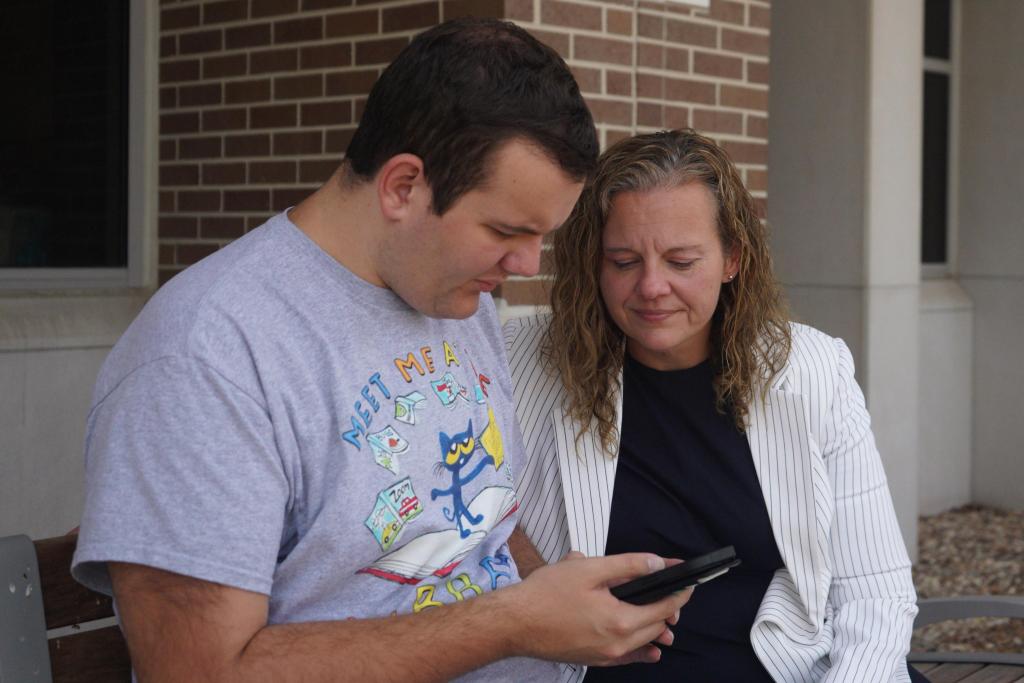
Recent remarks by President Donald Trump regarding autism and the use of Tylenol during pregnancy have sparked a broad spectrum of responses from families and individuals affected by autism. While some find hope in the attention being directed towards autism by the government, others express concern over unproven claims and perceived blame directed at mothers.
The controversy began when President Trump suggested that pregnant women should avoid taking Tylenol, also known as acetaminophen, and reiterated discredited ideas linking vaccines to autism. Despite some studies suggesting a potential association between acetaminophen and autism, no definitive causal connection has been established. Moreover, the scientific community has consistently debunked any link between vaccines and autism, attributing the condition largely to genetic factors.
Reactions from Families and Experts
Dr. Noa Sterling, an OB-GYN, voiced concerns about Trump’s comments, noting the anxiety they may cause for parents of autistic children. “There’s this kind of narrative that you have to be careful of absolutely everything you do in pregnancy,” Sterling explained, highlighting the fear that actions during pregnancy might harm the baby.
Several mothers, including Dani Derner from Texas and Rachel Deaton from Indiana, expressed their disappointment, feeling that blame was being unfairly placed on women. Derner noted the difficulty in avoiding medications during pregnancy, while Deaton reflected on the uncertainty surrounding autism’s causes. Kelly Sue Milano from California echoed these sentiments, emphasizing the disproportionate responsibility placed on mothers.
Autistic individuals themselves also reacted to the discourse, with some rejecting the notion that autism should be “cured.” Dani Bowman, CEO of DaniMation Entertainment, stated, “It is part of who we are,” highlighting the identity aspect of autism. Similarly, Katy Thurman from Kentucky criticized the idea of eradicating autism, pointing out more pressing issues facing the country.
Hope for Change and Research
On the other hand, some saw potential in the increased focus on autism. Matt Murphy, a father of twin boys with profound autism, found hope in the government’s attention to the issue. He emphasized the need for lifetime support for individuals with profound autism and welcomed federal investment in research.
Judith Ursitti, leading the Profound Autism Alliance, was encouraged by the acknowledgment of “profound autism” at a national level and the commitment to research funding. However, she acknowledged the diverse reactions within the autism community, noting the confusion and hurt felt by some due to the language used in discussions.
The dialogue around autism and Tylenol has highlighted the varied perspectives within the autism community, reflecting broader societal divides. As the conversation continues, the focus remains on balancing scientific understanding with the lived experiences of those affected by autism.
___
Associated Press video journalists River Zhang and Nathan Ellgren in Washington and Obed Lamy in Indianapolis contributed to this report.
___
The Associated Press Health and Science Department receives support from the Howard Hughes Medical Institute’s Department of Science Education and the Robert Wood Johnson Foundation. The AP is solely responsible for all content.
Originally Published: