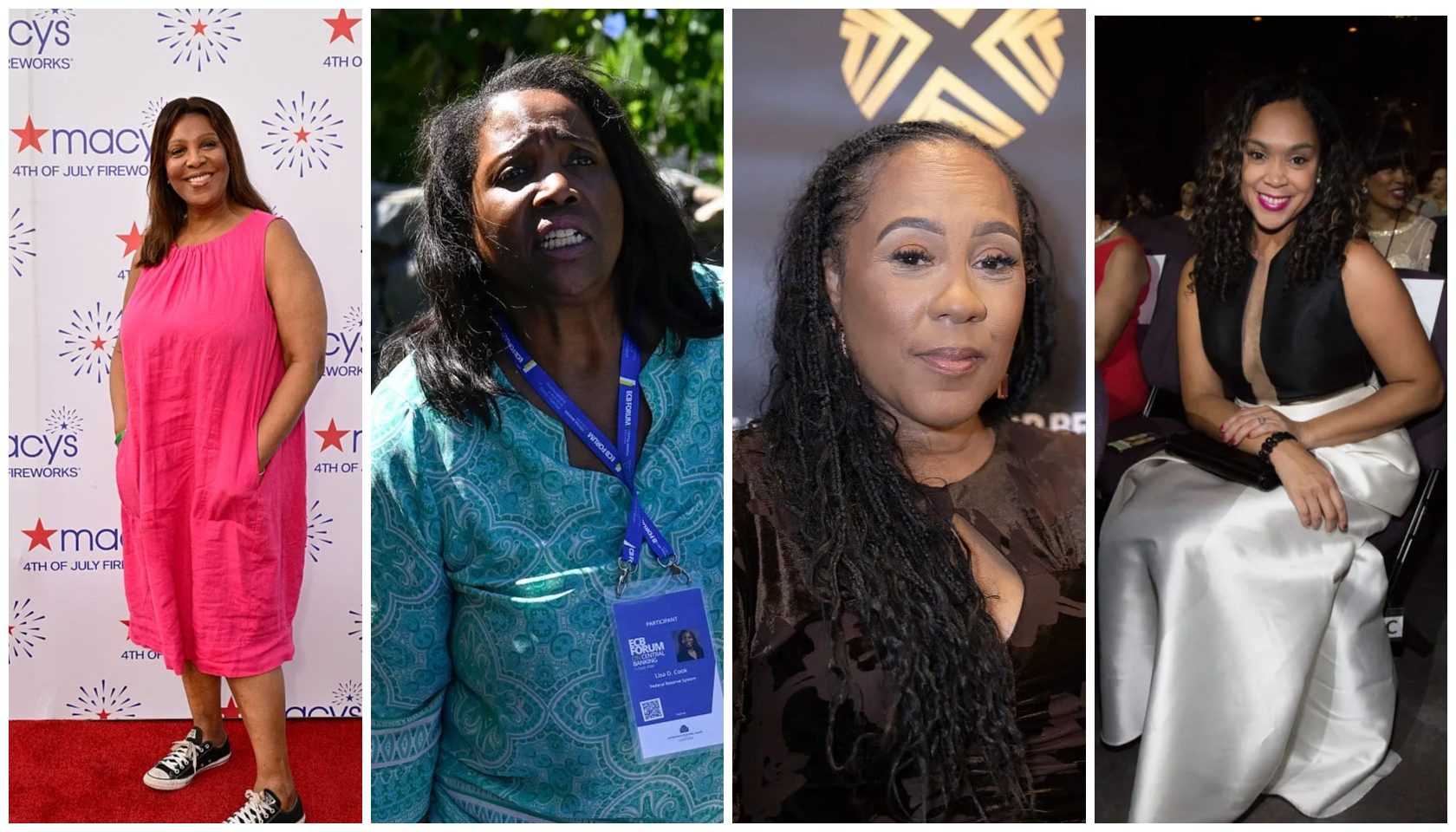
The pursuit of power by Black women in the United States has been met with fierce resistance, as evidenced by a string of legal battles involving notable figures like Letitia James, Fani Willis, Marilyn Mosby, and Lisa Cook. These women, who have risen to prominence in sectors ranging from law to economics, are now facing allegations of mortgage and bank fraud, charges that critics argue are politically motivated attempts to undermine their authority.
Targeting Black Women in Power
Letitia James, the New York Attorney General known for her criticism of Donald Trump, has been indicted by a federal grand jury over alleged bank fraud. The charges, which she denies, focus on misstatements related to a mortgage application. James’ indictment is seen as part of a broader pattern of targeting Black women who hold influential positions.
Marilyn Mosby, a former prosecutor who famously charged police officers in the death of Freddie Gray, was previously convicted of mortgage fraud—a conviction that was overturned on appeal. Despite the reversal, Mosby faced significant reputational damage, an outcome some attribute to her challenging of entrenched power structures.
Lisa Cook, who serves as a Governor at the Federal Reserve Board, is reportedly under investigation for allegedly misrepresenting her primary residence. As the first Black woman on the Federal Reserve Board, Cook’s presence challenges long-standing racial and gender norms in economic policymaking.
Legal Battles and Political Motives
The use of mortgage fraud charges against these women highlights the complexities of financial regulations and the potential for their misuse as political tools. As Dr. Stacey Patton notes, “It’s about power, intellect, and the terror of seeing a Black woman at the center of America’s financial brain trust.” These legal actions are often initiated with the intent to discredit rather than seek justice.
Fani Willis, who took the bold step of indicting Donald Trump for election interference, has also faced scrutiny over her personal finances and ethics. Such tactics aim to intimidate those who dare to challenge established power, with the ultimate goal of undermining their authority without needing a conviction.
The Broader Implications
This pattern of targeting Black women in positions of power sends a chilling message to others who aspire to similar roles. The allegations and investigations serve as warnings that their professional and personal lives will be subject to intense scrutiny. The charges against these women, rooted in technicalities, reflect broader societal tensions around race, gender, and power.
These cases underscore the ongoing struggle for equality and justice in America, as Black women continue to navigate and challenge the very systems that have historically marginalized them. The resilience of leaders like Letitia James, Marilyn Mosby, Lisa Cook, and Fani Willis serves as a testament to their determination to not only withstand these challenges but to also pave the way for future generations.