In a significant display of military collaboration, the 66th UNITAS maritime exercise commenced on September 15, 2025, at the renowned Camp Lejeune in North Carolina. This global exercise, the longest-running of its kind, sees over 2,000 U.S. Marines uniting with forces from 25 allied nations to enhance their amphibious warfare and regional security capabilities.
Notable Developments
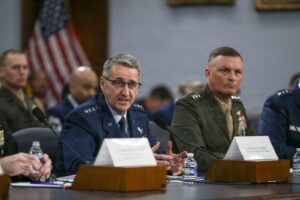
UNITAS 2025 marks a historic change for the Marine Corps, with its amphibious phase stationed at Camp Lejeune for the first time. Traditionally held in South America, the exercise’s new venue allows for a larger scale operation. LtGen Leonard F. Anderson IV, the commander of Marine Forces South, noted, “UNITAS is a premier event for us to train alongside our allies and partners in a combined force.” He emphasized the exercise’s role in fostering a more integrated naval expeditionary force with the U.S. Navy and strengthening the combined amphibious combat power.
The exercise underscores multinational collaboration. Marines collaborate with military personnel from Argentina, Brazil, and 13 other countries for the amphibious segment, honing shared tactics and techniques. A notable example is the U.S. Marines’ 2nd Reconnaissance Battalion training in close air support with Brazilian counterparts, enhancing tactical expertise and communication in critical situations.
Urban warfare training is a key component of UNITAS 2025. U.S. and partner nation Marines conducted patrols in urban settings at Camp Lejeune, engaging in coordinated tactical exercises that enhance realism. Such training highlights the role of MARFORSOUTH in deterring threats throughout the Americas, focusing on rapid crisis response.
Advancements in Technology
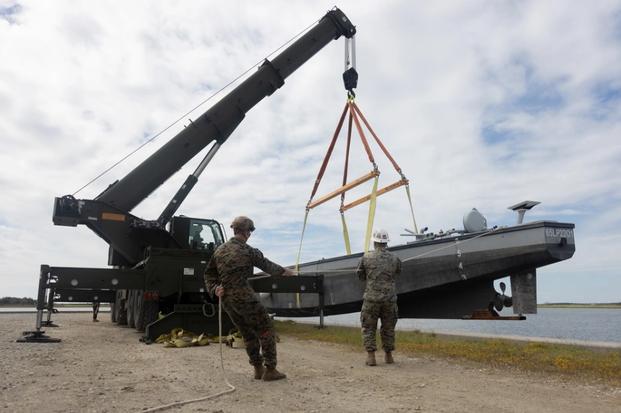
The exercise also features cutting-edge technology, with the Marine Corps Warfighting Laboratory showcasing innovations. The Autonomous Low-Profile Vessel (ALPV) is a key highlight, being tested by the 2nd Marine Logistics Group for its refueling and logistics capabilities. This unmanned vessel, capable of transporting various supplies, enhances strategic agility in contested environments and aligns with the Marine Corps Force Design 2030.

UNITAS 2025 underscores the Marine Corps’ dedication to hemispheric unity and its ability to execute a full-spectrum demonstration of littoral combat power. The exercise’s realistic scenarios deter aggression and strengthen collective response capabilities. Anderson describes it as forging a “more integrated naval expeditionary force,” enhancing alliances and ensuring security across the Americas.