Detroit Mayoral Race: A Closer Look at Candidate Mary Sheffield’s Vision for the City
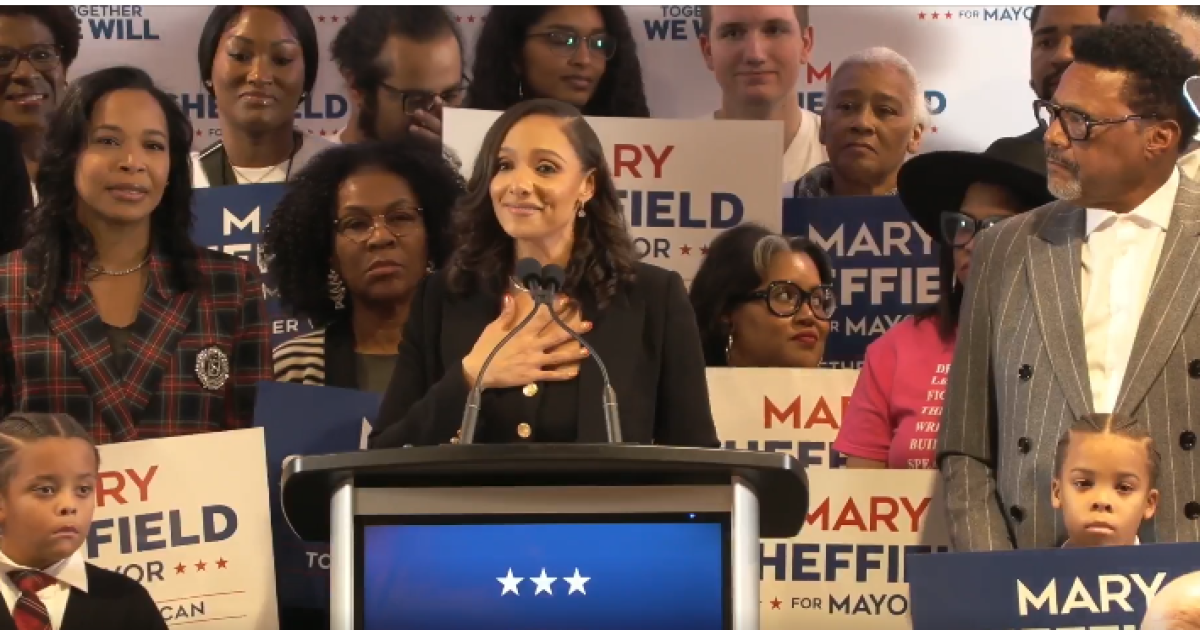
As Detroit gears up for its mayoral election on November 4, residents are weighing their options between the two candidates on the ballot: the Rev. Solomon Kinloch Jr. and current Detroit City Council President Mary Sheffield.
Sheffield recently sat down with Michigan Public’s Morning Edition host Doug Tribou to discuss her vision for the city and her plans if elected as mayor.
Top Priorities
When asked about her top three priorities if elected, Sheffield emphasized the importance of neighborhood development as her primary focus. She highlighted the need to bring back amenities to commercial corridors, improve neighborhood infrastructure, and provide residents with access to grants for beautification and home repairs.
Additionally, Sheffield underscored the significance of housing, mentioning the city’s $1 billion investment in affordable housing. She expressed her desire to focus on paths to homeownership, create more single-family housing, and prevent homelessness in Detroit.
Lastly, Sheffield emphasized the importance of building Detroit’s middle class, aiming to increase the overall quality of life in the city and attract and retain residents.
Neighborhood Development and Business Growth
Discussing neighborhood development further, Sheffield highlighted ongoing efforts to streamline processes for businesses looking to open in Detroit. By reforming zoning and permitting requirements, the city aims to attract grocery stores, restaurants, and coffee shops to neighborhoods beyond the downtown area.
Sheffield also mentioned the Corridor Improvement Authority as a tool to reinvest taxes into areas for development, accelerating growth in commercial corridors.
Affordable Housing and Vacant Lot Utilization
Regarding affordable housing, Sheffield acknowledged the issue of vacant lots resulting from blight removal efforts in Detroit. She referenced Philadelphia’s turnkey initiative program as a potential model for Detroit, where vacant city-owned land is repurposed for low-income or affordable housing development.
Sheffield outlined incentive programs such as property tax reductions based on rent decreases and down-payment assistance initiatives to promote the construction of affordable single-family homes in the city.
As the mayoral race continues to unfold, Sheffield’s vision for Detroit’s future offers insights into her priorities and strategies to address key issues facing the city.
Detroit mayoral candidate Mary Sheffield recently discussed her vision for the city and highlighted the importance of focusing on neighborhoods, safety, and building strong relationships with the state of Michigan. Sheffield, who has served on the city council for Mayor Mike Duggan’s three terms, emphasized the need for affordable housing and community development.
One of Sheffield’s key points was the importance of addressing housing affordability. She mentioned the need for gap funding to support developers in creating housing for middle-income individuals and affordable pathways. By exploring opportunities to provide financial support, Sheffield aims to ensure that housing remains accessible for all residents.
In terms of public safety, Sheffield acknowledged the progress made in reducing crime rates over the past 12 years. While violent crime has decreased significantly compared to the previous year, Sheffield emphasized the importance of changing the perception of crime in Detroit. She highlighted the need for community policing strategies that build trust within neighborhoods and support initiatives like the Mental Health Co-response Unit within the Detroit Police Department.
Regarding Detroit’s relationship with the state of Michigan, Sheffield underscored the city’s reliance on strong partnerships and collaborations with state leaders. She expressed her commitment to building on existing relationships to secure funding for essential programs like community violence intervention and transit initiatives. Sheffield emphasized that Detroit’s success has a ripple effect on the entire region, emphasizing the need for continued cooperation between the city and state leadership.
In conclusion, Mary Sheffield’s mayoral campaign focuses on key priorities such as affordable housing, public safety, and fostering positive relationships with state officials. By addressing these critical areas, Sheffield aims to build a more vibrant and prosperous future for Detroit and its residents.