President Trump Urges Senate to End Filibuster Amid Government Shutdown
In a bid to end the ongoing government shutdown, President Donald Trump is calling on the Senate to eliminate the filibuster, allowing the Republican majority to bypass Democrats and reopen federal operations. Trump took to social media, specifically Truth Social, to emphasize the urgency of the situation, stating, “THE CHOICE IS CLEAR — INITIATE THE ‘NUCLEAR OPTION,’ GET RID OF THE FILIBUSTER.”
The filibuster, a Senate tactic that prolongs or prevents votes on legislation by extending debates, currently requires 60 votes to overcome. This hurdle has enabled Democrats to impede swift decisions, especially pertaining to the government shutdown that commenced on October 1, coinciding with the start of the new fiscal year.
President Trump’s plea to discard the filibuster could potentially revolutionize Senate proceedings and negotiations. Having contemplated this move extensively during his return from Asia, where he engaged with various foreign leaders, Trump expressed frustration over the shutdown’s impact on the government’s functioning and the economy.
Impacts of the Government Shutdown
The repercussions of the government shutdown are palpable across the nation, affecting citizens from different walks of life. Alaskans are preemptively stocking up on essential supplies like moose, caribou, and fish before potential disruptions in the SNAP food aid program. Similarly, Mainers are refilling their home-heating oil tanks while awaiting elusive federal subsidies.
The shutdown’s ripple effects extend beyond individual households to broader concerns like travel disruptions, delayed flights during the holiday season, and financial uncertainties for federal workers deprived of paychecks. Moreover, the escalating costs of health insurance are exacerbating the stalemate on Capitol Hill, highlighting the urgency for prompt resolution.
Challenges and Negotiations
Senator Lisa Murkowski of Alaska emphasized the critical need to end the shutdown, underscoring the diminishing food resources in her state and the escalating distress among constituents. Despite ongoing bipartisan discussions and efforts to find common ground, the impasse persists, with Saturday’s deadline looming large.
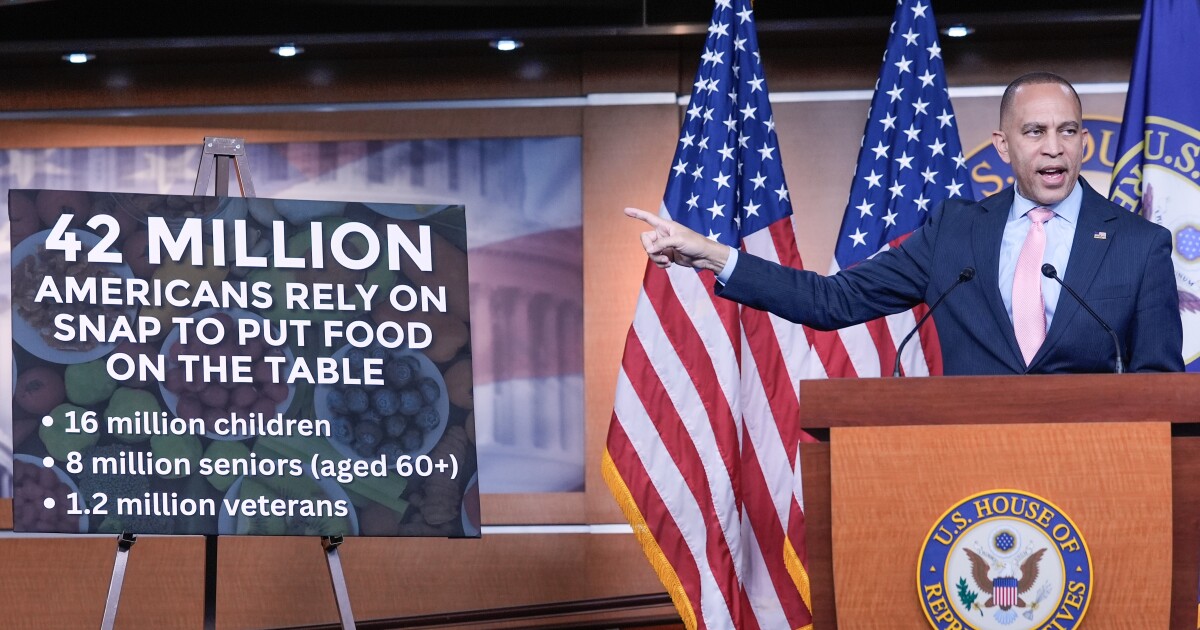
While the White House has prioritized military funding amidst the shutdown, it has refrained from allocating resources to sustain food aid programs like SNAP. Notably, recent legislative actions have resulted in substantial cuts to SNAP, affecting millions of beneficiaries and raising concerns about food insecurity if federal support remains elusive.
In a tumultuous political environment, the U.S. government shutdown, now in its 30th day, shows no signs of imminent resolution. The House remains closed under President Johnson’s administration, while Senators are gearing up to depart for a long weekend. With the shutdown potentially extending into another week, it could become the longest in history, surpassing the previous 35-day lapse during Trump’s first term.
The upcoming off-year elections, including the New York City mayor’s race and gubernatorial elections in Virginia and New Jersey, are expected to serve as a pivotal point for both Democrats and Republicans to reassess their political standing with voters. Senate Majority Leader John Thune expressed hope that the election outcomes might prompt a breakthrough in negotiations to reopen the government.
Amidst the shutdown chaos, Republicans find themselves in an unusual position of defending furloughed federal workers and programs they have previously sought to cut. Recent reductions in Trump’s tax breaks and spending bill have impacted programs like Medicaid and SNAP food aid, with new work requirements exacerbating the situation for recipients.
House Democratic Leader Hakeem Jeffries criticized Republicans for withholding food aid and emphasized the need to uplift the quality of life for American citizens. While Republicans have justified the work requirements as a means to eliminate waste and fraud, Democrats argue that these measures disproportionately affect vulnerable populations.
As negotiations remain at a standstill, the looming expiration of federal subsidies that offset rising health insurance costs adds another layer of urgency to the situation. Democrats advocate for maintaining these subsidies, while Republicans suggest addressing the issue post-government reopening.
The deadlock persists, leaving many Americans grappling with uncertainty and the looming threat of unaffordable healthcare. As the shutdown drags on, the impact on federal workers, essential services, and the economy continues to deepen, underscoring the urgent need for bipartisan cooperation to reach a resolution.