Analyzing and Presenting the Dispute Over Foster Care Funding in Kent County, Michigan
A recent legal battle has unfolded in Michigan over the funding of foster care oversight in Kent County, raising concerns and questions about the future of child welfare services in the region. The West Michigan Partnership for Children (WMPC) filed a lawsuit against the Michigan Department of Health and Human Services (MDHHS) after its funding was cut, leading to a heated courtroom debate over legal obligations and service continuity.
Judge’s Concerns and Legal Arguments
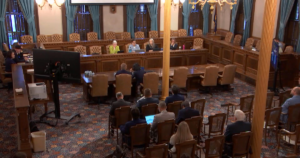
Judge Christopher Yates presided over the case and expressed reservations about issuing an injunction against MDHHS while acknowledging a potential legal pathway for WMPC to secure its funding. The crux of the legal dispute revolves around whether MDHHS violated the law by refusing to renew its contract with WMPC and provide the necessary funding for foster care oversight in Kent County.
WMPC sought declaratory relief from the court, stating that MDHHS was legally obligated to fund the organization. However, Judge Yates highlighted the complexities of issuing an injunction, noting that it would be a drastic measure. The courtroom discussions underscored the intricacies of the case, with both parties presenting compelling arguments.
Origins of the Dispute and Foster Care System Overview
The funding dispute stems from Michigan’s budget negotiations and the absence of specific language in the appropriations bill earmarking funds for WMPC’s foster care system in Kent County. The unique “performance-based” foster care model implemented by WMPC aimed to improve outcomes for children by emphasizing family placements and reducing time in foster care.
While WMPC argued that state laws mandate a performance-based system for Kent County, MDHHS contended that the legislative intent was not explicitly against WMPC but rather a budgetary omission. The courtroom drama shed light on the intricacies of child welfare reforms and the operational challenges faced by foster care oversight agencies.
Implications and Future Scenarios
The legal battle between WMPC and MDHHS has far-reaching implications for child welfare services in Kent County and potentially beyond. The fate of WMPC hangs in the balance as Judge Yates deliberates on the case and considers the future of foster care oversight in the region.
As the courtroom saga continues, the fundamental question remains: How will the legal system reconcile the competing interests of ensuring child welfare, complying with legal mandates, and managing budgetary constraints in the realm of foster care services?
New Article:
Exploring the Impact of Climate Change on Global Agriculture
Climate change continues to be a pressing issue worldwide, with its effects being felt across various sectors, including agriculture. Recent studies have shed light on the significant impact of changing climate patterns on global food production. Understanding these effects is crucial in developing strategies to mitigate potential risks and ensure food security for the growing global population.
According to a recent report by the Intergovernmental Panel on Climate Change (IPCC), climate change is projected to have a profound impact on agriculture, affecting crop yields, water availability, and soil quality. The report highlights that rising temperatures, changing precipitation patterns, and extreme weather events are among the key factors contributing to these challenges.
One of the key findings of the report is the potential decline in crop yields in many regions due to the changing climate. As temperatures rise, certain crops may struggle to adapt, leading to reduced productivity. Additionally, changes in precipitation patterns can result in droughts or floods, further impacting crop growth and food production.
Furthermore, the report emphasizes the importance of sustainable agricultural practices in mitigating the impact of climate change. Implementing measures such as conservation agriculture, crop diversification, and efficient water management can help build resilience against changing climate conditions and ensure food security for the future.
In response to these challenges, governments, international organizations, and agricultural stakeholders are increasingly focusing on climate-smart agriculture practices. This approach involves integrating climate adaptation and mitigation strategies into agricultural systems to promote sustainable food production while reducing greenhouse gas emissions.
Addressing the impact of climate change on agriculture is crucial for global food security and environmental sustainability. By understanding the challenges and implementing proactive measures, the agricultural sector can adapt to changing climate conditions and continue to meet the growing demand for food in a sustainable manner.