The streets of Port-au-Prince were jolted by gunfire on November 13, 2025, when suspected gang members launched an attack on U.S. Marines stationed at the American embassy. This incident represents the latest flashpoint in Haiti’s ongoing struggle with gang violence.
Firefight at the Embassy
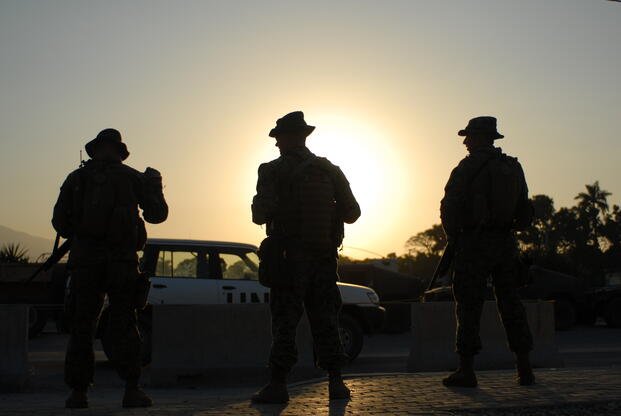
The confrontation began as armed individuals, allegedly linked to the Viv Ansanm gang alliance, targeted Marines involved in embassy security duties. Marine Corps statements confirm that the Marines responded in kind, neutralizing the attackers without any injuries to their side. Captain Steven J. Keenan, a Marine Corps spokesperson, confirmed the details, emphasizing the absence of Marine casualties.
Persistent Unrest in Haiti
The capital, Port-au-Prince, remains under the grip of influential gang federations, with coalitions like Viv Ansanm claiming control over a significant portion of the city. The escalation of violence in 2025 has led to more than 4,200 deaths and displaced over 1.3 million individuals nationwide. United Nations statistics reflect the severity of the situation, documenting at least 5,600 gang-related fatalities last year, with no sign of a downturn. In response, Haitian police and international allies have launched offensives against gang territories, which have been met with further threats and public fear.
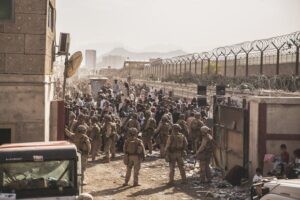
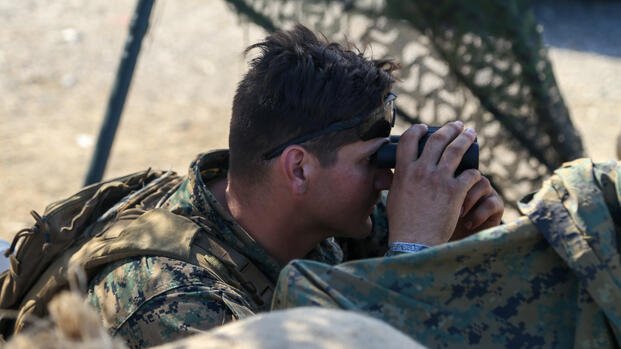
Marines tasked with embassy protection are on high alert in such a volatile setting. They follow stringent engagement protocols to ensure safety amid daily challenges. The U.S. State Department continues to enforce a Level 4 travel advisory for Haiti, advising extreme caution due to prevalent criminal activities and unrest. Embassy operations have been scaled down to essential functions, and movement outside the premises is severely limited. A recent alert from the U.S. Embassy highlighted the potential for broad protests and rising gang activities, urging personnel to minimize travel.
Historical Context of U.S. Involvement
The firefight at the embassy is reminiscent of previous U.S. military interventions in Haiti. In March 2024, a specially trained Marine unit was dispatched to secure the embassy during a similar crisis, facilitating the safe evacuation of non-essential personnel and strengthening security protocols. This deployment echoes past missions, such as the humanitarian aid provided following the 2021 earthquake and Tropical Storm Grace, where U.S. forces from various branches coordinated relief efforts.
The broader scope of U.S. military actions in the Caribbean, including historical interventions in Haiti during tumultuous periods, is detailed in a Military.com timeline that highlights congressional insights. While these initiatives have not always led to lasting peace, they shape current strategies.
Future Considerations
The recent embassy attack raises concerns about the U.S.’s ongoing role in Haiti absent a large-scale intervention. State Department officials acknowledge that Haiti’s instability poses a threat to U.S. safety, with one spokesperson stating, “The United States remains committed to supporting the Haitian people in their efforts to restore security and democratic governance.” However, as gangs call for mobilization, the challenges for Marines and diplomats are mounting.
Currently, the embassy functions as a fortified enclave in a city under siege, with Marines leading the defense. Their presence, though primarily protective, represents U.S. interests in maintaining regional stability. As Haiti navigates its crisis, events like these underscore the human toll and the imperative for global collaboration.