U.S. Military Presence in Trinidad and Tobago: Prime Minister Updates Stance
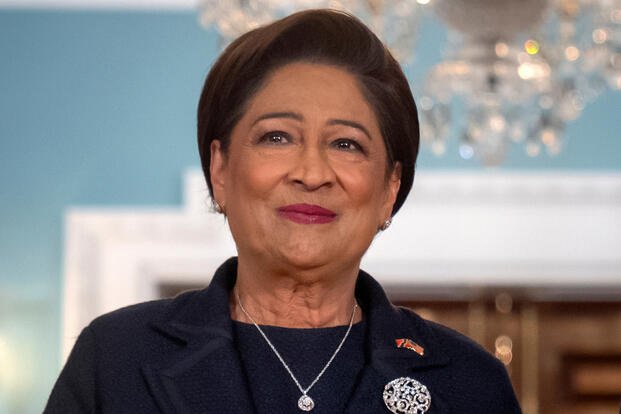
The presence of U.S. Marines in Trinidad and Tobago has recently come under scrutiny following updates from Prime Minister Kamla Persad-Bissessar. Initially stating that no American forces were stationed on the islands, Persad-Bissessar later clarified that Marines were indeed present in Tobago, involved in crucial radar, runway, and road enhancement activities.
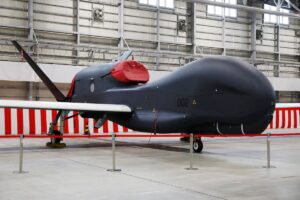
“They will help us to improve our surveillance and the intelligence of the radars for the narco-traffickers in our waters and outside our waters,” Persad-Bissessar noted, though she withheld further specifics.
Despite the prime minister’s comments, the nation’s attorney general and ministers of defense and homeland security have not provided additional information. The objectives of the U.S. radar-related work remain somewhat ambiguous, with questions about whether it involves installing new systems or upgrading existing ones left unanswered.
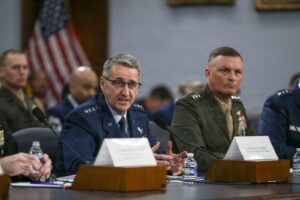
Persad-Bissessar’s recent meeting with Gen. Dan Caine, the chairman of the Joint Chiefs of Staff and a key adviser to U.S. President Donald Trump, further highlighted the complex dynamics between the two nations. She emphasized that the U.S. had not requested Trinidad as a base for operations against Venezuela, with no mention of the neighboring nation in recent dialogues.
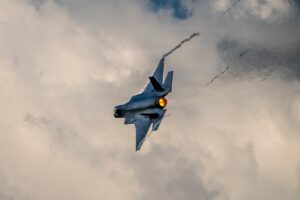
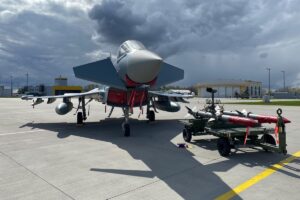
Military activities in the region have increased, evidenced by the landing of U.S. military aircraft in Tobago for refueling purposes. This reflects a broader U.S. strategy, as seen earlier this year when the U.S. approached Grenada about deploying temporary radar systems, though the island’s response remains undisclosed.
The geopolitical landscape is shifting, with the Caribbean seeing the most significant American military presence in decades. This move is interpreted by some as pressure on Venezuelan President Nicolás Maduro to step down, given the proximity of Caribbean nations to Venezuela.
In a related development, Dominican Republic President Luis Abinader has agreed to permit temporary U.S. access to strategic areas, enhancing efforts against drug trafficking. This decision came during an announcement alongside U.S. Defense Secretary Pete Hegseth.
Ongoing U.S. military operations, which commenced in September, have reportedly resulted in at least 83 casualties linked to anti-drug trafficking missions.
For further information on Latin America and the Caribbean, visit AP’s dedicated coverage.