Imagine a scenario where you’re on the hunt for a new home and you’re faced with a dilemma.
Option one is an attractive house in California, ideally situated near reputable schools and ample job prospects. However, this dream home comes with a steep price tag, nearly a million dollars, with the median home price in California at $906,500, and mortgage rates have surged by 82% since January 2020.
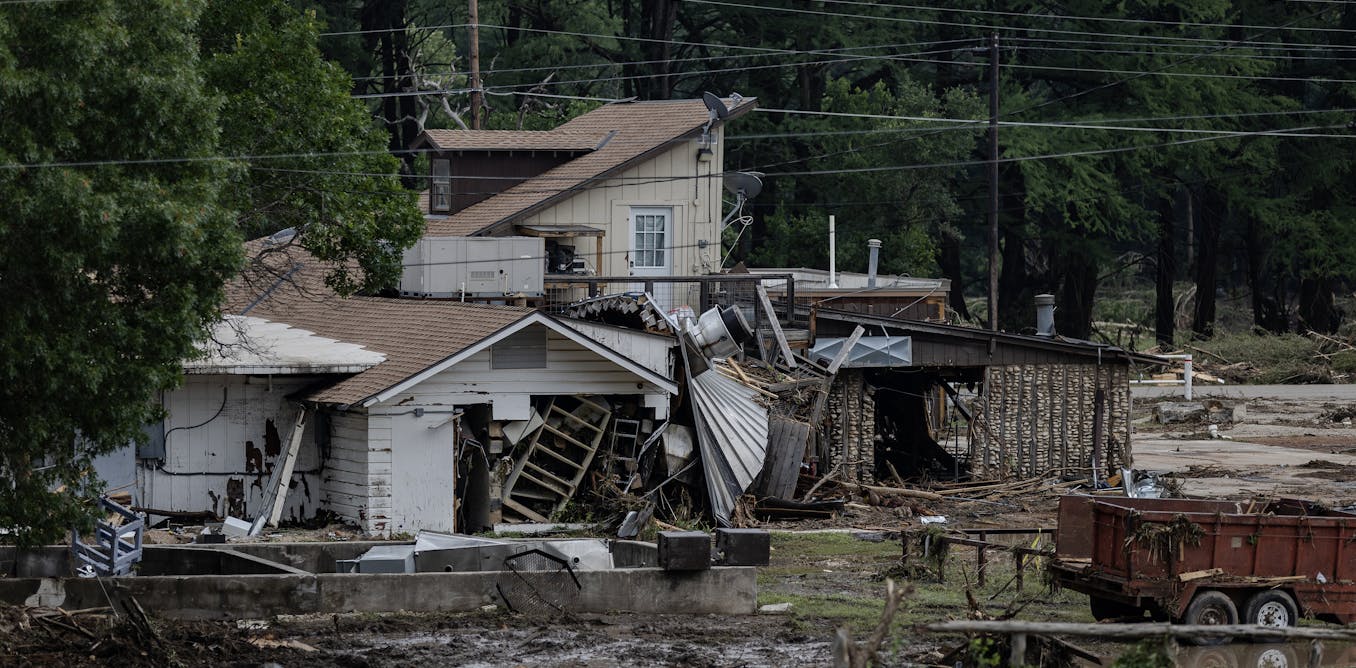
Alternatively, option two offers a comparable house in Texas, where the median home price is significantly lower at $353,700. Yet, this choice comes with the added risk of hurricanes and flooding.
According to an urban planning professor, this isn’t just a theoretical exercise. It’s a reality that millions of Americans grapple with as the housing crisis intersects with climate change. Our current handling of this issue leaves much to be desired.
The Migration Reality
Recent migration trends showcase the severity of the situation. California experienced a loss of 239,575 residents in 2024, marking the largest population decline among states. The exorbitant housing costs are a major factor, with California’s median home price more than double the national average.
Many of these departing residents are relocating to southern and western states such as Florida and Texas. Texas, being the top destination for former Californians, gained 85,267 new residents in 2024 largely due to domestic migration, driven by the allure of more affordable housing.
This shift isn’t just about escaping high taxes; it’s a direct result of housing affordability challenges. In June 2025, the income required to afford a mortgage on a mid-tier California home was approximately $237,000, which is over twice the state’s median household income.
In 2023, over 21 million renter households across the nation spent more than 30% of their income on housing, as reported by the U.S. Census Bureau. For these individuals, the financial math is straightforward, even if balancing risk is not.
This scenario raises concerns. The U.S. is effectively creating a situation where income levels determine exposure to climate risks. When affordable housing is scarce in safer areas, people often have no choice but to move to riskier locations, such as flood-prone areas in Houston or fire-vulnerable regions in California.
Weighing Climate Risks
Newcomers are moving to places that are far from safe havens. Data indicates that counties at high risk of wildfires in the U.S. saw a net influx of 63,365 people in 2023, many settling in Texas. Meanwhile, studies reveal that the most vulnerable communities — including low-income residents, people of color, and renters — face significant obstacles during disaster recovery.
Take the insurance crisis in these areas, for instance. Numerous insurers in states like Florida, Louisiana, and Texas have collapsed in recent years due to an inability to handle the rising claims from frequent and severe disasters. Economists Benjamin Keys and Philip Mulder have described the insurance situation in high-risk areas as “broken”. Between 2018 and 2023, insurance companies canceled nearly 2 million homeowner policies nationwide, a rate four times higher than usual.
Despite this, people continue to move to high-risk zones. Research indicates a trend of migration toward wildfire-prone areas, regardless of wealth and other factors. The allure of the natural beauty of these regions, along with housing affordability, plays a role in their appeal.
Policy Shortcomings
The issue extends beyond individual choices to systemic policy failures. California aims to build 2.5 million new homes by 2030, requiring an annual addition of over 350,000 units. However, in 2024, the state added only about 100,000, falling short of the target. Local government restrictions on housing development effectively price out working families and push them toward riskier areas.
Research on disaster recovery consistently shows how housing policies intersect with climate vulnerability. Communities with limited housing options before disasters see even fewer options afterward. “Resilience” is not a choice if resilient communities restrict affordable housing development.
Federal recognition of this issue is emerging, albeit slowly. In 2023, the Federal Emergency Management Agency urged communities to incorporate “social vulnerability” in disaster planning, acknowledging factors such as poverty and language barriers. However, the agency recently reversed this position as the 2025 hurricane season commenced.
The core of the problem lies in forcing individuals to choose between housing affordability and safety. Until policymakers address the systemic issues of housing scarcity in safe areas and inadequate protection in vulnerable ones, climate change will continue to dictate residential patterns — leaving many at risk when the next disaster strikes.