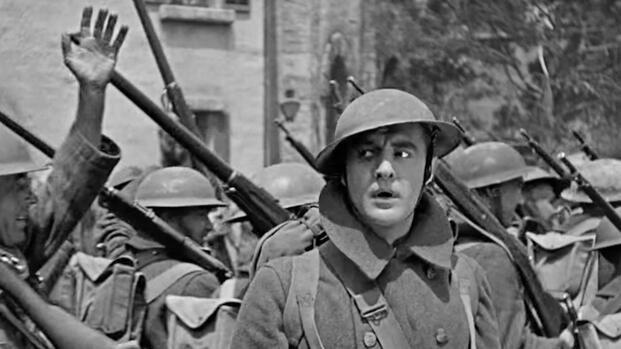
While modern audiences might not instantly recognize it, The Big Parade has left an indelible mark on the film industry, influencing how war stories are told. Released in 1925, this silent film directed by King Vidor and shaped by Marine veteran Laurence Stallings, delved into the stark realities of World War I, long before the term PTSD was coined.
The Impact of The Big Parade on Audiences and Critics
Upon its release, The Big Parade was not just another silent film; it was a national phenomenon. Millions flocked to theaters, and newspapers nationwide gave it front-page coverage. The film resonated deeply with World War I veterans who were grappling with their return to civilian life. It offered an unvarnished depiction of combat stress and disability, themes that would later become central to the portrayal of veterans in cinema.
The film’s narrative follows Jim Apperson, a young American who enlists in 1917, and his journey through the harrowing battlefields of France. This portrayal of an ‘average’ soldier, rather than a hero, was groundbreaking. MGM’s collaboration with the War Department brought authenticity to the battle scenes, with over 4,000 troops participating.
The Cinematic Legacy of The Big Parade
The film’s structure and themes have influenced countless war movies that followed. Its blend of humor, realism, and romance set a template for future films. The depiction of camaraderie among soldiers, the brutal reality of war, and the challenges of reintegration into civilian life became enduring themes in movies like Saving Private Ryan and Platoon.
Critics at the time were unanimous in their praise. The Macon Chronicle-Herald lauded it as “100 PER CENT PICTURE,” while the St. Louis Globe-Democrat highlighted its sincerity and technical clarity. The film’s ability to portray the emotional and physical toll of war without resorting to sentimentality was a significant achievement.
The Film’s Continued Relevance
The Big Parade remains a time capsule, capturing the essence of the post-war experience for veterans. It asks poignant questions about the visible and invisible scars of war, questions that resonate with military families even today. The film’s honest portrayal of these themes paved the way for more nuanced discussions about PTSD and military transition in cinema.
For those interested in the evolution of war films and their portrayal of veterans, The Big Parade is a must-watch. Its legacy endures, having taught Hollywood to portray the complexities of military service and the challenges of coming home.