Governor DeSantis’ Varied Approach to Special Elections Raises Questions
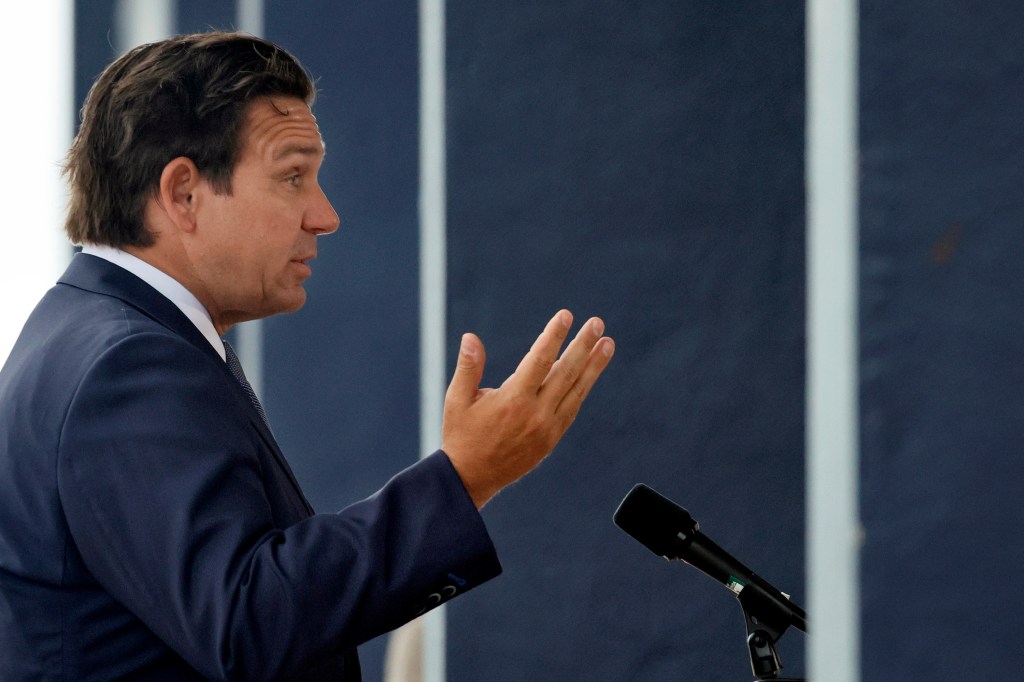
Governor Ron DeSantis has demonstrated varying responses when addressing legislative vacancies in Florida, leading to speculation over the motivations behind his decisions. The timing of special elections, which can differ significantly, appears to be influenced by the political leanings of the vacated district.
State law grants the governor discretion over when to announce special elections. This has resulted in varied timelines, with quicker actions often seen in Republican districts. In contrast, Democratic areas frequently experience delays. State Sen. Tina Polsky and state Rep. Michael Gottlieb, both Democrats, are pushing for legislation to establish more consistent timelines for these elections.
Typically, a Florida governor can fill many vacancies directly, except for legislative roles. For federal vacancies, the governor can appoint a senator temporarily, but U.S. House seats require a voter-elected replacement.
DeSantis’ delays, unprecedented compared to previous governors, often leave districts without representation for extended periods. Polsky remarked, “It’s terrible that we can’t count on special elections in a timely manner,” pointing to a lack of representation for constituents.
No Representation
One notable delay involves District 87 in Palm Beach County, a Republican-leaning district that includes President Donald Trump’s Mar-a-Lago. The district will be unrepresented for the entire 2026 legislative session due to DeSantis’ delay in setting a special election following the resignation of former state Rep. Mike Caruso on Aug. 18. The special primary is scheduled for Jan. 13, with the general election on March 24, after the session ends.
In contrast, DeSantis acted swiftly when Blaise Ingoglia resigned from the Florida Senate, setting election dates the very next day. Similarly, he quickly scheduled elections after the death of Democratic state Rep. Joe Casello, with voters electing Democrat Rob Long in a special election.
Democratic Districts
DeSantis often waits longer in Democratic districts. For example, after the death of Democratic U.S. Rep. Alcee Hastings in April 2021, the seat remained vacant for over nine months. This delay impacted the Democratic agenda in Washington, D.C.
Conversely, when Republican vacancies occurred, such as those of U.S. Reps. Matt Gaetz and Mike Waltz, election dates were set promptly, minimizing the period without representation and supporting the Republican agenda in Congress.
Break with Past
Analysis by the Harvard Election Law Clinic revealed that DeSantis’ delays are longer than those of his Republican predecessors. For instance, after Hastings’ death, the seat was vacant for 280 days, compared to a 154-day average for previous special elections.
Lawsuits
Lawsuits have frequently followed DeSantis’ delays, prompting quicker election date settings. In District 87, election dates were announced 17 days after a lawsuit was filed. Similar legal actions have occurred in other districts with delayed elections.
Legislation
To address these delays, Polsky and Gottlieb have introduced bills requiring governors to set election dates within 14 days of a vacancy. However, the legislation faces a significant hurdle, as DeSantis could veto it. Polsky acknowledged the challenge, stating, “It’s going to be tough to get enacted.”
Political writer Anthony Man can be reached at aman@sunsentinel.com and can be found @browardpolitics on Bluesky, Threads, Facebook, and Mastodon.