Michigan Bill Seeks to Limit Immigration Enforcement in Sensitive Locations
A recent bill proposed by a group of Democratic state Senators in Michigan aims to restrict immigration enforcement activities in what are considered “sensitive locations”. These areas include schools, hospitals, social service centers, and places of worship. The bill is supported by various faith leaders who testified in Senate hearings, emphasizing the importance of protecting their communities.
One key advocate of the bill, Bishop David Bard of the United Methodist Church, drew parallels to the biblical story of Jesus’ family seeking refuge in Egypt to escape persecution. Bard highlighted the significance of upholding values of welcoming immigrants while maintaining secure borders.
The proposed legislation seeks to reinstate federal guidelines introduced by former President Joe Biden, which designated certain places as “protected areas” with limited immigration enforcement presence. These guidelines were rescinded earlier this year by the Trump administration.
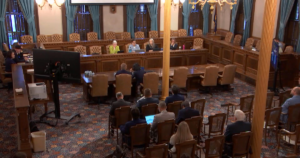
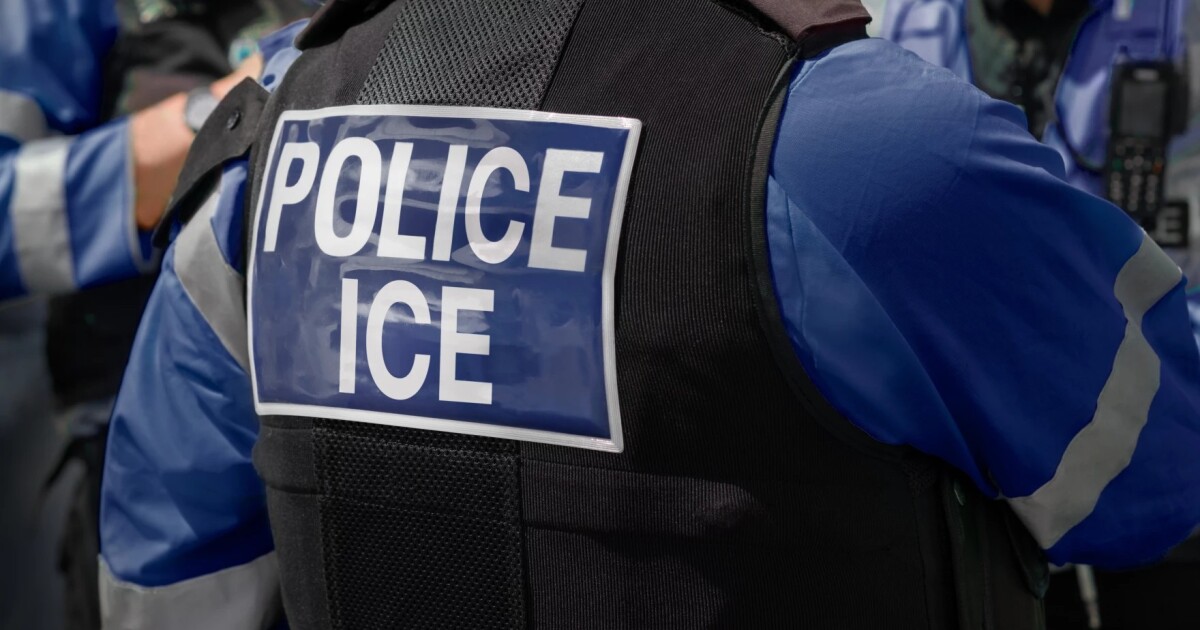
During Senate testimony, Senator Jim Runestad summarized the policy for Immigration and Customs Enforcement (ICE) officers entering sensitive locations. The policy requires officers to target specific individuals at these places and exercise discretion in their actions.
While immigration advocates in Michigan have not reported ICE activities in sensitive locations within the state, incidents have been documented in other parts of the country. Bishop Bonnie Perry of the Episcopal Diocese of Michigan shared her concerns about enforcement actions in daycare centers and referenced a recent incident in Chicago.
The bill reflects efforts to balance immigration enforcement with safeguarding vulnerable populations in places where they seek essential services and support. As the debate continues, lawmakers and advocates navigate the complex intersection of immigration policy, law enforcement discretion, and community safety.