The Evolution of Toys R Us: A Journey from Dominance to Revival
In the ever-evolving landscape of retail, few brands have experienced the tumultuous journey that Toys R Us has. Once a titan in the toy industry, the iconic chain has faced its share of challenges and is now making a cautious return. This article explores the significant milestones in the history of Toys R Us, from its inception to its latest revival efforts.
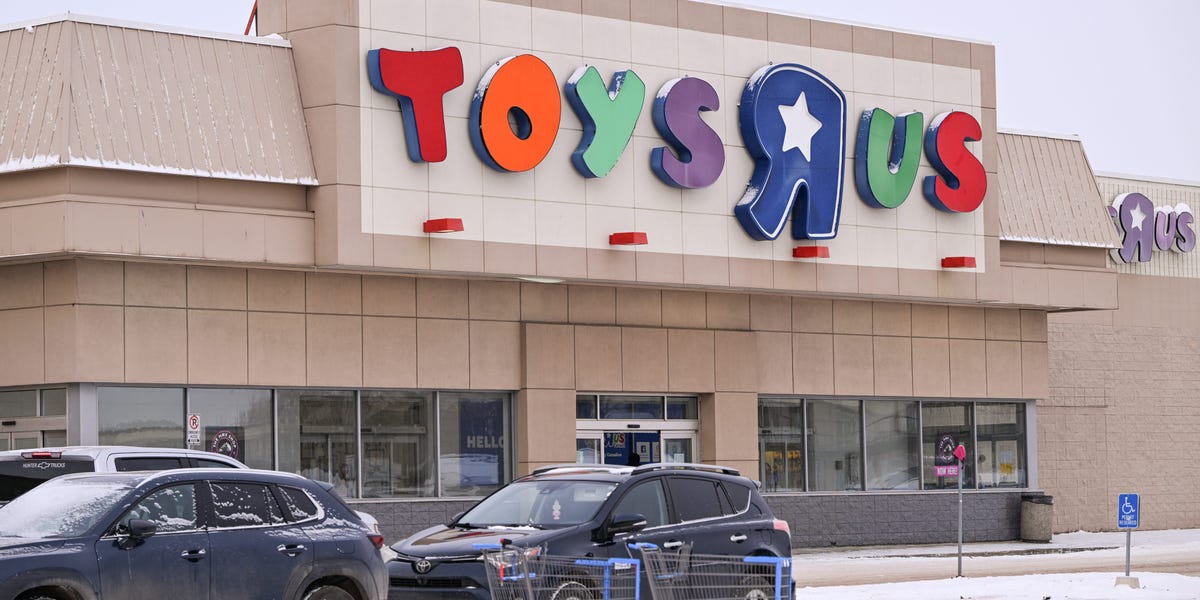
Toys R Us is experiencing another phase of resurgence. This holiday season, the brand made a comeback with pop-up stores in various US malls. These temporary outlets are part of a broader effort led by WHP and Go! Retail Group to revitalize the beloved toy store chain.
Originally, Toys R Us operated approximately 700 stores across the United States. However, financial difficulties led the company to file for Chapter 11 bankruptcy and subsequently liquidate and close its operations in 2018.
Since closing, Toys R Us has undergone numerous attempts at revival, including opening locations within Macy’s stores and forming a partnership with Amazon for online sales.
The Origins
The story of Toys R Us began in 1948, when Charles Lazarus returned from World War II and founded the company in Washington, D.C. Initially called Children’s Bargain Town, the store focused on baby goods and furniture before evolving into the toy retailer we know today. In 1957, the company officially adopted the name Toys R Us.
During the following decades, Toys R Us became a household name, playing a crucial role in popularizing iconic toys like Mr. Potato Head. Lazarus’s strategy of bulk purchasing allowed the company to secure favorable contracts, setting it apart from competitors.
Expansion and Challenges
In 1966, Charles Lazarus sold the company to Interstate Sales, facilitating a national expansion that saw the company thrive with $12 million in profits. A few years later, in 1969, Geoffrey the Giraffe emerged as the brand’s beloved mascot, becoming synonymous with its advertising campaigns.
By the 1990s, Toys R Us had expanded into major cities, boasting a flagship store in New York City complete with an indoor Ferris wheel. However, rising competition from big-box retailers like Walmart and Target began to take a toll. By 1998, Walmart had surpassed Toys R Us as the leading US toy seller.
Financial Struggles and Bankruptcy
Despite efforts to adapt to the changing retail landscape, including the acquisition of Etoys.com and Toys.com in 2009, Toys R Us struggled to compete with the e-commerce boom. The company’s financial woes culminated in a Chapter 11 bankruptcy filing in September 2017, with hopes of restructuring its debt while keeping its stores operational.
Unfortunately, these efforts fell short, and by March 2018, Toys R Us announced it would shut down all its US locations, affecting 33,000 employees. While the toy industry mourned the loss, competitors like Walmart seized the opportunity to fill the void left by Toys R Us.
Attempts at Revival
In 2019, Tru Kids Brands acquired the rights to Toys R Us, including Geoffrey the Giraffe, and began opening holiday pop-up stores. However, the resurgence was short-lived as the COVID-19 pandemic further impacted retail sales, leading to the closure of the last two US stores in 2021.
Despite these setbacks, Toys R Us has continued to seek a path forward. In 2022, the brand announced a partnership with Macy’s to open in-store shops, and in 2025, it launched pop-up shops for the holiday season under the operation of Go! Retail Group.
While the brand’s presence is now a shadow of its former self, the enduring legacy of Toys R Us remains evident in its determined efforts to reinvent itself in a rapidly changing retail environment.