Analyzing CDC’s Reduction of Routine Childhood Vaccines
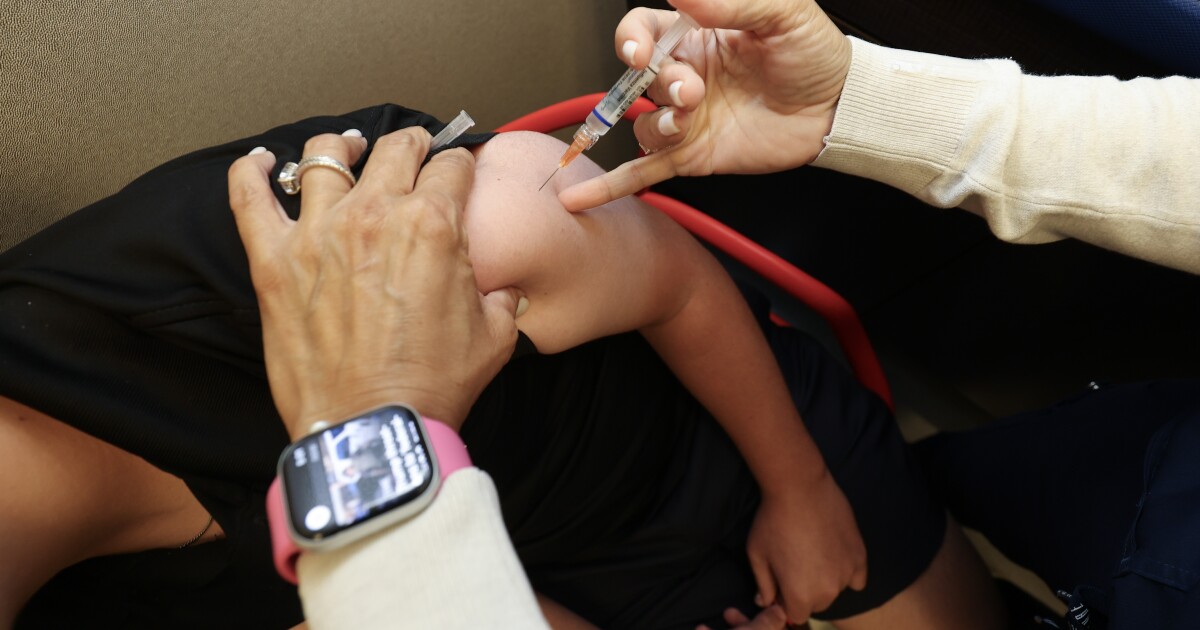
In a significant departure from the past, the Centers for Disease Control and Prevention (CDC) has decided to decrease the number of vaccines recommended for all children from 17 to 11. This change means that certain vaccines previously advised for all children, such as those for rotavirus, hepatitis A and B, meningitis, and seasonal flu, will now be recommended only for high-risk individuals or after consultation with a healthcare provider under “shared decision-making.”
Presidential Directive and Public Health Response
This move comes in response to a presidential memorandum that urged the Department of Health and Human Services and the CDC to align the U.S. childhood vaccine schedule with that of other developed nations. The CDC’s decision to revise the vaccine recommendations, including dropping the suggestion for all newborns to receive a hepatitis B vaccine on the day of birth, was informed by a comprehensive scientific assessment comparing U.S. policy to 20 other countries.
Expert Opinions and Public Concerns
While Health Secretary Robert F. Kennedy Jr. has long been critical of many childhood vaccines, the changes have sparked mixed reactions. Some experts, like epidemiologist Michael Osterholm from the Vaccine Integrity Project, have expressed concerns about the decision, calling it radical and dangerous. Others believe that the adjustments aim to strengthen transparency and informed consent while protecting children’s health.
Future Trials and Vaccine Access
Despite the modifications to the vaccine schedule, all vaccines remain available and free for those who need them, covered by insurance through shared clinical decision-making. Additionally, new placebo-controlled trials are being planned to investigate the timing and long-term effects of vaccines. These trials, already initiated at the CDC and soon to begin at the FDA and the National Institutes of Health, are expected to span a considerable duration and require substantial follow-up.
Sources: NPR, HHS, HHS Assessment, Vaccine Integrity Project