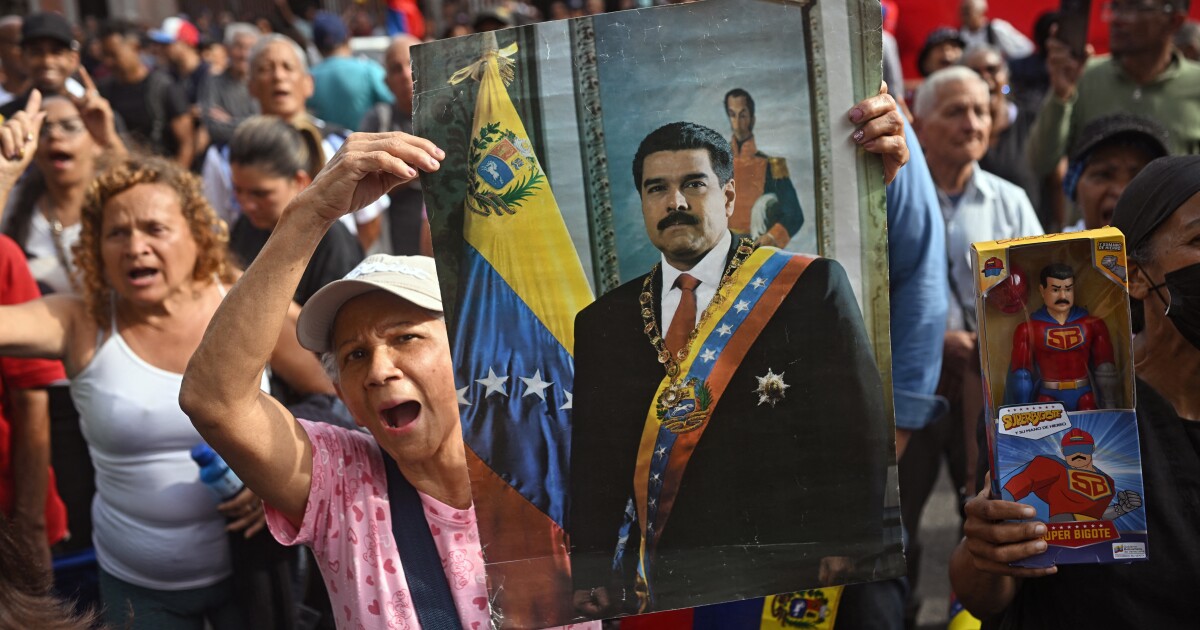
Maduro Pleads Not Guilty to Charges in U.S. Court Appearance
Former Venezuelan President Nicolás Maduro, who was recently ousted from power, made his first court appearance in Manhattan, New York, this week, where he pleaded not guilty to charges of narco-terrorism conspiracy, cocaine-importation conspiracy, and possession of and conspiracy to possess machine guns. His wife, Cilia Flores, who was also captured alongside him during a raid in Caracas, Venezuela, pleaded not guilty as well.
According to U.S. Attorney General Pam Bondi, Maduro and Flores are set to face “the full wrath of American justice on American soil in American courts” as the legal proceedings against them unfold. This marks the beginning of a potentially lengthy legal process involving pretrial motions, plea negotiations, and the possibility of a jury trial for the former authoritarian leader.
Legal Challenges Ahead
Legal experts anticipate that Maduro’s status as a former head of state will likely be a point of contention during the court proceedings. The defense team may argue that he cannot be held criminally responsible for actions he took while serving as Venezuela’s president.
Maduro’s defense attorney, Barry Joel Pollack, and Flores’ defense attorney, Mark Donnelly, are gearing up for the legal battle ahead. Donnelly expressed that they are eager to review and challenge the government’s evidence, highlighting that there is a challenging road ahead.
The U.S. ceased recognizing Maduro as Venezuela’s legitimate president in 2019 following a disputed election. The indictment against him alleges involvement in drug trafficking dating back to 1999, spanning his time in various government roles, including his presidency since 2013.
While the legal process unfolds, it is expected that Maduro’s defense team will vigorously defend against the charges brought against him, raising complex legal arguments in response to the allegations.
Legal Challenges Await Venezuelan Leader Maduro After U.S. Arrest
Following the surprise U.S. military operation that led to the arrest of Venezuelan President Nicolas Maduro, legal experts anticipate a series of challenges that could complicate the prosecution of the South American leader. Maduro, who was not extradited through the usual legal process, could leverage this unconventional arrest as a basis for legal objections. This scenario echoes past cases like the apprehension of Mexican cartel leader Ismael “El Mayo” Zambada, raising questions about the circumstances of his transfer to U.S. custody.
The Issue of Extradition and Legal Implications
In the realm of international law, the manner in which a foreign leader is brought to trial on U.S. soil can spark legal debates. For instance, the case of Manuel Noriega in the early 1990s challenged the notion of head-of-state immunity, setting a precedent for future prosecutions. Similarly, the arrest of Maduro without traditional extradition procedures might prompt legal wrangling over the validity of his detainment.
Former assistant U.S. attorney Adam Fels highlighted the potential legal hurdles, emphasizing the need for a robust defense strategy in response to the unique circumstances of Maduro’s arrest. While Maduro introduced himself as a “prisoner of war” during his initial court appearance, the legal intricacies of his case remain to be fully explored.
Classified Evidence and Trial Delays
The complexity of the case against Maduro extends to the handling of classified evidence, which could introduce delays in the pretrial phase. Legal expert Stansbury noted that sensitive information sourced from intelligence channels might need to be disclosed to ensure a fair legal process. The Classified Information Procedures Act (CIPA) governs the use of classified evidence in court, potentially prolonging the discovery phase as both sides navigate these legal requirements.
Plea Deal vs. Trial: Legal Pathways Ahead
As the legal proceedings unfold, the possibility of a plea deal looms over Maduro’s defense. While the Venezuelan leader has maintained his not guilty plea, the severity of the machine gun charges he faces may prompt considerations of a plea agreement. However, should negotiations falter, a trial remains a viable course of action, setting the stage for a legal showdown in the U.S. justice system.
Overall, Maduro’s arrest and the ensuing legal challenges underscore the complexities of prosecuting a foreign leader on American soil, with implications that could shape future cases involving international figures.
In a recent development, federal prosecutors are gearing up to build a case against Nicholas Maduro, the former president of Venezuela. This move comes after the United States government’s efforts to bring Maduro to justice. According to former federal prosecutor Fels, who played a key role in the successful prosecution of El Chapo in 2019, there is expected to be a substantial amount of evidence in this case as well.
Fels highlighted the importance of putting together the allegations against Maduro and proving them with witnesses and documents in a compelling manner that will resonate with a jury. This process involves meticulous preparation and potentially interviewing corroborating witnesses to strengthen the case.
The upcoming legal battle against Maduro signifies a significant milestone in holding high-profile individuals accountable for their alleged wrongdoings. As federal prosecutors delve into the task of preparing a solid case, the focus remains on presenting a compelling narrative backed by concrete evidence to secure a favorable outcome in court.